Frequently Asked Questions (FAQ)
Q1: What is the ABB DSDX 451 5716075-K used for?
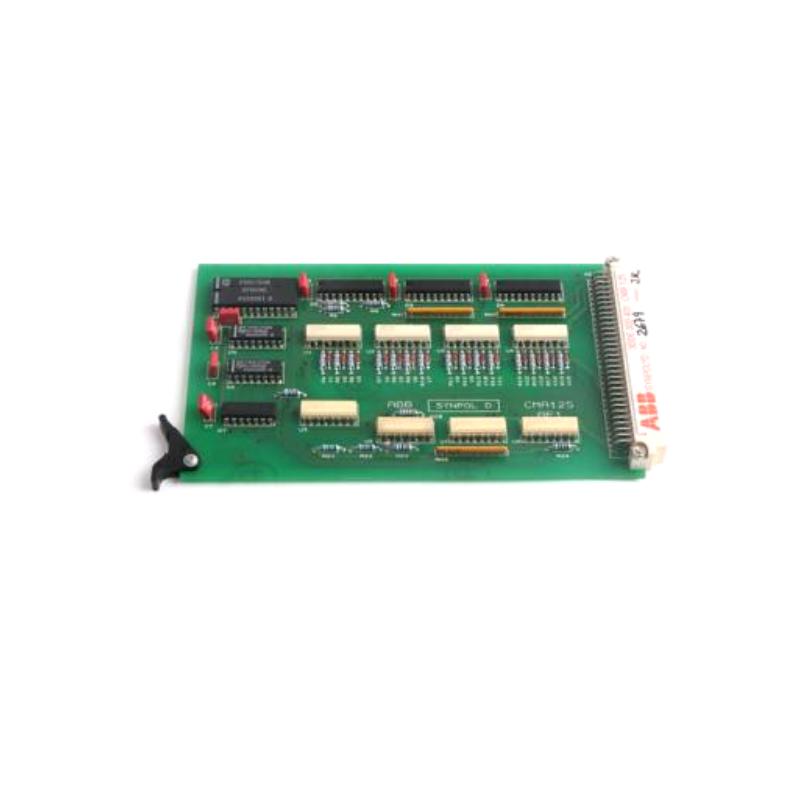
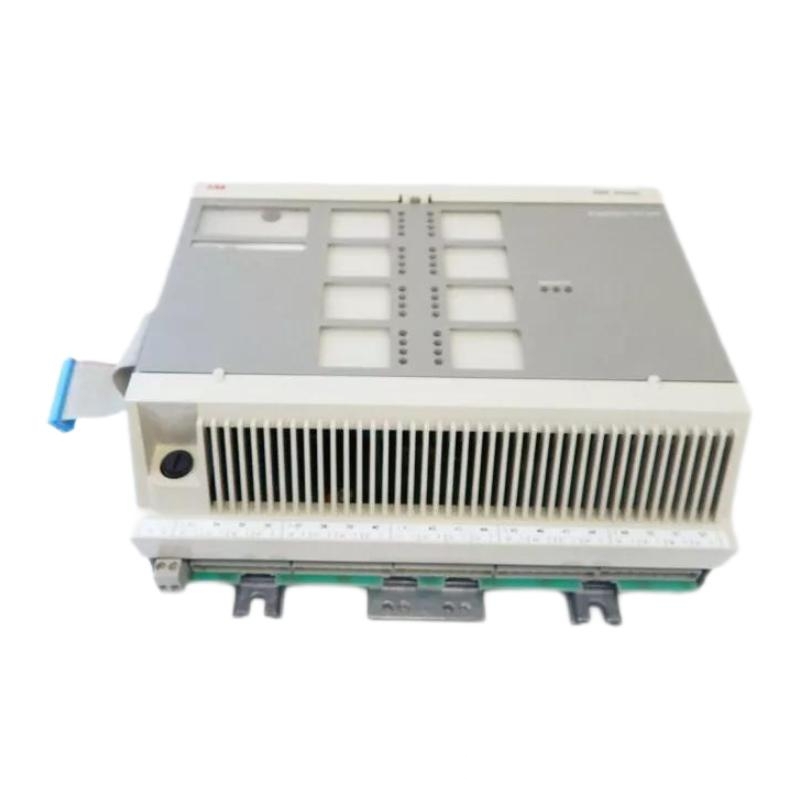
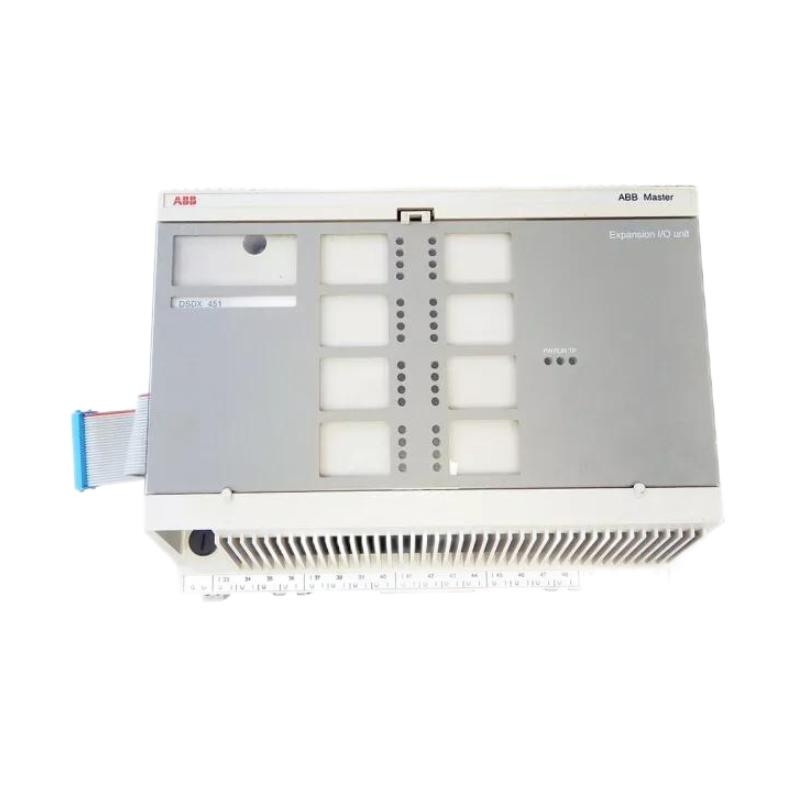
A1: The ABB DSDX 451 is a digital input/output module designed to provide seamless integration of field-level devices with ABB’s automation systems. It handles digital signal processing for applications where precision, reliability, and scalability are critical.
Q2: What types of digital signals does the module support?
A2: The DSDX 451 supports standard 24 V DC digital input and output signals. It is capable of handling a variety of discrete devices such as switches, sensors, indicators, and relay-driven actuators.
Q3: Which ABB systems is the DSDX 451 compatible with?
A3: It is primarily compatible with ABB Symphony and Advant series DCS platforms, as well as other control systems that use DS-series I/O components.
Q4: Can the module operate under harsh industrial environments?
A4: Yes, it is built with industrial-grade components and has a robust design capable of operating in demanding conditions including elevated temperatures, vibrations, and electromagnetic interference.
Q5: How is the DSDX 451 mounted?
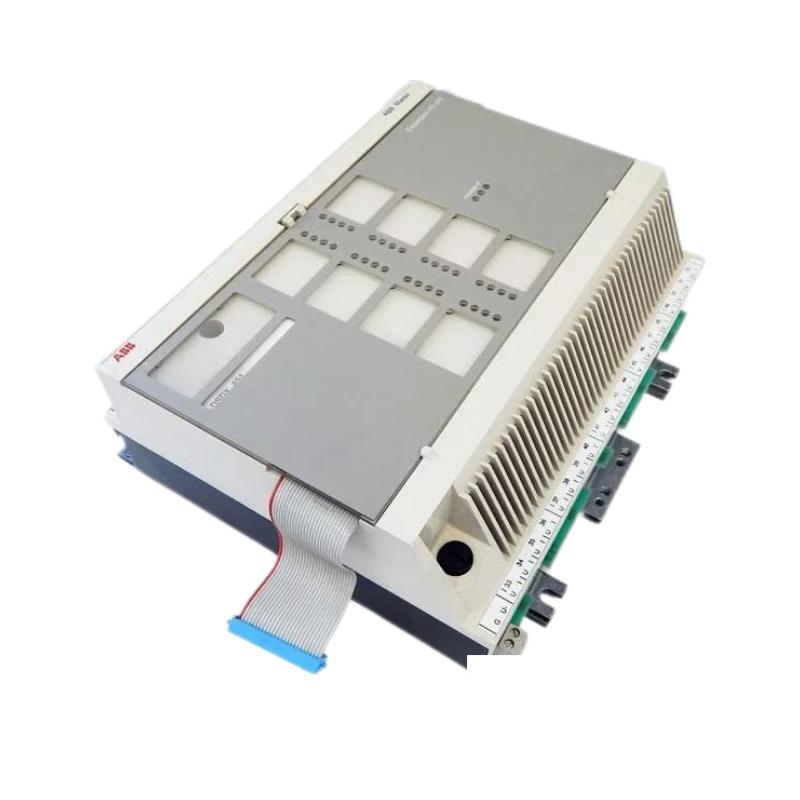
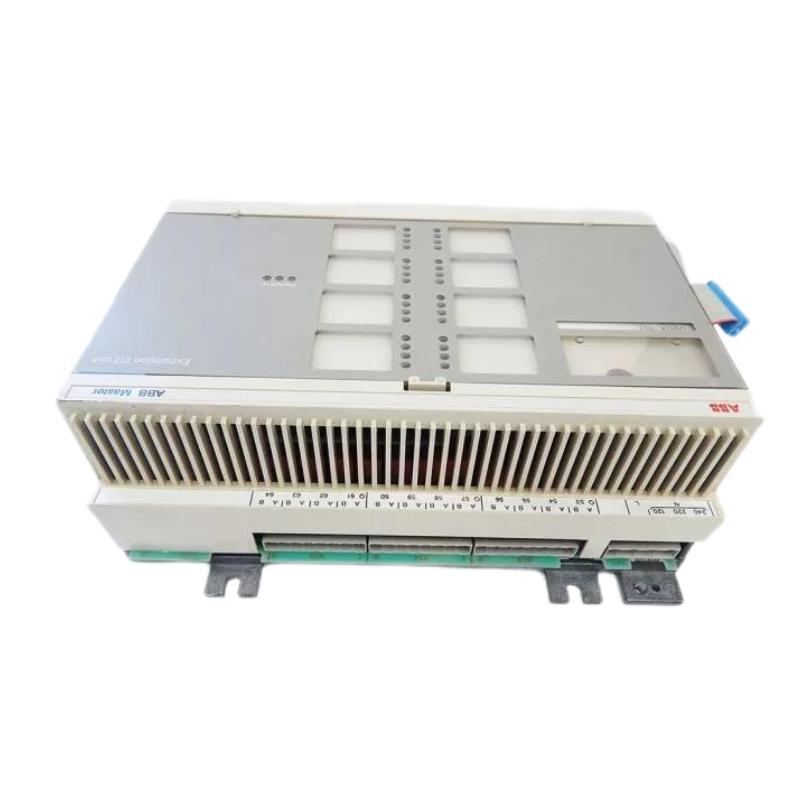
A5: The module is DIN rail mountable, offering easy installation within control panels and electrical cabinets. Its form factor allows for dense packing of modules without compromising accessibility.
Q6: What are the key physical specifications of the module?
A6: The module has dimensions of 216 x 180 x 94.5 mm and weighs approximately 2.9 kg. Its compact and durable housing is designed for industrial use.
Q7: Does it support hot-swapping?
A7: No, the DSDX 451 does not support hot-swapping. It should be installed or removed only when the system is powered down to avoid damage and ensure operator safety.
Q8: What wiring method is used for input/output connections?
A8: It uses plug-in terminal blocks with multi-position connectors, allowing fast and reliable wiring of digital I/O points without complex tooling.
Q9: Is the module software-configurable?
A9: Yes, the DSDX 451 can be configured via ABB’s automation engineering tools. Parameters such as input filtering, output behavior, and diagnostics are adjustable through system software.
Q10: What kind of diagnostic features does it include?
A10: The module provides LED indicators for input/output channel status and internal diagnostics. Fault conditions are flagged directly to the control system for proactive maintenance.
Related Products
Copyright @ 2026 Automations
XML|Links:
No:77501