Frequently Asked Questions (FAQ)
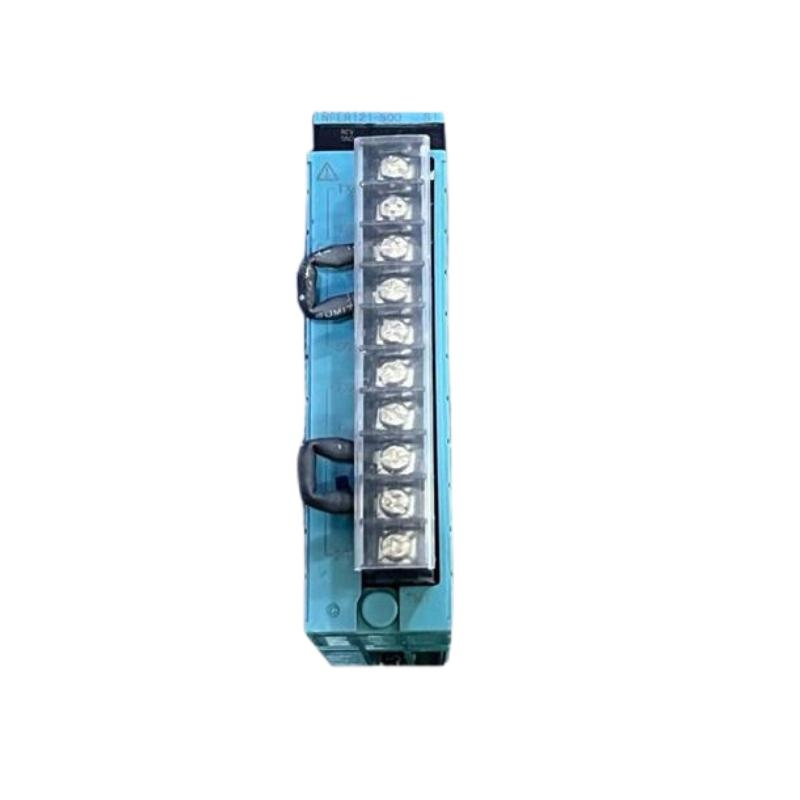
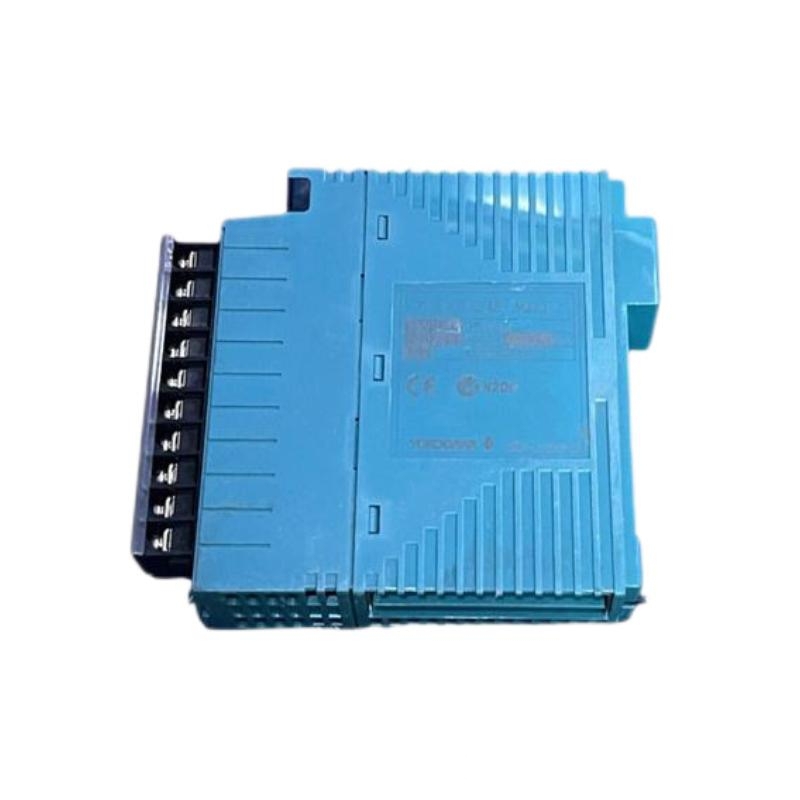
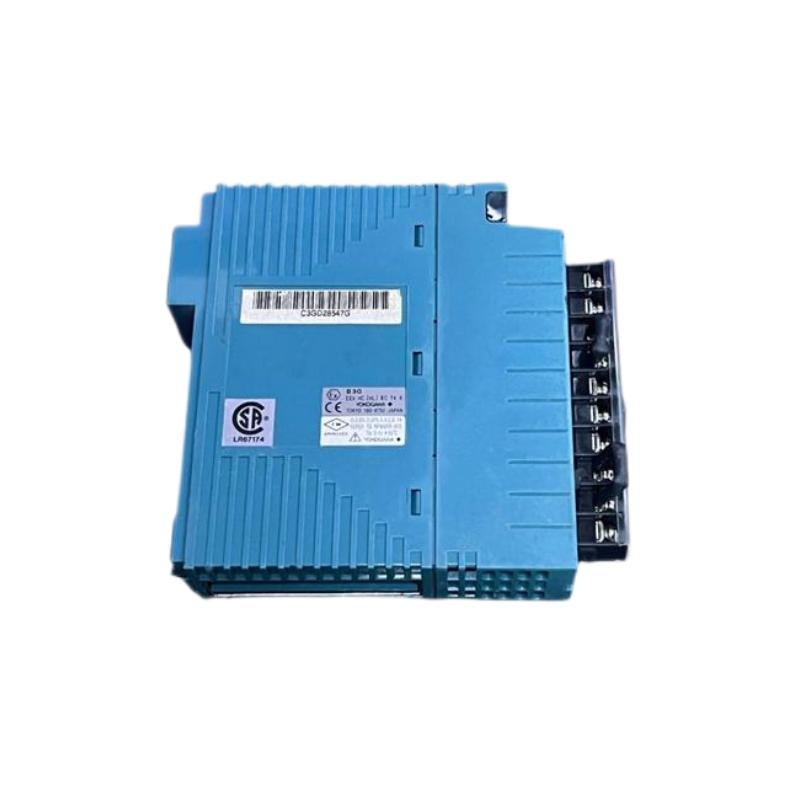
Q1: What is the main difference between NFLR121-S50 and NFLR121-S51?
A1: The NFLR121-S51 supports a wider range of baud rates and offers more flexible protocol customization options compared to the S50 model.
Q2: How many serial ports does the S51 model provide?
A2: It comes with two RS-485 ports that are electrically isolated to ensure stable communication.
Q3: Can I use this module in a hazardous industrial environment?
A3: While it is rugged, the NFLR121-S51 is not certified for use in explosive environments. Additional protective enclosures are recommended for such applications.
Q4: How do I configure communication settings like baud rate and parity?
A4: These parameters can be easily set using Yokogawa’s configuration software or via Modbus registers.
Q5: Does it support both master and slave Modbus roles?
A5: Yes, the module can be configured to function as either a Modbus master or slave, depending on system requirements.
Q6: What kind of electrical isolation does the module provide?
A6: It offers 1500V RMS optical isolation to protect against voltage spikes and signal interference.
Q7: What is the installation process like?
A7: The module is DIN rail mountable and can be installed quickly with standard industrial panel setups.
Q8: Is this module compatible with Yokogawa’s FA-M3 series PLCs?
A8: Absolutely. It is designed for seamless integration with FA-M3 and other Yokogawa automation platforms.
Q9: How does this module handle communication errors or dropouts?
A9: It includes built-in error detection, CRC checking, and configurable retry mechanisms for reliable data integrity.
Q10: Is firmware upgradeable in the field?
A10: Yes, firmware updates can be applied through a standard serial interface using Yokogawa’s maintenance tools.
Related Products
Copyright @ 2026 Automations
XML|Links:
No:77501