FAQs:
Q1: What communication protocols does the NDCO-03C support?
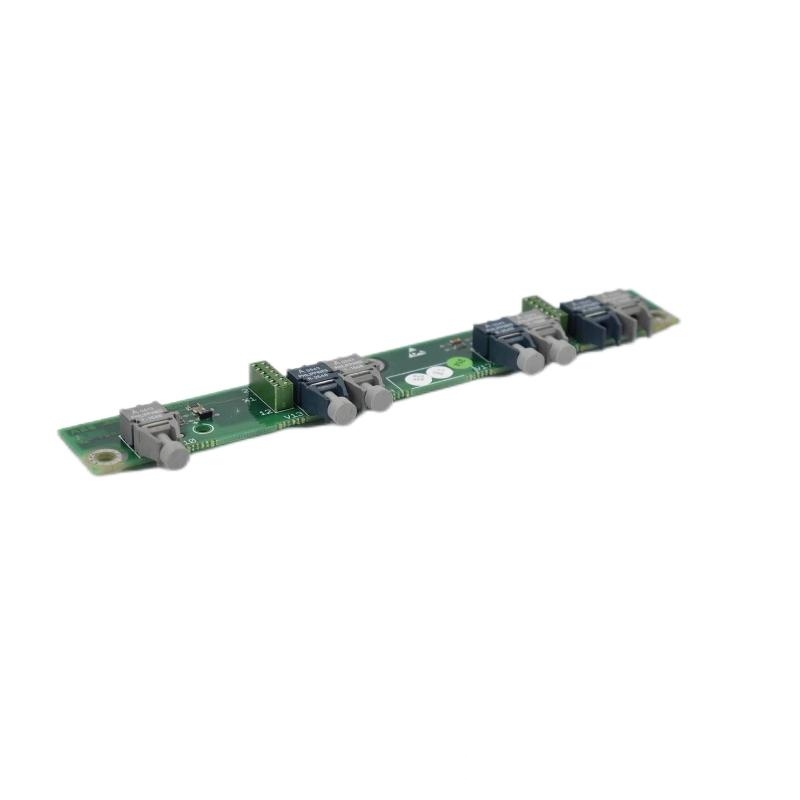
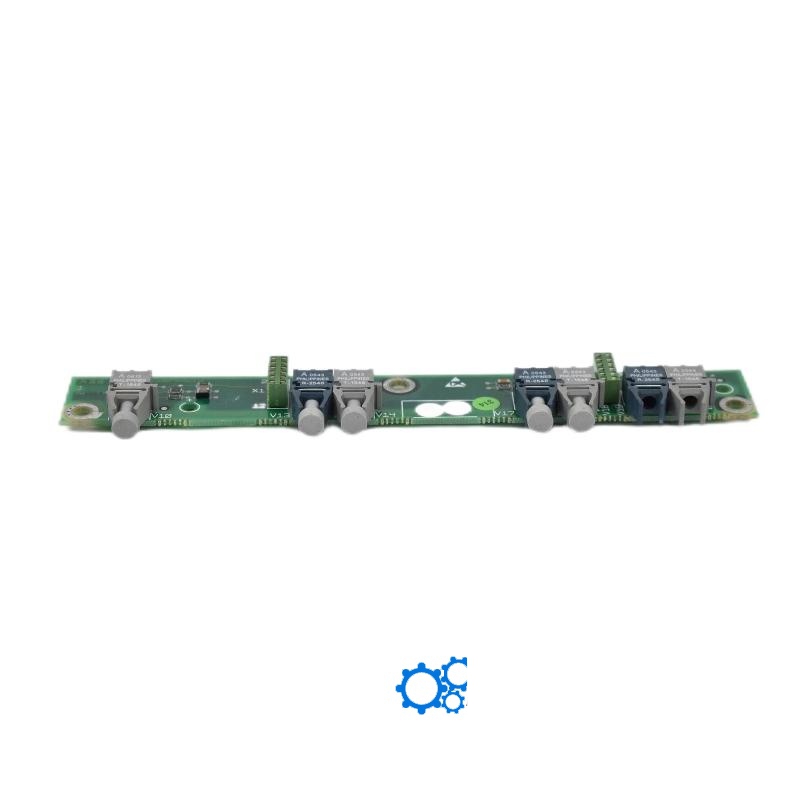
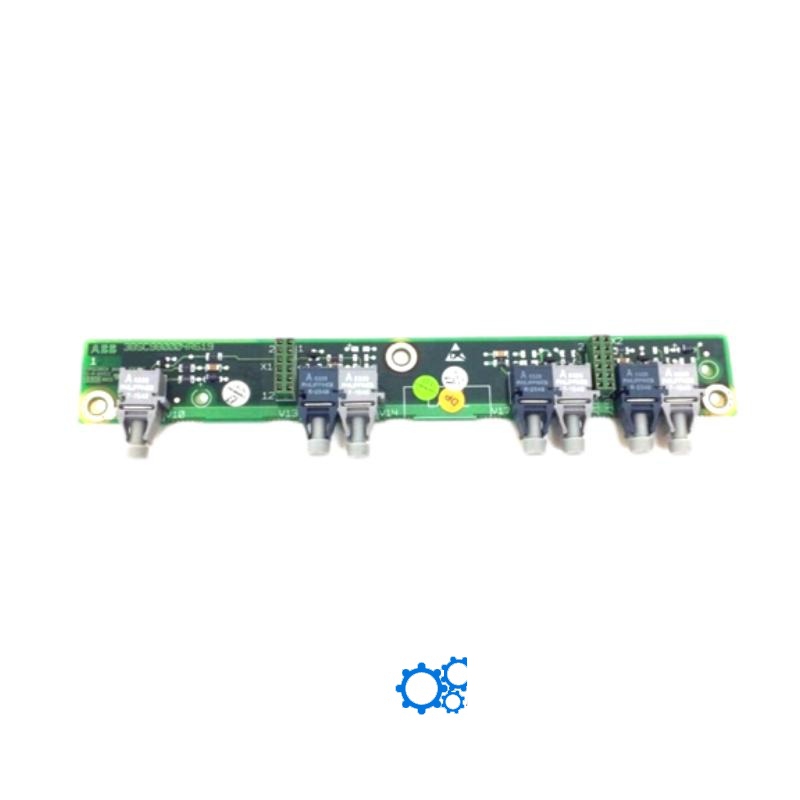
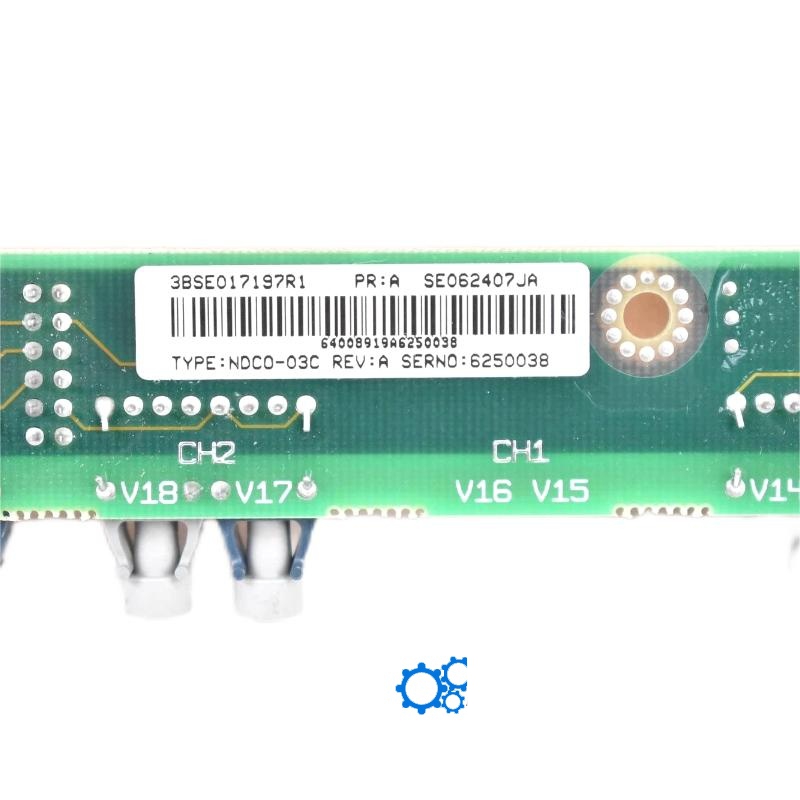
A1: The NDCO-03C supports Modbus RTU, Profibus DP, and EtherNet/IP protocols, making it versatile for a wide range of industrial applications.
Q2: Can the NDCO-03C be used in outdoor environments?
A2: The NDCO-03C is designed for indoor use and should be installed in environments with temperatures ranging from –10°C to +60°C and humidity levels between 5% and 95%, non-condensing.
Q3: How do I install the NDCO-03C?
A3: The NDCO-03C features DIN rail mounting, which makes it quick and easy to install in industrial control panels or enclosures.
Q4: What is the power consumption of the NDCO-03C?
A4: The power consumption is very low, at only 1.5 W, which helps minimize energy usage and operational costs.
Q5: What is the weight of the NDCO-03C?
A5: The NDCO-03C weighs just 0.018 kg, making it a lightweight and easy-to-handle component for installations.
Q6: What is the temperature range of the NDCO-03C?
A6: The NDCO-03C operates within a temperature range of –10°C to +60°C, which is suitable for most industrial environments.
Q7: Can the NDCO-03C be integrated into existing systems?
A7: Yes, the NDCO-03C is designed for easy integration into existing automation systems, providing communication between different devices and protocols.
Q8: Is there any software required to configure the NDCO-03C?
A8: The NDCO-03C can be configured via standard industrial control software that supports Modbus RTU, Profibus DP, or EtherNet/IP protocols.
Q9: What types of industrial systems can use the NDCO-03C?
A9: The NDCO-03C is suitable for a wide range of industrial systems, including automation, energy management, manufacturing, and infrastructure projects.
Q10: Is the NDCO-03C compatible with other ABB products?
A10: Yes, the NDCO-03C is designed to work seamlessly with other ABB automation products, providing reliable communication within ABB-based systems.
Related Products
Copyright @ 2026 Automations
XML|Links:
No:77501