FAQ (Q&A)
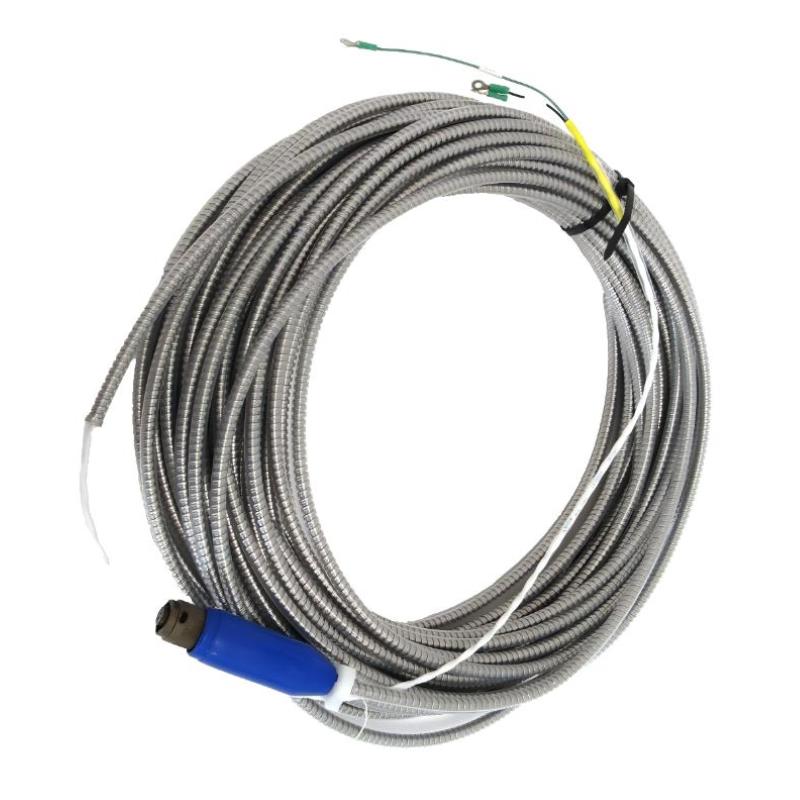
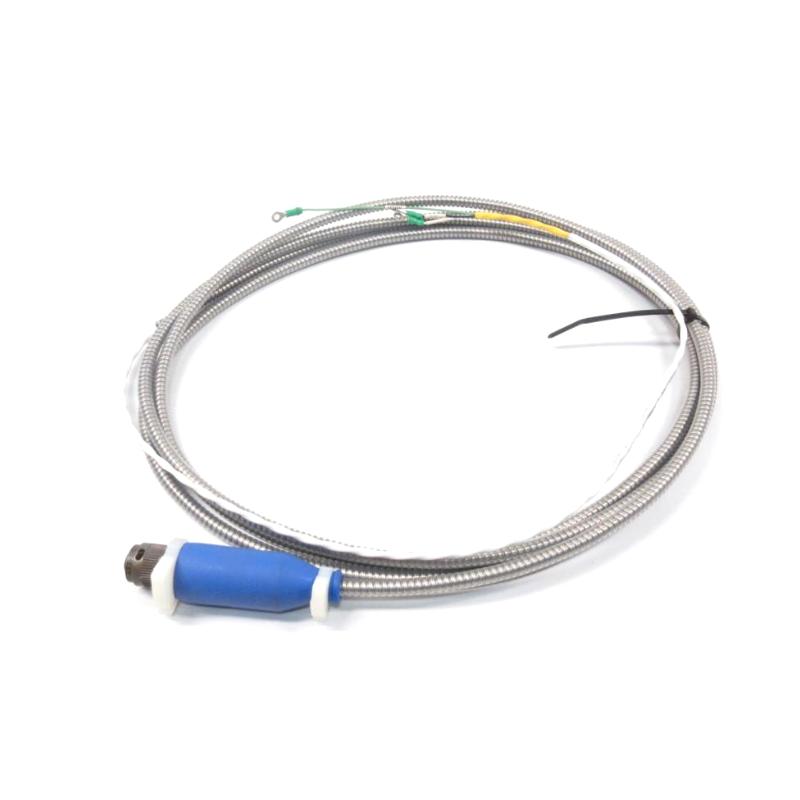
Q1: What is the purpose of the Epro PR6424/000-140+CON021 sensor?
A1: This sensor is designed for non-contact measurement of shaft displacement and vibration in rotating machinery. It is commonly used for condition monitoring in turbines, compressors, and pumps.
Q2: What types of targets or surfaces can this sensor detect?
A2: It works best with metallic targets, particularly ferromagnetic and conductive materials like steel, which are standard in industrial applications.
Q3: What is the standard measuring range of this sensor model?
A3: The typical measuring range for the PR6424/000-140 model is from 0.2 mm up to 8 mm, providing precise proximity data.
Q4: How accurate is the PR6424/000-140+CON021 in operation?
A4: The sensor provides high accuracy, typically within ±0.1% of the full-scale measuring range, making it ideal for sensitive monitoring tasks.
Q5: What type of signal output does the sensor deliver?
A5: Depending on the system configuration, it offers either analog voltage (0–10 V) or current (4–20 mA) outputs for integration with monitoring systems.
Q6: What is the recommended installation environment for this sensor?
A6: It is built for industrial environments with dust, oil, and vibration. Its IP67 rating allows it to function reliably even in harsh or semi-exposed areas.
Q7: Can this sensor be used in high-temperature settings?
A7: Yes, the sensor is rated for operation in environments ranging from –25°C to +85°C, making it suitable for most industrial applications.
Q8: What equipment is this sensor typically used with?
A8: It is often used with condition monitoring systems, such as Epro’s CON series monitoring modules, and can be connected to PLCs or DCS systems.
Q9: Is the sensor compatible with older monitoring systems?
A9: Yes, Epro ensures backward compatibility with many legacy systems, provided the connector type (like CON021) is correctly matched.
Q10: What is the typical maintenance requirement for this sensor?
A10: These sensors are designed for long-term reliability with minimal maintenance. Periodic inspections for dirt buildup and secure mounting are usually sufficient.
Related Products
Copyright @ 2026 Automations
XML|Links:
No:77501