FAQ
Q1: What is the purpose of the Yokogawa ADV169 module?
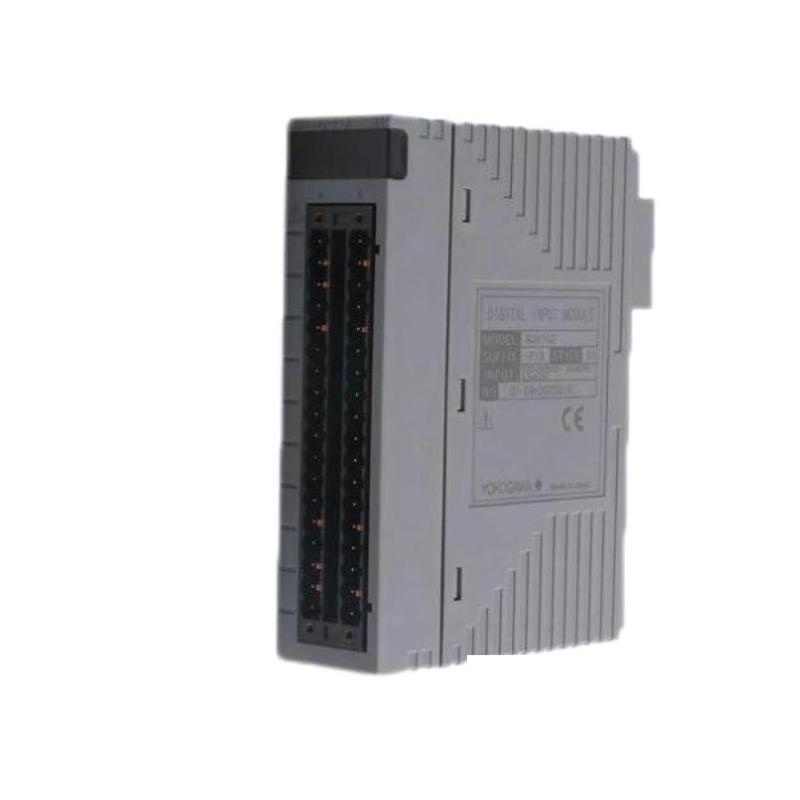
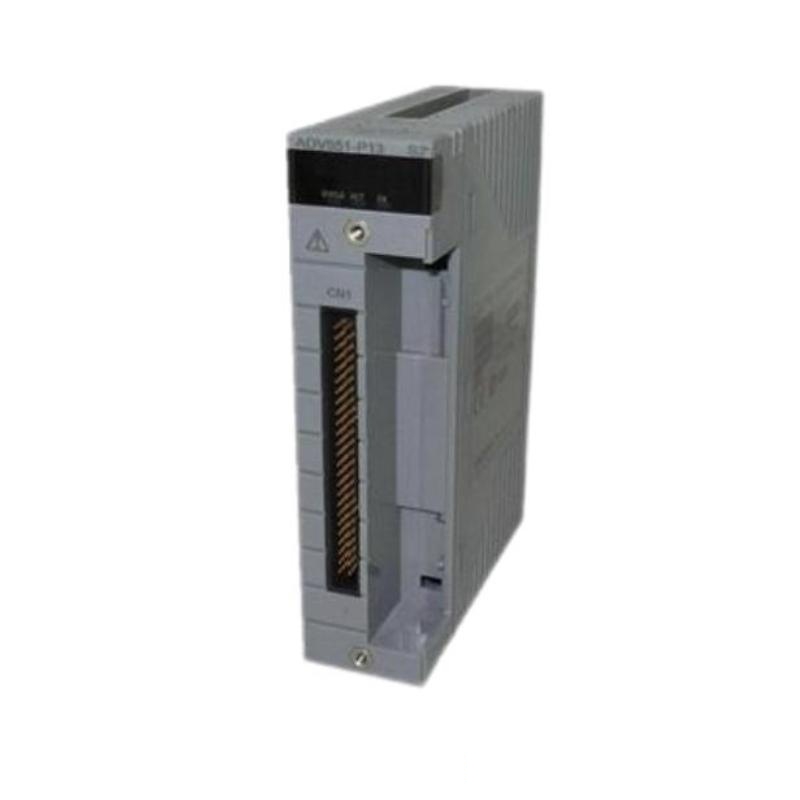
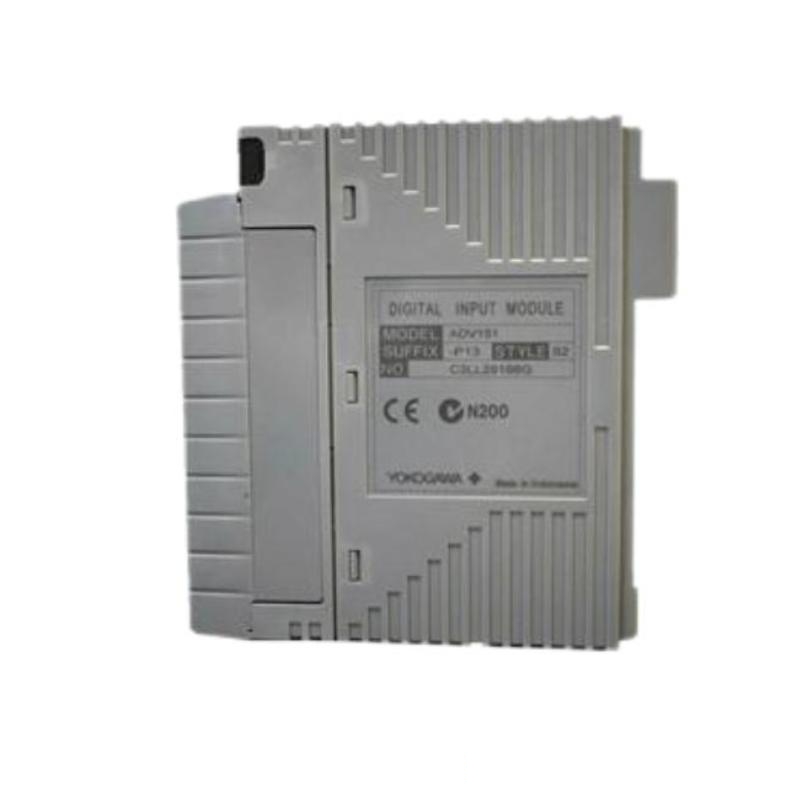
A1: The Yokogawa ADV169 is a digital input module designed to convert signals from field devices, such as switches and sensors, into digital signals for processing in industrial control systems.
Q2: How many input channels does the ADV169 have?
A2: The ADV169 module has 16 input channels, allowing for multiple devices to be connected for signal processing.
Q3: What is the input voltage for the ADV169 module?
A3: The ADV169 operates with a 24 VDC input, which is standard for many industrial automation systems.
Q4: What is the isolation voltage for the ADV169 module?
A4: The ADV169 provides 1500 VDC isolation between input channels and the system, which protects the system from electrical surges.
Q5: How does the ADV169 help with signal integrity?
A5: The ADV169 has isolated inputs, which prevent interference and ensure that signals from field devices are transmitted accurately to the control system.
Q6: What is the temperature range for the Yokogawa ADV169?
A6: The ADV169 can operate in temperatures ranging from -20°C to +60°C, making it suitable for a wide range of industrial environments.
Q7: Is the ADV169 easy to install?
A7: Yes, the ADV169 is designed for DIN rail mounting, making installation quick and easy.
Q8: What is the power consumption of the ADV169?
A8: The ADV169 is designed with low power consumption in mind, ensuring that it is energy-efficient and cost-effective.
Q9: What kind of devices can be connected to the ADV169?
A9: The ADV169 is suitable for connection to dry contact devices such as switches, relays, and sensors.
Q10: How can the ADV169 improve system safety?
A10: The ADV169 module’s isolation feature helps protect the control system from electrical faults, grounding issues, and surges, ensuring the safety of the overall system.
Related Products
Copyright @ 2026 Automations
XML|Links:
No:77501