FAQ (10 Questions and Answers)
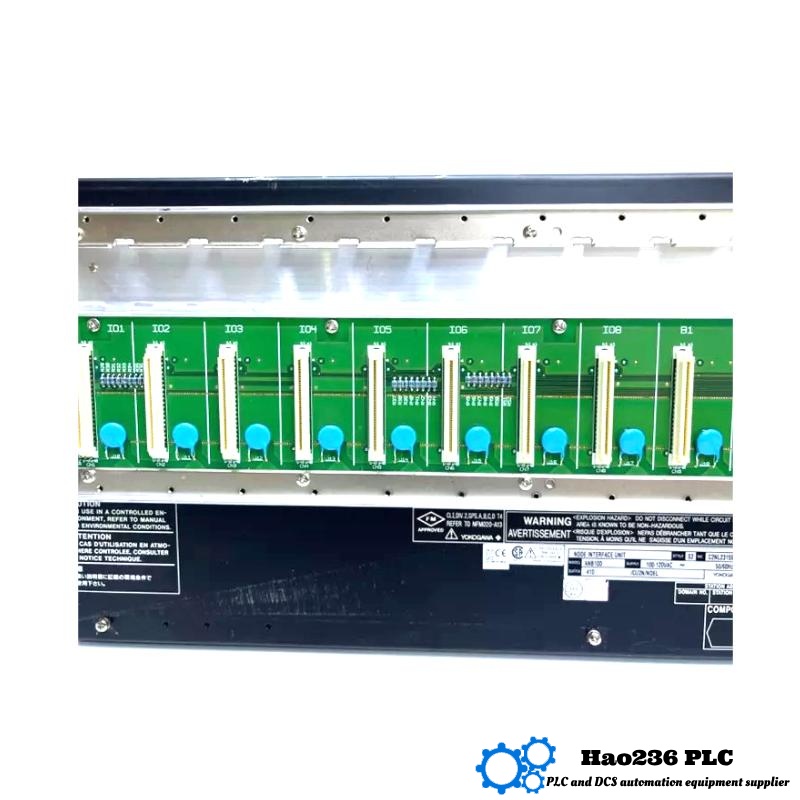
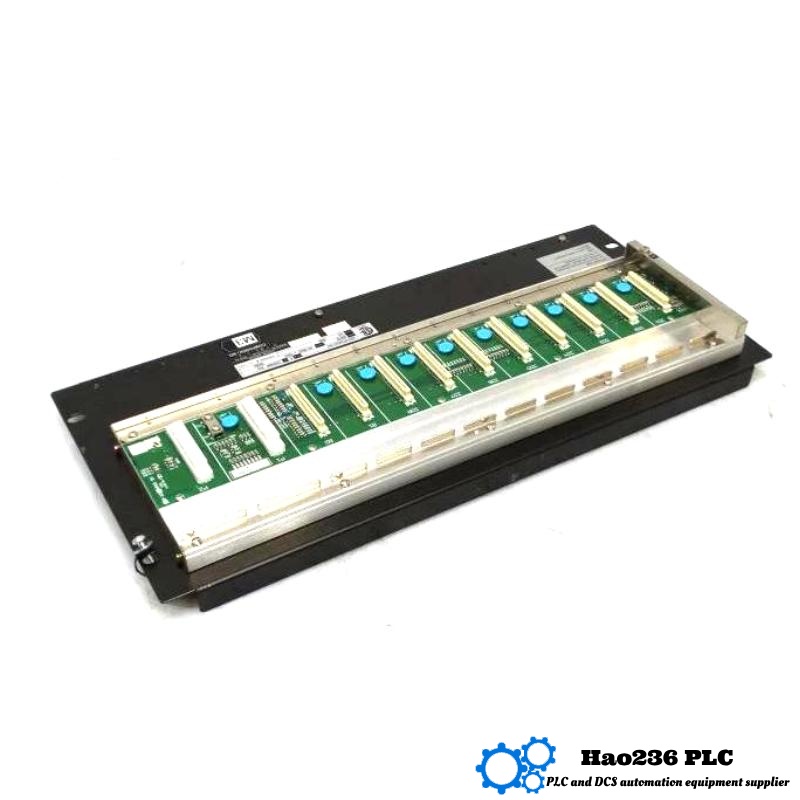
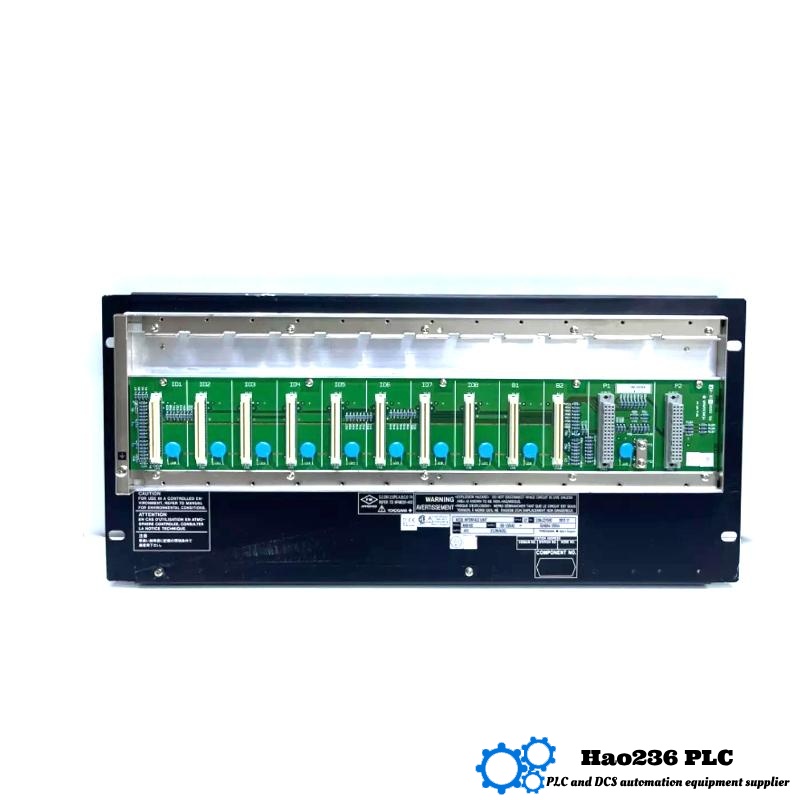
Q1: What is the primary function of the Yokogawa ANB10D-410 S2 ESB Node Unit?
A1: The ANB10D-410 S2 serves as an interface between field devices and control systems, facilitating high-speed data exchange via the ESB bus in industrial automation systems.
Q2: How many I/O modules can be supported by the ANB10D-410 S2?
A2: The unit supports up to 32 I/O modules, making it ideal for large-scale automation systems.
Q3: What is the operating temperature range of the unit?
A3: The ANB10D-410 S2 can operate in temperatures ranging from -20°C to +60°C, ensuring its suitability in various industrial environments.
Q4: How is the ANB10D-410 S2 mounted?
A4: The unit can be mounted in rack or panel configurations, providing flexibility in installation.
Q5: What is the weight of the ANB10D-410 S2?
A5: The unit weighs 10 kg, offering a robust yet compact design for industrial installations.
Q6: What power supply is required for the ANB10D-410 S2?
A6: The unit operates on a 24 V DC (Nominal) power supply.
Q7: What communication protocol does the ANB10D-410 S2 use?
A7: The unit uses the ESB (Enhanced Standard Bus) communication protocol, which provides high-speed and stable communication between field devices and the control system.
Q8: Does the unit comply with industry standards?
A8: Yes, the ANB10D-410 S2 is CE, UL, and IEC 61508 certified, meeting global safety and quality standards.
Q9: Can the ANB10D-410 S2 be used in hazardous environments?
A9: Yes, the unit is designed for use in harsh industrial environments and can operate in temperatures as low as -20°C and as high as +60°C.
Q10: What are the dimensions of the ANB10D-410 S2?
A10: The unit has dimensions of 482.6 × 221.5 × 205 mm, which makes it suitable for standard industrial control panel racks.
Related Products
Copyright @ 2026 Automations
XML|Links:
No:77501