10 FAQs – Q&A Format
Q1: What is the function of the GCC960C103 module?
A1: It may serve either as a high-efficiency rectifier module (–42 to –58 V DC outputs) or as a compact digital input/control module, depending on configuration.
Q2: Where is it typically deployed?
A2: In power systems (battery backup, rectifier racks), or in control automation environments like machine tools, printing, packaging, robotics.
Q3: What makes it efficient?
A3: The rectifier version achieves high electrical efficiency (typically ≥ 92%) even while supplying high currents (~120 A).
Q4: What are its remote monitoring capabilities?
A4: It supports health/status feedback and fault alarms, aiding proactive maintenance.
Q5: What input types are supported in the digital module variant?
A5: Voltage, current, and dry-contact signals, with up to 16 channels handled and Modbus RTU communication.
Q6: What are its temperature tolerances?
A6: It operates reliably between –20 °C and +70 °C, with storage down to –40 °C and up to +85 °C.
Q7: How heavy is the module?
A7: The compact unit weighs around 1 kg; the larger full system rack can weigh around 12.5 kg.
Q8: What physical form factors are used?
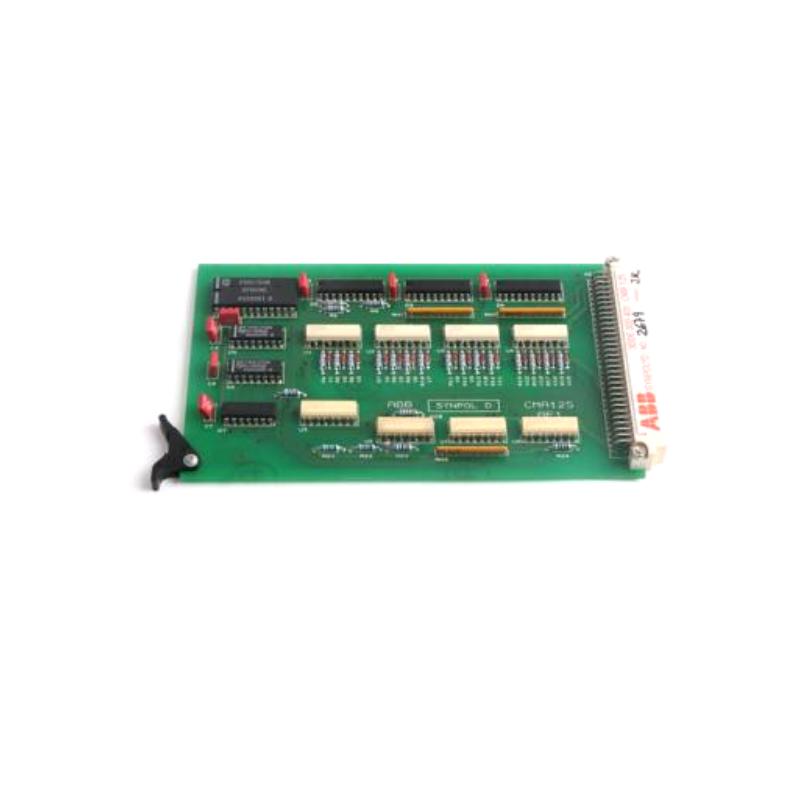
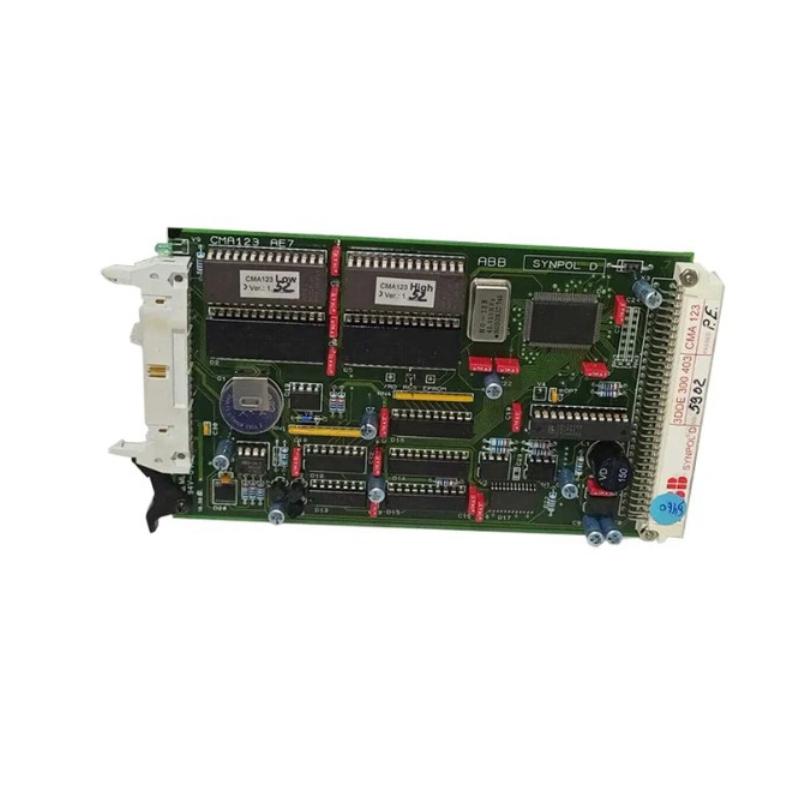
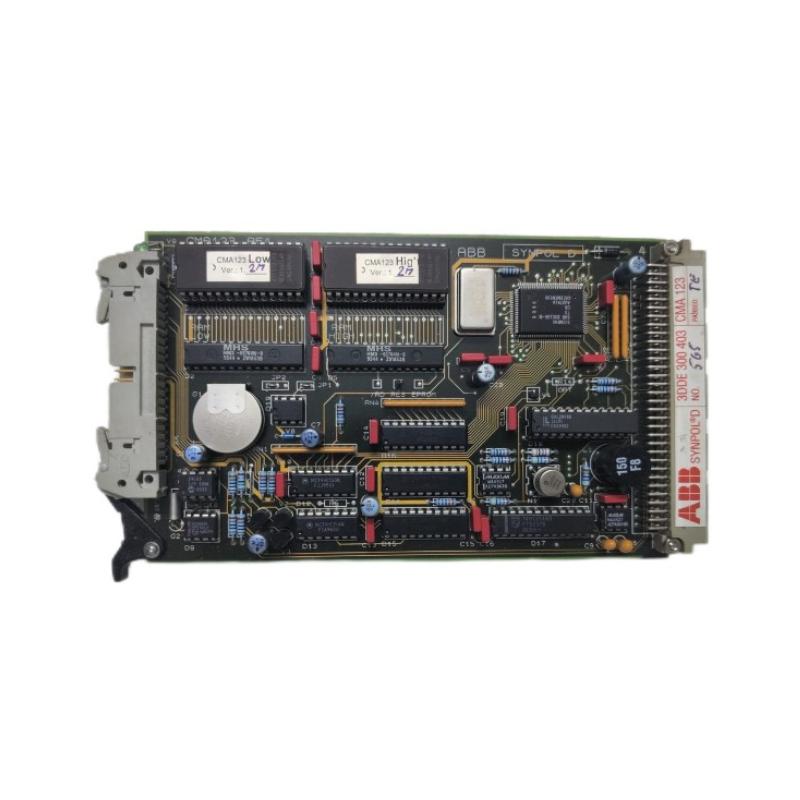
A8: Small PCB modules (~220×100×50 mm) or larger framed rectifier racks (~1500×600×630 mm).
Q9: What industrial systems is this part compatible with?
A9: ABB DCS, ACS2000 drive systems, servo-based axes, and compact logic modules in automation networks.
Q10: How does it contribute to system reliability?
A10: By combining efficient power conversion with fault monitoring or robust I/O processing, it boosts uptime and simplifies maintenance.
Related Products
Copyright @ 2026 Automations
XML|Links:
No:77501