❓ FREQUENTLY ASKED QUESTIONS (Q&A)
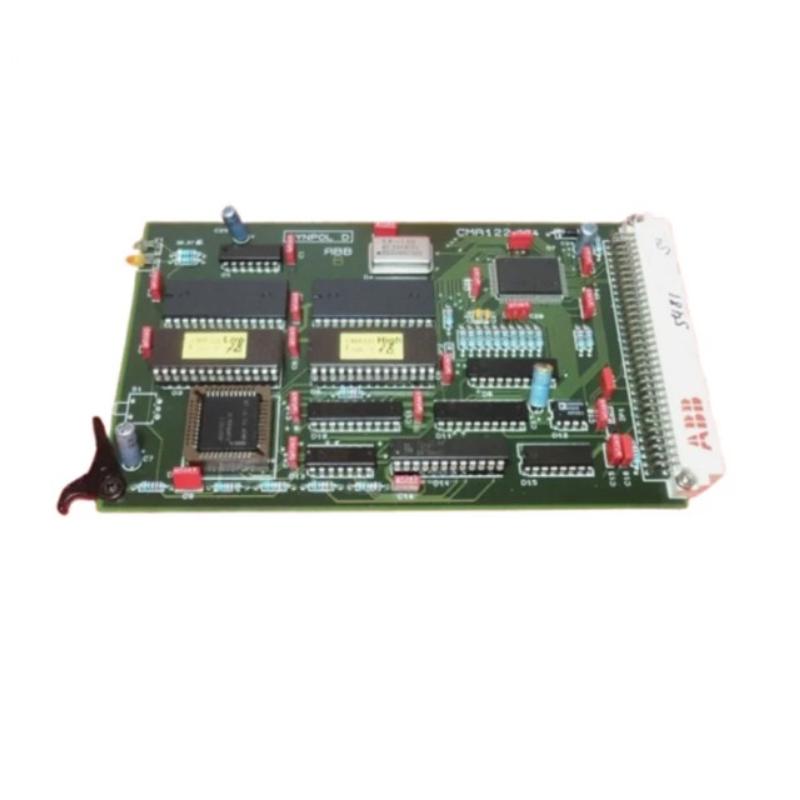
Q1: What is the main role of the UDC920BE01 module?
A1: It acts as the central processing unit within a drive system, executing control logic and managing communication between system components.
Q2: Is this model compatible with other UDC920 modules?
A2: Yes, it is designed to integrate seamlessly with other modules in the UDC920 family and supports plug-and-play architecture.
Q3: How is this board typically installed?
A3: It is mounted into a backplane slot within the drive cabinet or control rack, secured with locking clips or screws.
Q4: What communication protocols are supported?
A4: It supports RS-485, CAN, and fiber optic links for reliable and fast communication in industrial networks.
Q5: Can firmware updates be applied in the field?
A5: Yes, firmware updates can be applied via standard communication ports, without removing the board from the system.
Q6: What is the expected service life of the UDC920BE01?
A6: With proper environmental conditions, it is rated for over 10 years of continuous operation.
Q7: How does it handle system faults or failures?
A7: The board has built-in diagnostics and can issue warnings or fault codes to the main drive display or connected systems.
Q8: Is it suitable for high-vibration environments?
A8: Yes, it’s built with shock and vibration-resistant components and conforms to industrial mechanical standards.
Q9: Does it require external cooling?
A9: Generally, no external cooling is required as it uses passive convection, though adequate cabinet airflow is recommended.
Q10: What makes this model superior to older control units?
A10: It offers faster processing, improved reliability, greater communication support, and better system integration compared to older generations.
Related Products
Copyright @ 2026 Automations
XML|Links:
No:77501