-
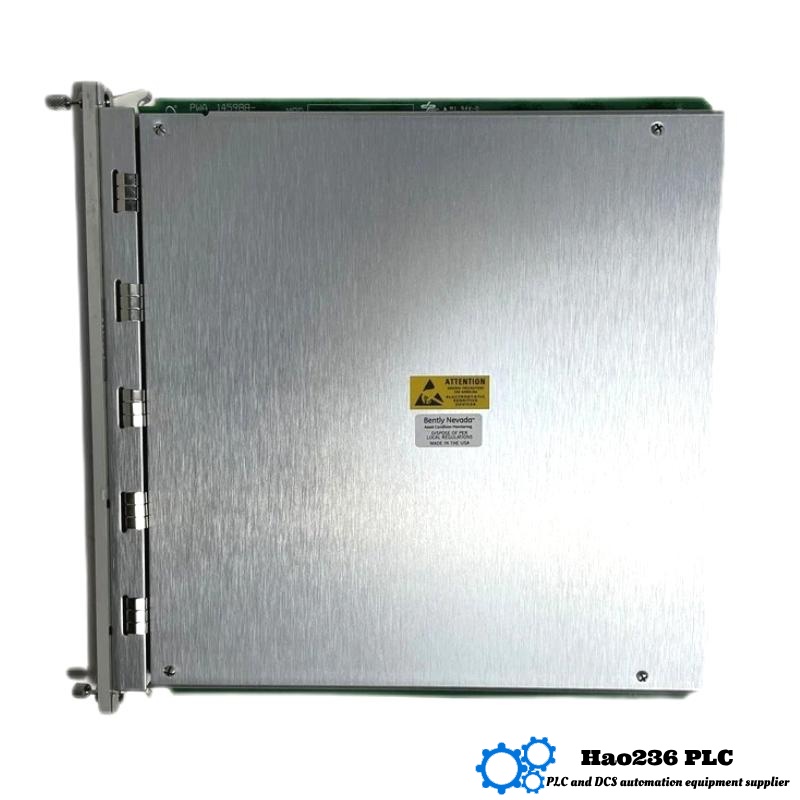
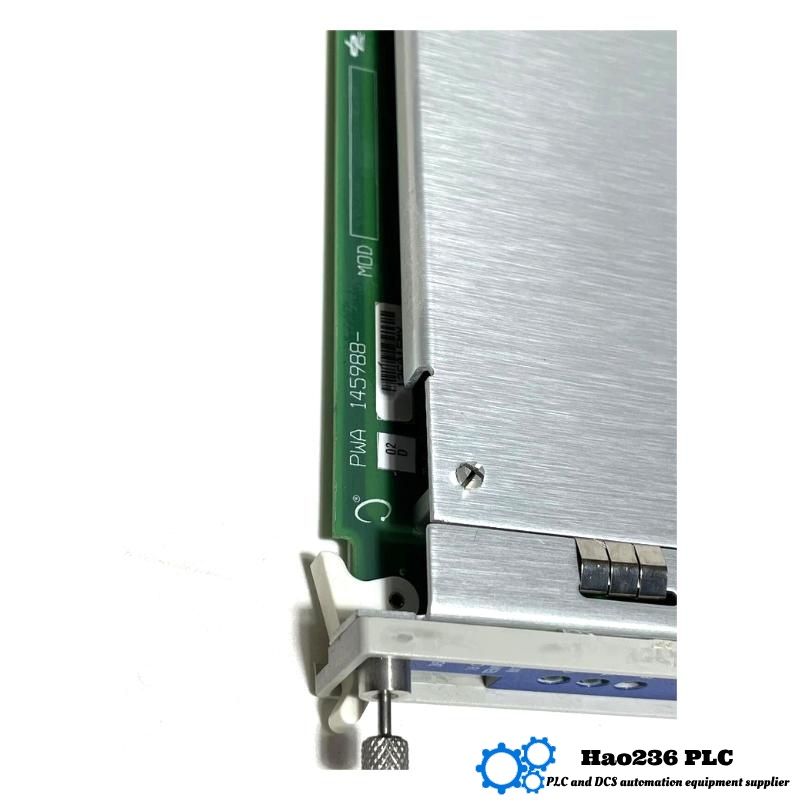
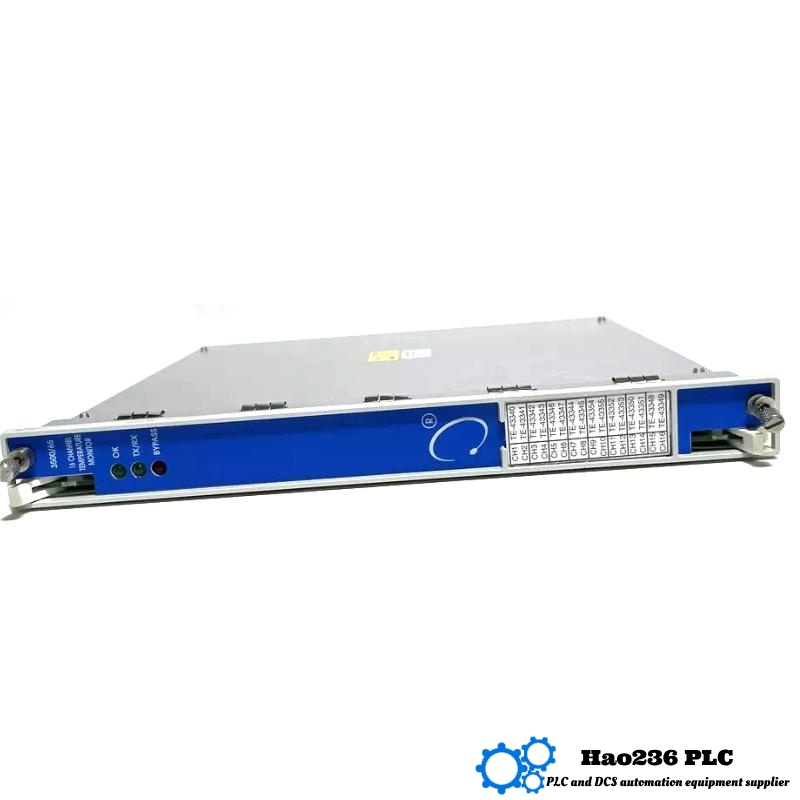
Q: How do I mount the 3500/65 145988‑02 + 172103‑01 module?
A: Slide it into the standard rack slot until it clicks, then ensure the DIN clip latches securely. No tool needed for removal—just unlatch and slide it out by hand.
-
Q: What’s the benefit of having Modbus RTU output?
A: Modbus RTU enables digital communication, allowing centralized systems to query temperature, vibration levels, and status directly—beyond analog’s limited range.
-
Q: Can this be used in wet or humid environments?
A: Absolutely—it boasts an IP‑67 enclosure, which protects against dust and allows temporary immersion in water, so it stands up well to wet factory floors or splash zones.
-
Q: What does SIL 2 compliance mean?
A: SIL 2 indicates it meets rigorous safety integrity standards, making it suitable for use in safety instrumented systems where reliable shutdown or alarm triggering is mission‑critical.
-
Q: What’s the power draw under normal operation?
A: It consumes no more than 6 W even when processing both analog and Modbus outputs, helping keep power usage efficient in multi‑module racks.
-
Q: How fast does it register changes in machinery vibration or temperature?
A: It provides a full signal update in under 150 ms, giving near‑real‑time response to sudden equipment changes.
-
Q: Is recalibration necessary over time?
A: It’s factory calibrated to high precision. Periodic checks using reference instruments are wise, but re‑calibration is rarely needed unless the module experiences extreme shock or drift.
-
Q: What maintenance does the module require?
A: Very minimal—just keep connectors clean, the housing sealed, and rack rails free of debris. Visual inspection periodically is usually sufficient.
-
Q: What power supply range is acceptable?
A: The module operates properly with 24 V DC, allowing a ±10 % margin—ensure your supply regulates between 21.6 V and 26.4 V.
-
Q: Can I swap a module without shutting down the system?
A: Yes—the slide‑in rack design with latch means you can hot‑swap the module without powering down adjacent modules, reducing maintenance downtime.