-
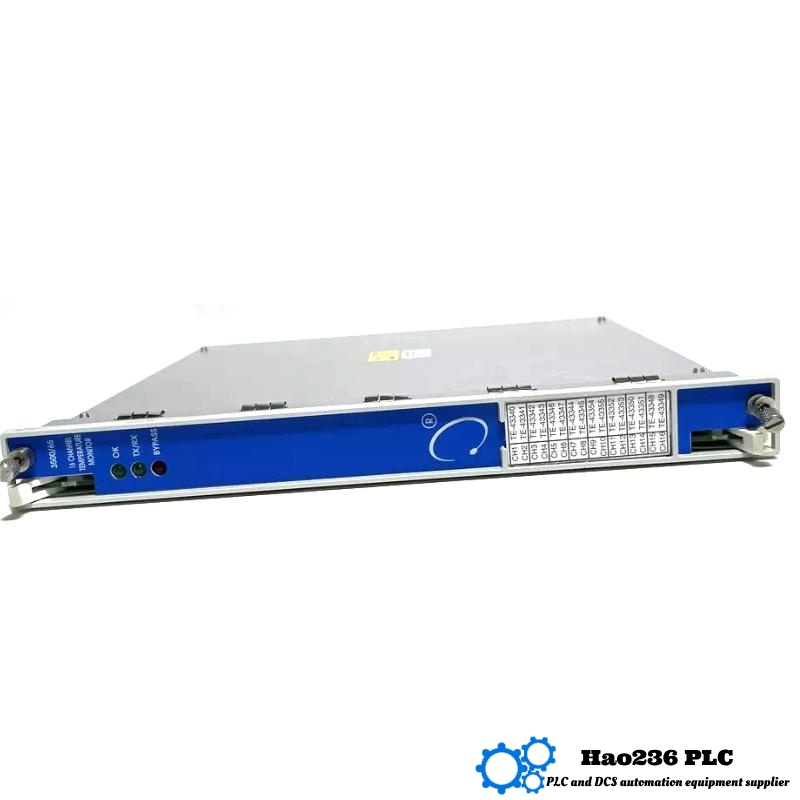
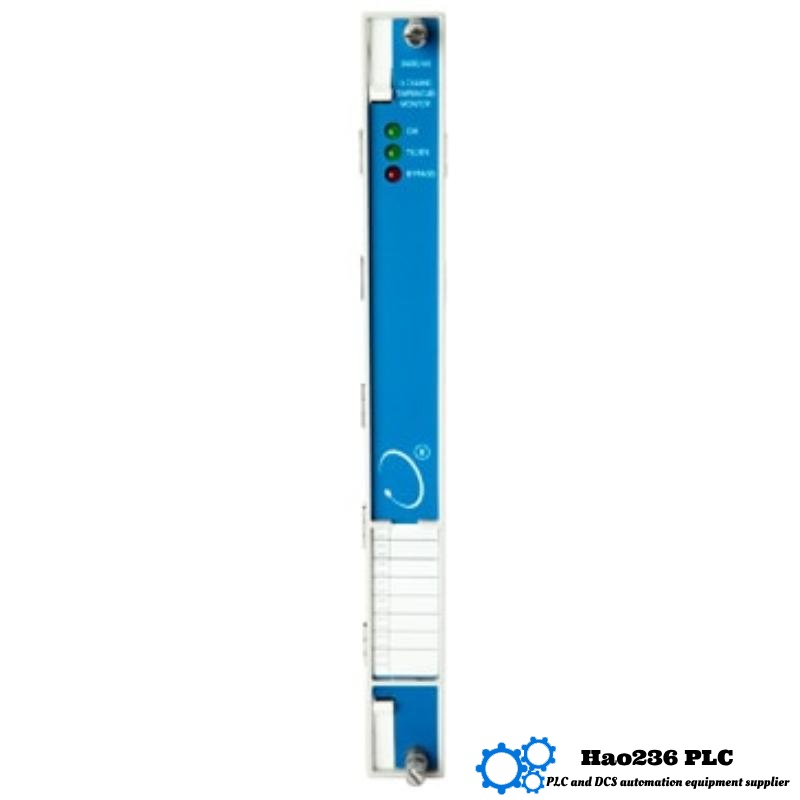
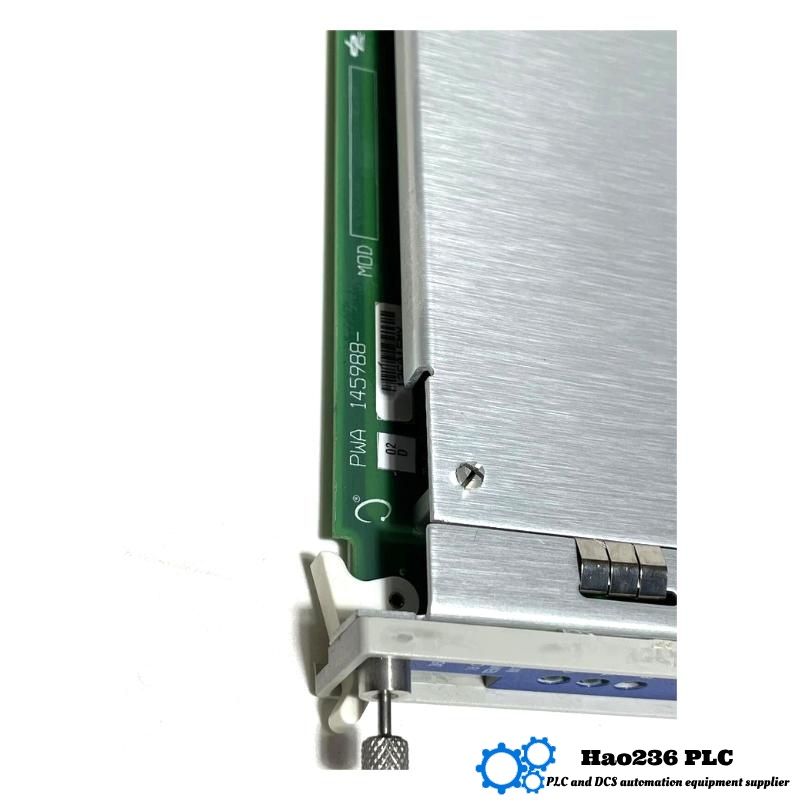
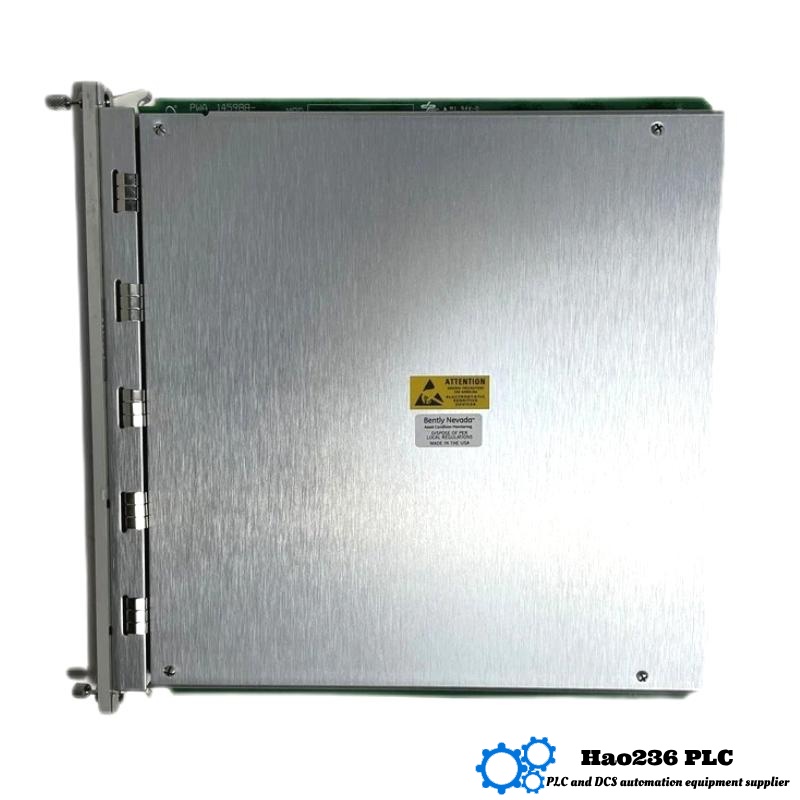
Q: How do I install the 3500/65 172103‑01 + 145988‑02 module?
A: Slide the module into the rack on its rails until it clicks into place, then ensure the DIN clip latches firmly. It installs tool‑free and locks securely.
-
Q: Why include Modbus RTU output?
A: Modbus RTU enables digital interrogation of vibration and temperature data, allowing modern networked control systems to retrieve detailed diagnostics—beyond analog output’s capabilities.
-
Q: Is the unit resistant to water exposure?
A: Yes—the IP‑67 rating means the module is fully protected from dust and can withstand temporary immersion in water, suited for splash zones and humid areas.
-
Q: What does SIL 2 rated mean in practice?
A: SIL 2 certification indicates the module meets safety integrity benchmarks, making it appropriate for use in systems requiring dependable shutdown or alarm functions with safety compliance.
-
Q: What is the typical power consumption?
A: Under normal operation, it draws no more than 6 W, even when driving both analog and Modbus outputs, making it energy‑efficient in multi‑slot racks.
-
Q: How fast does it respond to changes in measured variables?
A: It updates output within 150 ms of detecting a vibration or temperature variation, enabling near‑real‑time alerts.
-
Q: Does it require periodic calibration?
A: It’s factory‑calibrated to high precision. Routine verification with reference instruments is good practice, but re‑calibration is generally unnecessary unless extreme conditions disrupt performance.
-
Q: What routine maintenance does it need?
A: Very little—just ensure connectors and DIN clips remain clean, rack slots are free of debris, and the housing stays sealed. A visual inspection is usually sufficient.
-
Q: What range of supply voltage does it accept?
A: It runs on 24 V DC with a ±10 % tolerance—so it works reliably between 21.6 V and 26.4 V supplied.
-
Q: Can the module be replaced without shutting down the system?
A: Yes—the slide‑in rack with latch design allows hot‑swapping of modules without powering down adjacent units, minimizing operational interruption.