Frequently Asked Questions (FAQs)
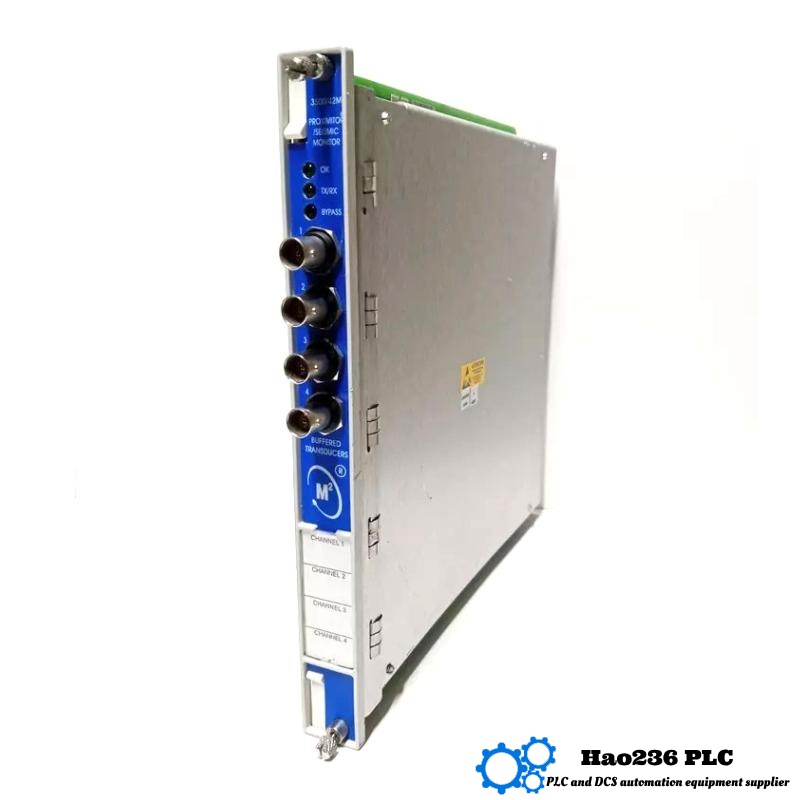
Q1: What types of machinery is the 3500/72M module best suited for?
A1: It is primarily designed for reciprocating machinery such as compressors and pumps, where rod position and drop monitoring is critical to avoid mechanical failures.
Q2: Can this module be integrated into existing 3500 Series racks?
A2: Yes, the 3500/72M is fully compatible with standard 3500 Series racks and can be hot-swapped without system downtime.
Q3: What is the typical operating temperature range for this module?
A3: The module operates reliably within -30°C to +65°C, suitable for most industrial environments.
Q4: How many channels does the 3500/72M support?
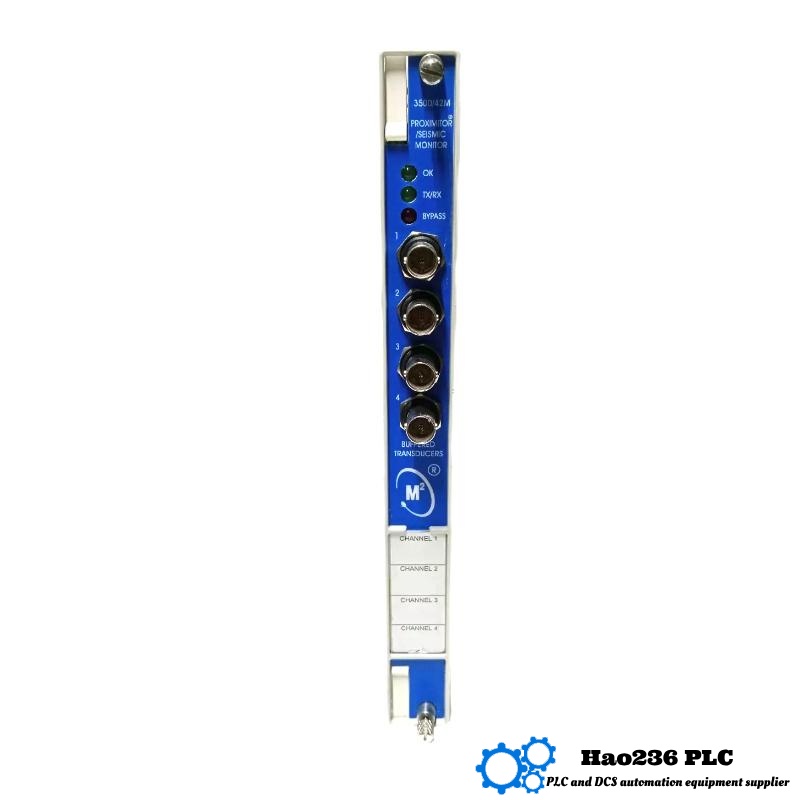
A4: It supports two independent channels, allowing simultaneous monitoring of multiple rod positions.
Q5: What output signals does the module provide?
A5: It provides industry-standard 4–20 mA analog outputs for integration with control systems and data acquisition.
Q6: Is the module resistant to electromagnetic interference (EMI)?
A6: Yes, the 3500/72M is designed with robust EMI shielding to ensure signal integrity in harsh industrial settings.
Q7: What are the benefits of using this module over traditional monitoring methods?
A7: It offers real-time monitoring with higher accuracy and early fault detection, reducing unplanned downtime and maintenance costs.
Q8: Does this module support redundant configurations?
A8: Yes, it supports redundant system setups for enhanced reliability and fault tolerance.
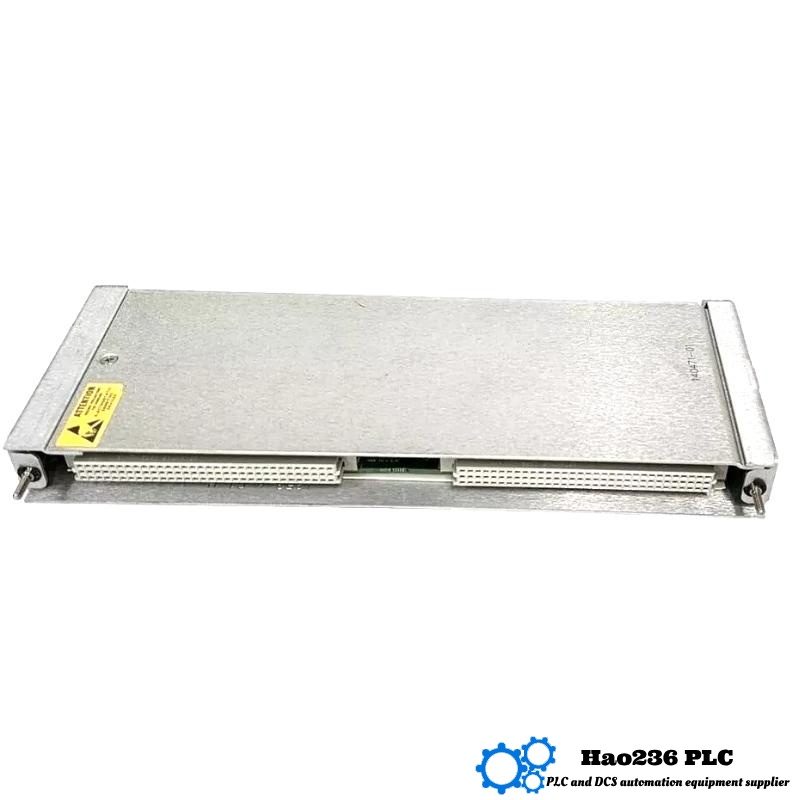
Q9: What are the physical dimensions and weight of the module?
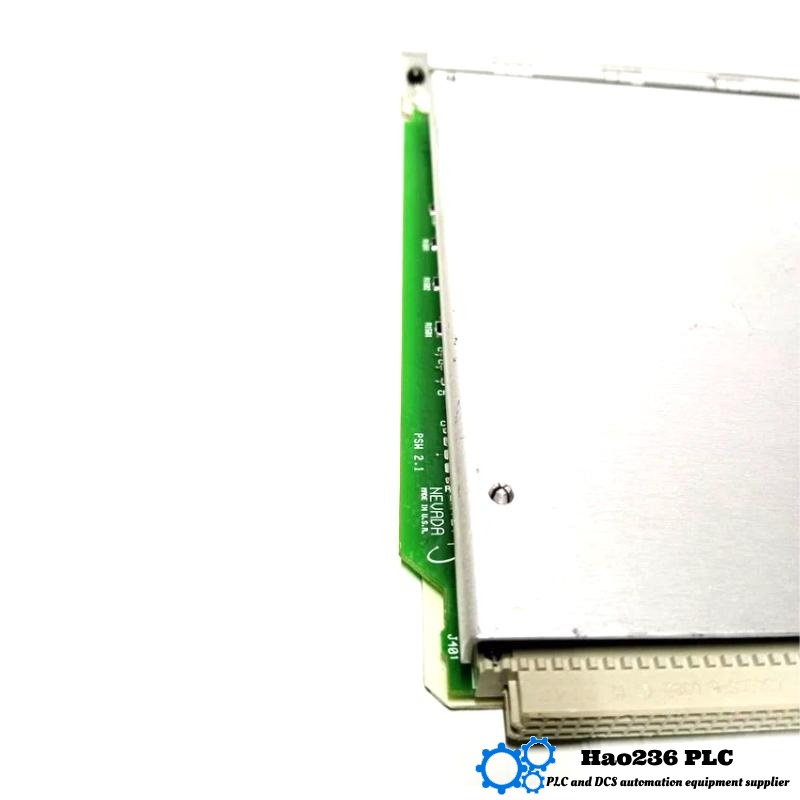
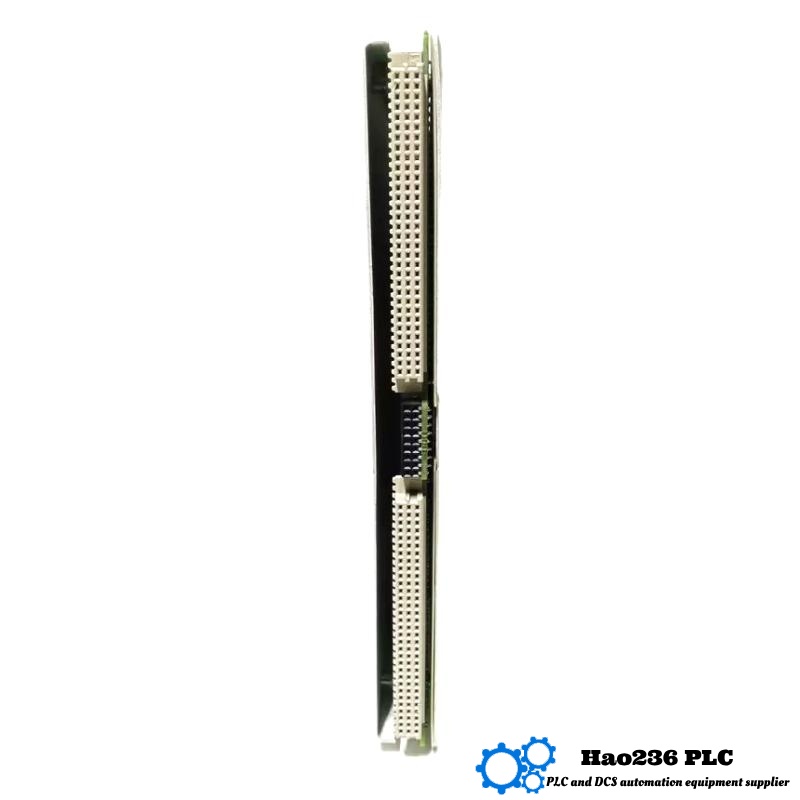
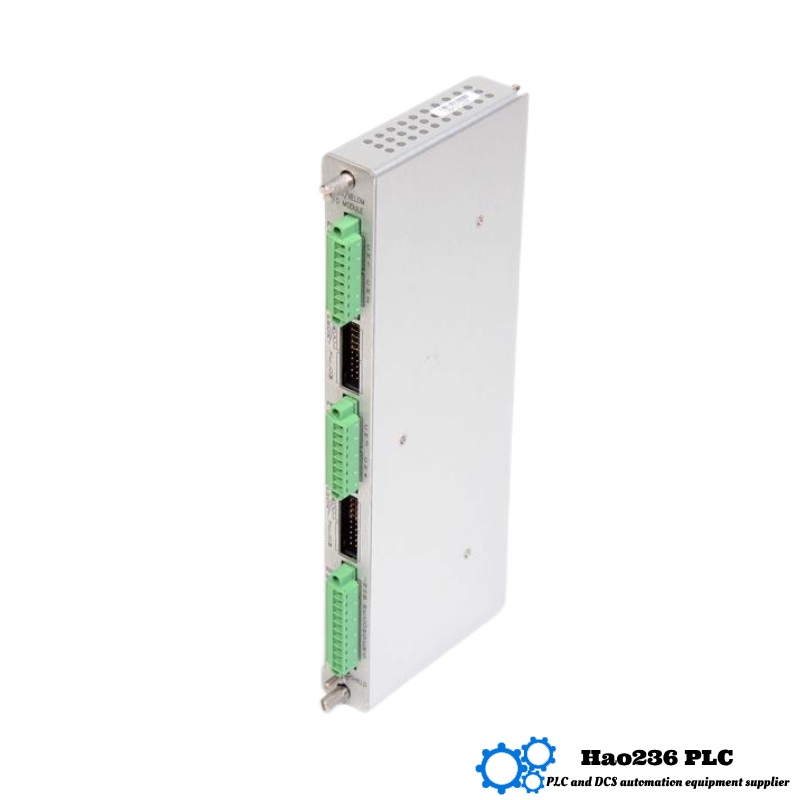
A9: The module measures approximately 241.3 mm × 24.4 mm × 241.8 mm and weighs about 0.91 kg.
Q10: How does this module contribute to predictive maintenance programs?
A10: By providing early warnings on rod position deviations and potential mechanical issues, it enables timely interventions, extending equipment life and optimizing maintenance schedules.
Related Products
Copyright @ 2026 Automations
XML|Links:
No:77501