Frequently Asked Questions (FAQ)
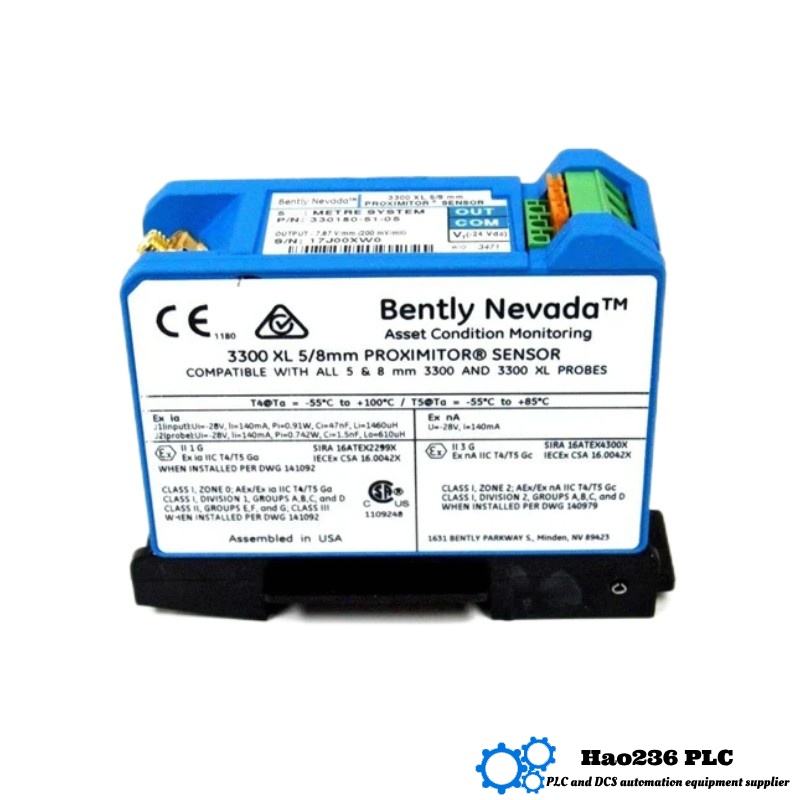
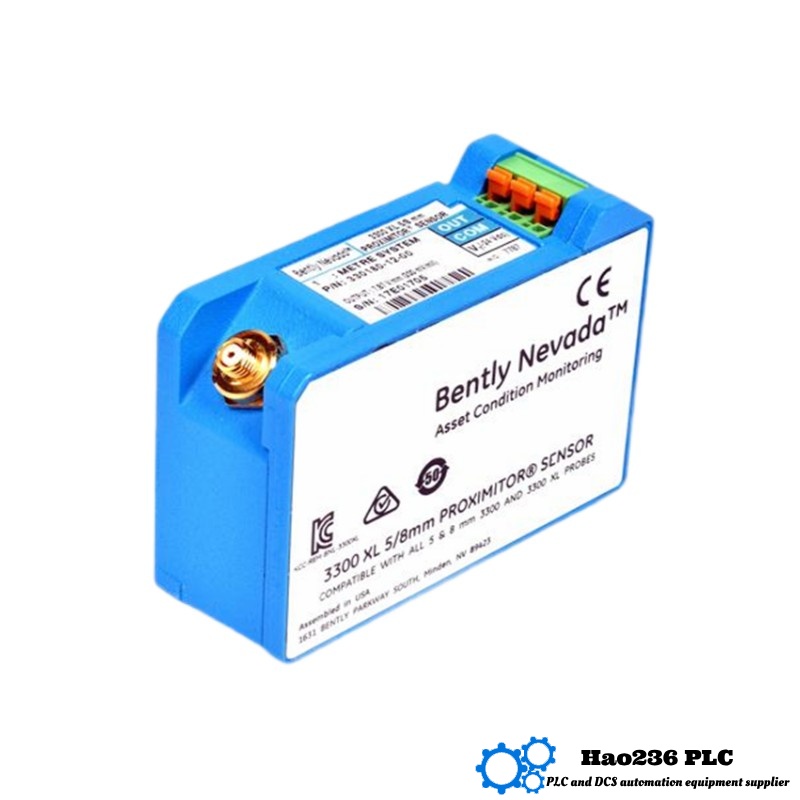
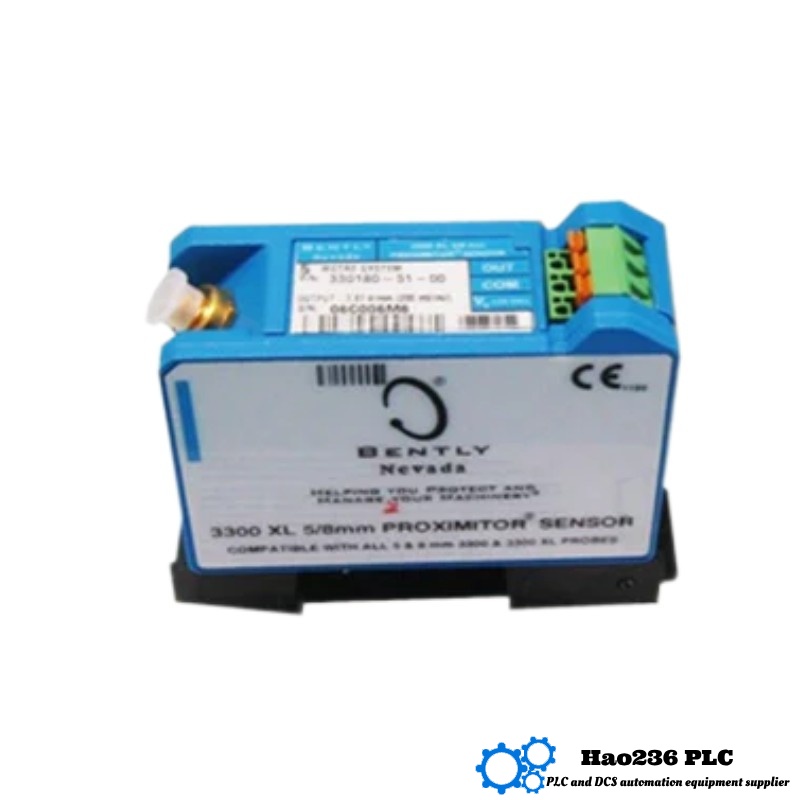
Q1: Can the 330180-12-05 measure static shaft position?
A1: Yes. It measures both static (shaft position, eccentricity) and dynamic (vibration) displacement by converting probe-target distance into voltage.
Q2: Which types of probes are compatible with this sensor?
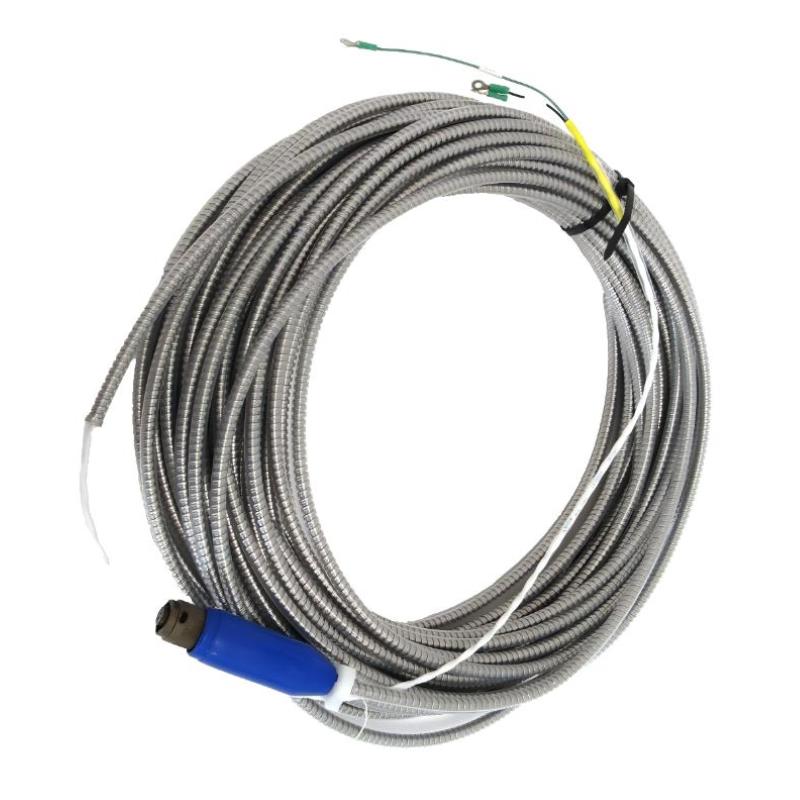
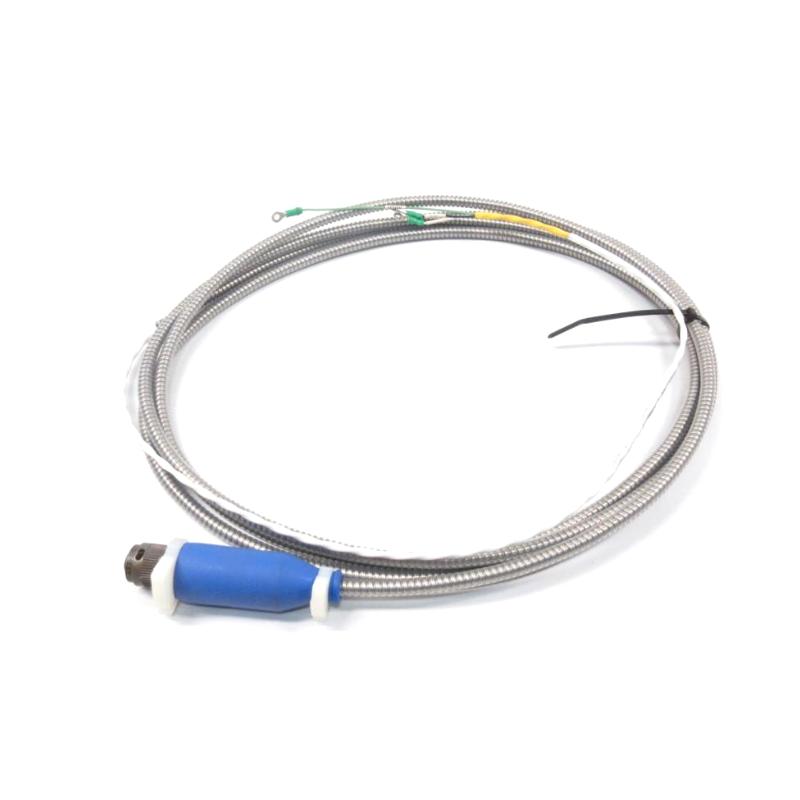
A2: It supports Bently Nevada 3300 XL probes, including 5 mm, 8 mm, and 8 mm XL versions with matching extension cables.
Q3: Will cable length affect signal quality?
A3: Signal degradation may occur if cables exceed specified lengths. This model is optimized for 1-meter systems, with other variants available for longer setups (5 m, 9 m).
Q4: Is it suitable for use in high- or low-temperature environments?
A4: Yes. The sensor operates reliably from -52 °C to +100 °C, suitable for most industrial applications.
Q5: Can it be used in hazardous or explosive environments?
A5: Yes. Depending on the model version and installation method, it can be used in ATEX, CSA, and IECEx certified zones.
Q6: What type of signal does it output? Is it analog or digital?
A6: It outputs an analog voltage signal proportional to the gap. Digital output requires external modules or converters.
Q7: What is the typical probe gap setting?
A7: A typical gap is 1.27 mm (50 mils). Setup requires target material to match calibration (e.g., AISI 4140 steel) for accurate linear response.
Q8: What is the size and weight of this model?
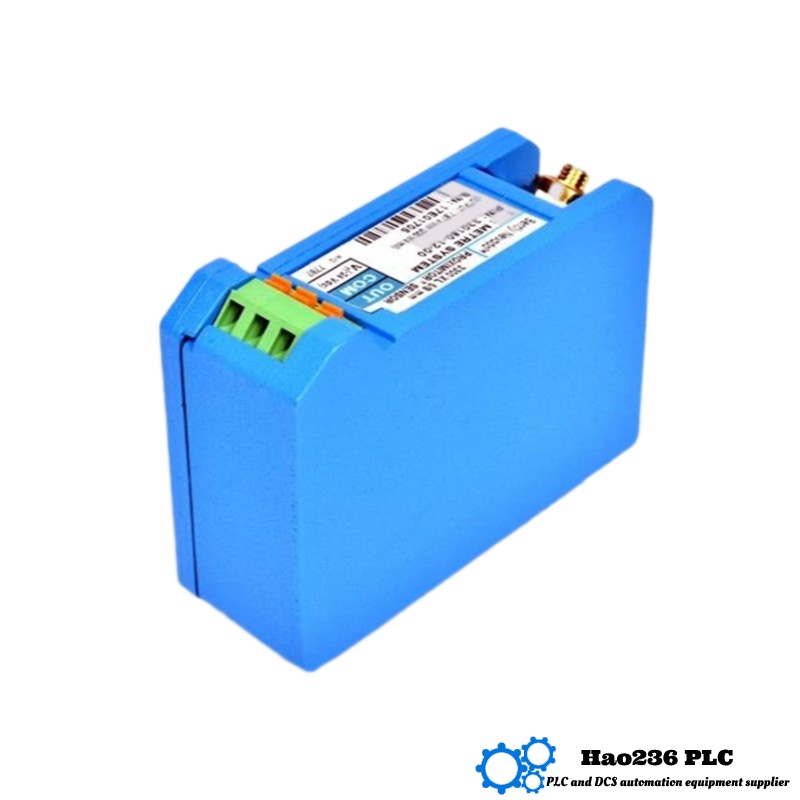
A8: Dimensions are approx. 81.3 mm × 50 mm × 63.5 mm. Weight is ~0.246 kg. Ensure firm mounting and proper cable routing during installation.
Q9: What material is the housing made of? Is it corrosion resistant?
A9: The housing is made of A308 aluminum alloy, offering moderate corrosion resistance. For severe environments, additional protection may be needed.
Q10: How does it compare to older Proximitor models?
A10: It offers enhanced EMI/RFI protection, broader temperature range, better compatibility, and more compact or modular options than legacy systems.
Related Products
Copyright @ 2026 Automations
XML|Links:
No:77501