Frequently Asked Questions (FAQ)
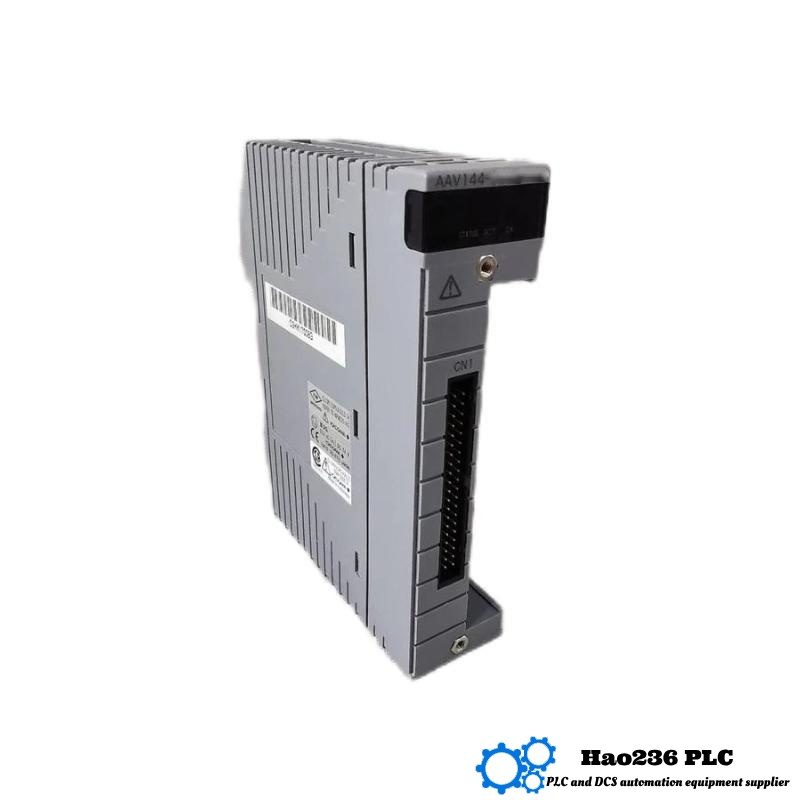
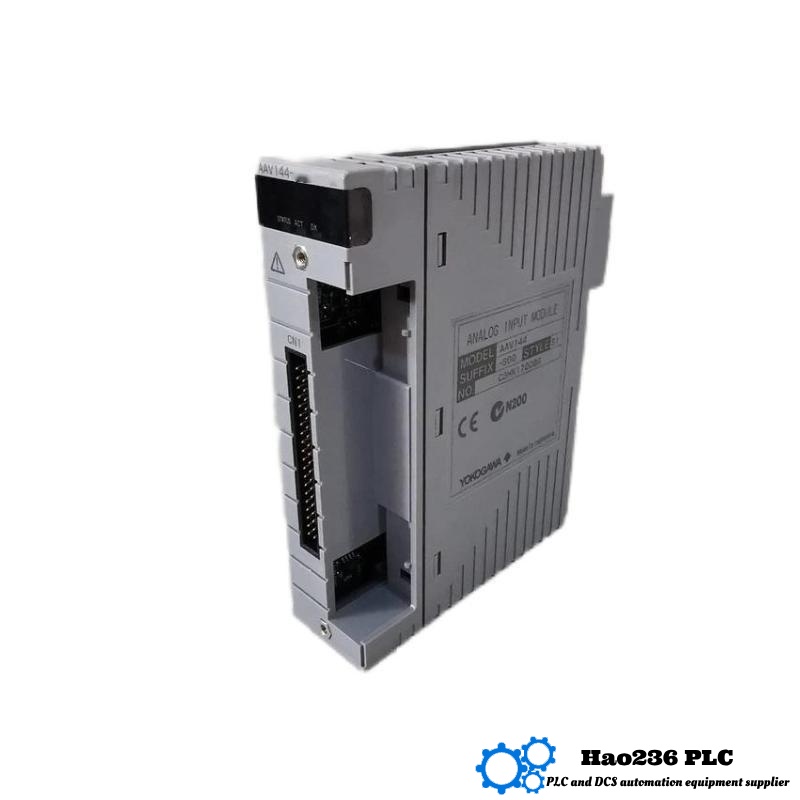
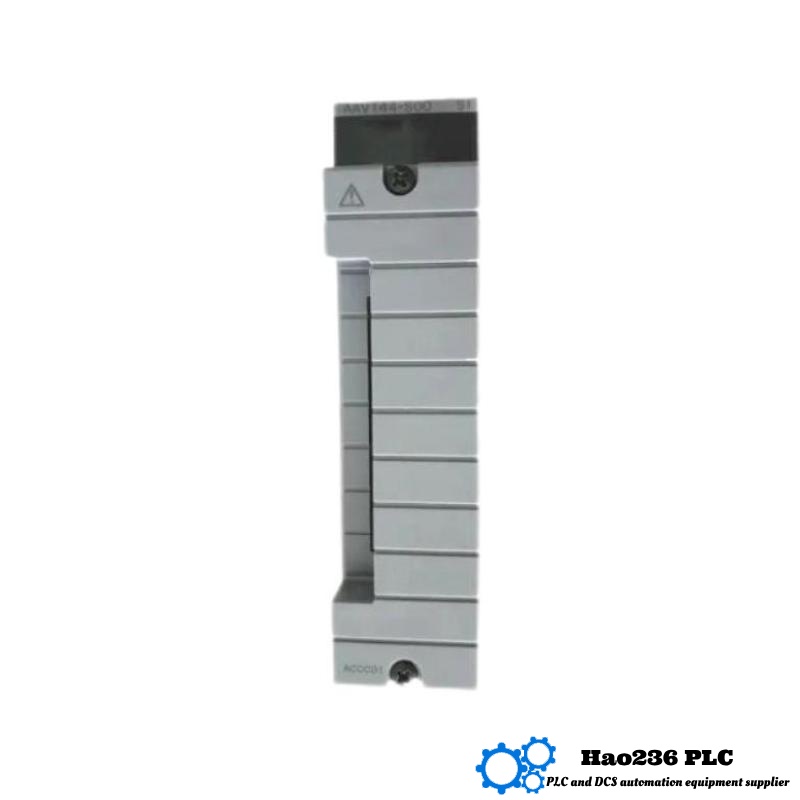
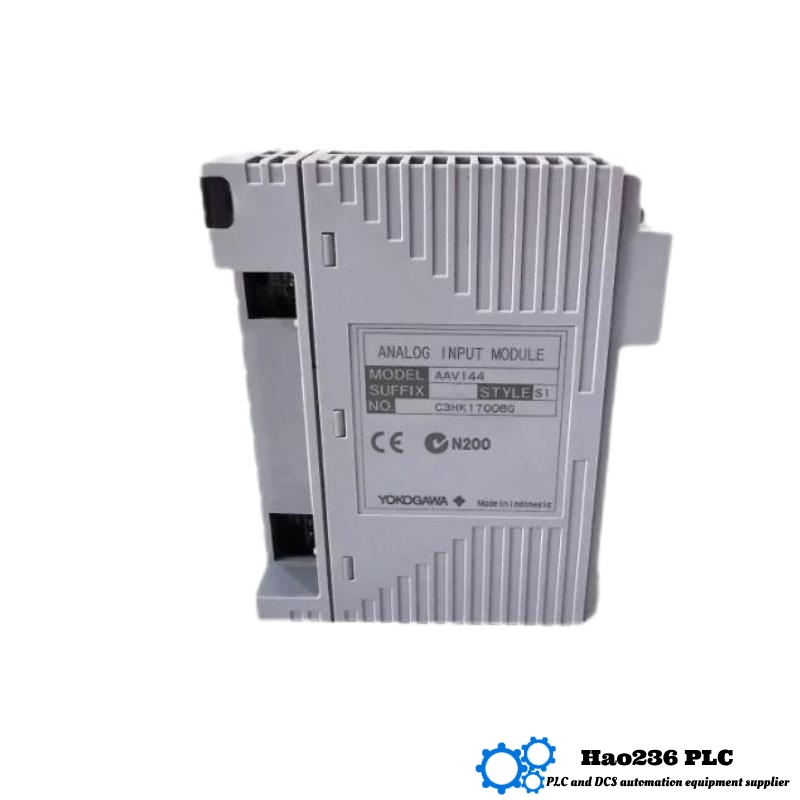
Here are 10 Q&A entries, designed to sound practical / field‑oriented, non‑AI style, about AAV144‑SM0 (given its assumed features).
Q1: Is AAV144‑SM0 fully compatible with AAV144‑S00?
A1: Very likely yes. The SM0 variant probably shares the same form factor, channel count, and voltage ranges as S00. But wiring, terminal blocks, or connectors may differ, so verify physical mounting and connector interface.
Q2: Can I use inputs from ‑10 V to +10 V with this module?
A2: Yes. Voltage input modules in AAV144 series typically support ranges like 1‑5 V and ‑10 to +10 V. SM0 assumed to follow that.
Q3: How many channels will be isolated?
A3: Expected 16 isolated channels. Isolation helps to reduce interference and avoid ground loops.
Q4: What is the speed or update period?
A4: Around 10 milliseconds for full module update. Enough for many process control loops though not for very high frequency sampling.
Q5: What about input drift with temperature?
A5: The module will drift a few millivolts per 10°C. Lower range (1‑5 V) probably sees ±4 mV/10°C; the larger range (‑10 to +10 V) may see ±20 mV/10°C in typical usage.
Q6: What is the weight I need to plan for?
A6: Approximately 1.5 kg, assuming full module with housing and rack mount hardware. If you consider just the internal PCB portion, lighter.
Q7: Will it fit in racks designed for S‑series Yokogawa modules?
A7: Yes, if the “SM0” variant uses the standard AAV144‑series rack/housing dimensions (~144 mm height, ~90 mm width, ~60 mm depth).
Q8: What happens if input voltage exceeds ±30 V?
A8: Likely the module has built‑in protection up to ±30 V. Beyond that, risk of damage or failure of input circuits.
Q9: Is the module certified for hazardous / explosion‑proof environments?
A9: Unless explicitly specified, SM0 may not carry Ex / hazardous ratings. The S50 / similar suffix often have options for Ex‑rating or surge protection. So check variant certified documentation.
Q10: What failure modes occur in long‑term use?
A10: Common issues include: loose connectors, corrosion on terminals, drift over temperature cycles, input leakage from moisture, signal noise due to grounding or shielding problems, burn‑out of input resistors if overvoltage, rack power supply glitches, etc.
Related Products
Copyright @ 2026 Automations
XML|Links:
No:77501