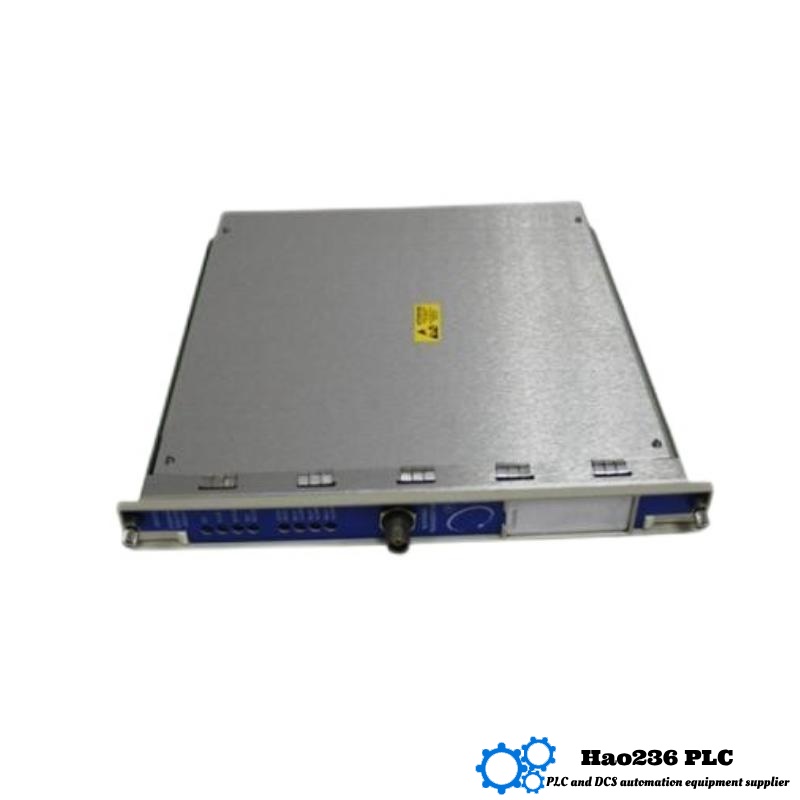
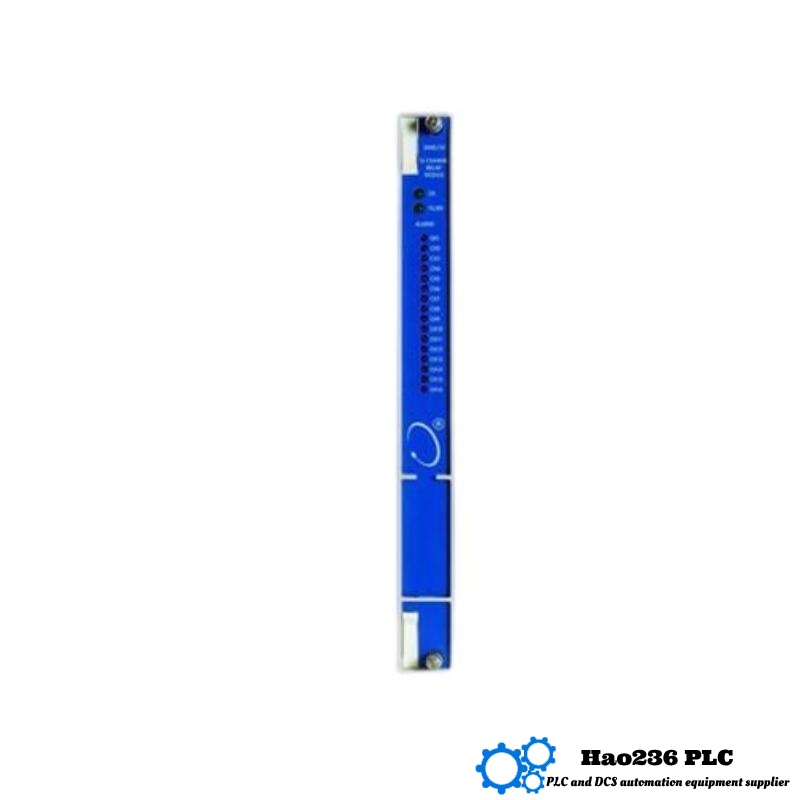
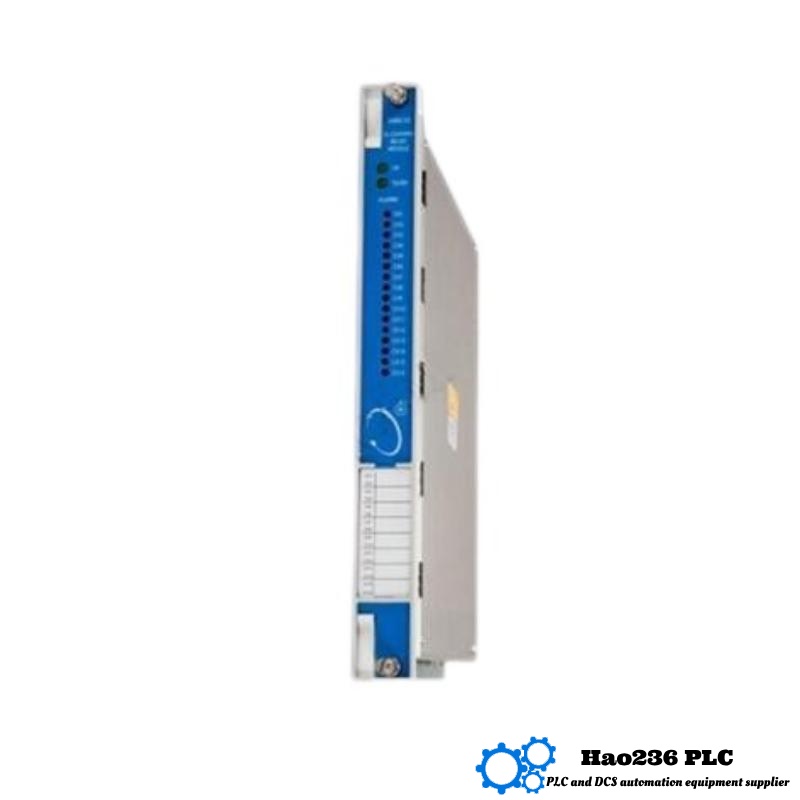
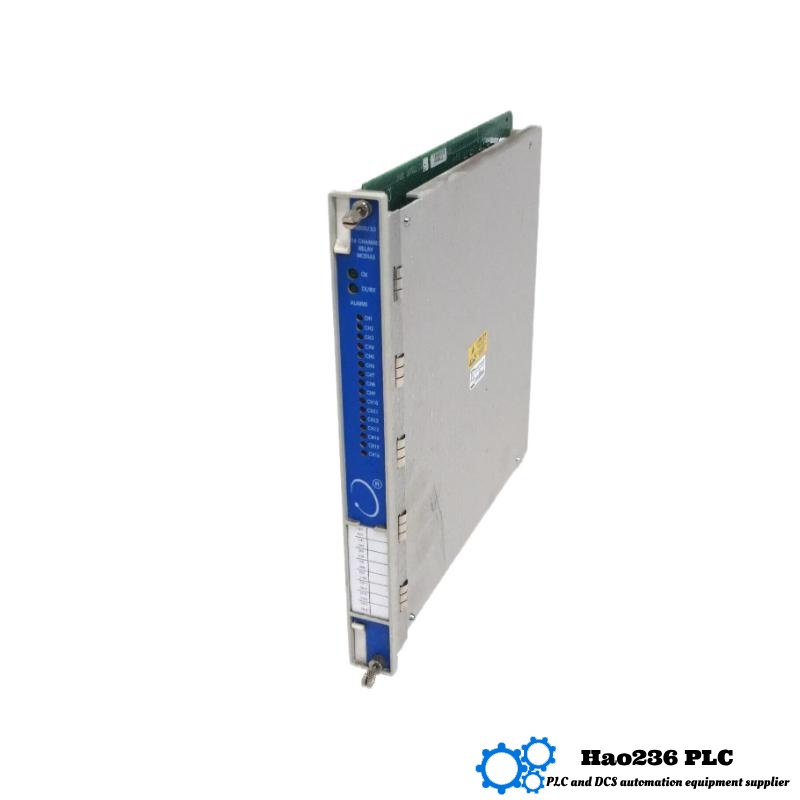
❓ FAQ – Common Questions & Answers
Q1: Can this module directly control heavy equipment or motors?
A1: No, the 3500/32M relay outputs are signal-level only. For heavy loads, always use external interposing relays or contactors.
Q2: What happens if one relay channel fails?
A2: If configured for redundancy or voting logic, other relays can compensate. For critical systems, multiple modules are recommended.
Q3: Do I need to power off the system before removing or inserting this module?
A3: It’s recommended to power down before replacing modules. However, in supported systems, hot-swap may be possible under controlled conditions.
Q4: How is the relay logic configured?
A4: Via the 3500 Rack Configuration Software. Users can define input sources and logic operations per relay channel.
Q5: Is this module suitable for hazardous/explosive environments?
A5: Only if used with appropriate certifications and accessories. Always verify ATEX/IECEx compliance for hazardous area installations.
Q6: Are there delays in triggering the relays?
A6: Minimal. Relays respond quickly, but any delay would depend on logic processing and rack load conditions.
Q7: Can I use multiple 3500/32M modules in one system?
A7: Yes. They can be configured for different logic outputs or for redundancy in high-availability systems.
Q8: Is there a lifespan for the relays in this module?
A8: Yes, relay contacts wear over time. Regular maintenance and testing are recommended, especially in high-cycling environments.
Q9: How do I know if the module is malfunctioning?
A9: The system will report module status via LEDs and in software. Relay non-function, alarms, or loss of logic outputs are common symptoms.
Q10: Can it handle extreme temperatures or vibrations?
A10: Yes, within rated limits (-30°C to +65°C). For extreme conditions, use protective enclosures or environmental shielding.
Related Products
Copyright @ 2026 Automations
XML|Links:
No:77501