7. FAQ (10 Q&A on 3500/23E)
Below are ten frequently asked questions about the 3500/23E, with clear answers, avoiding AI‑style language, focused on practical use.
Q1: Does the 3500/23E module need a separate external power supply?
A1: No. The 23E module draws power from the rack’s backplane (DC supply), as do other modules in the 3500 rack. It does not require a separate local power source.
Q2: If the 23E fails, does the rest of the rack still run?
A2: The 23E is critical for data communication and transient capture. If it fails, the monitors likely continue basic measurement, but external data communications, waveform capture, and configuration access will be lost, reducing system usefulness.
Q3: Can it operate in harsh temperatures or outdoor conditions?
A3: Yes, within specified limits (–40 °C to +85 °C as per supplier listings). For installations in harsher conditions (extreme heat, humidity, UV), protective enclosures or climate control are recommended.
Q4: How many channels of data can it handle?
A4: It supports up to 32 channels (steady + transient) for waveform/data capture, depending on configuration and system license.
Q5: Which communication protocols are supported?
A5: It supports multiple protocols including Modbus RTU, Modbus TCP/IP, OPC, and Ethernet for interfacing with external systems.
Q6: Is it compatible with older 3500 systems?
A6: It can be used in many 3500 / Encore systems, replacing older TDI or communication modules to provide enhanced capabilities, though compatibility should be verified in each case.
Q7: How is waveform capture controlled?
A7: Via configuration parameters loaded through rack configuration software. The 23E can be enabled to capture event waveforms or dynamic data according to defined triggers or intervals.
Q8: What is its physical size and weight in practice?
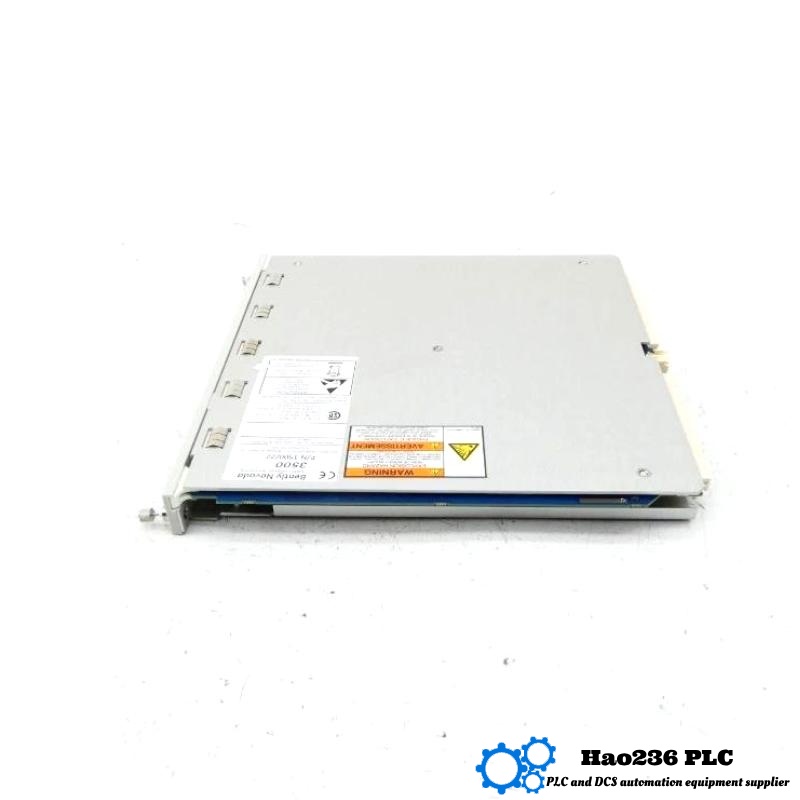
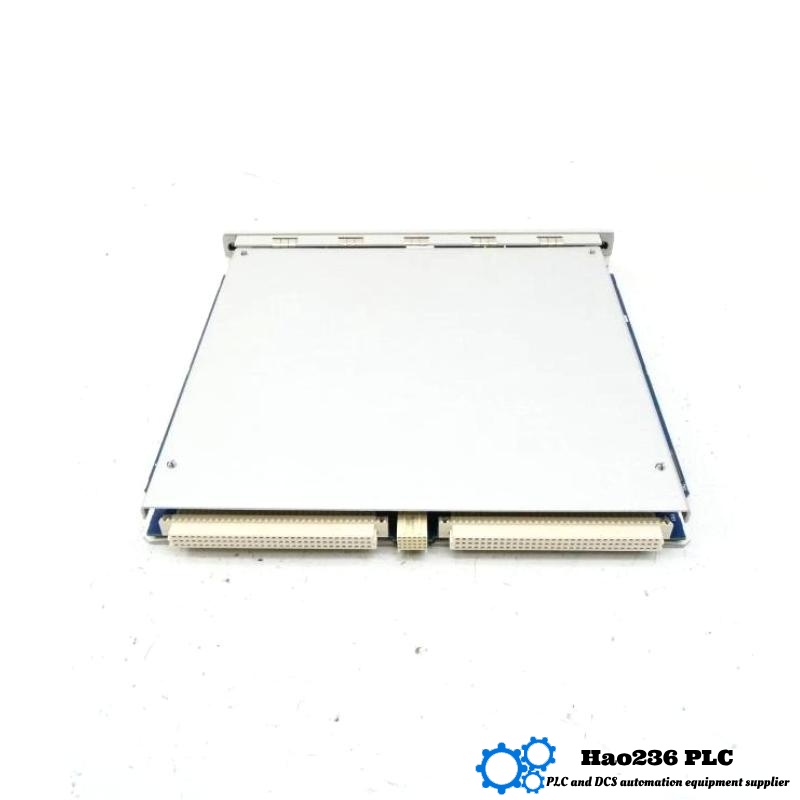
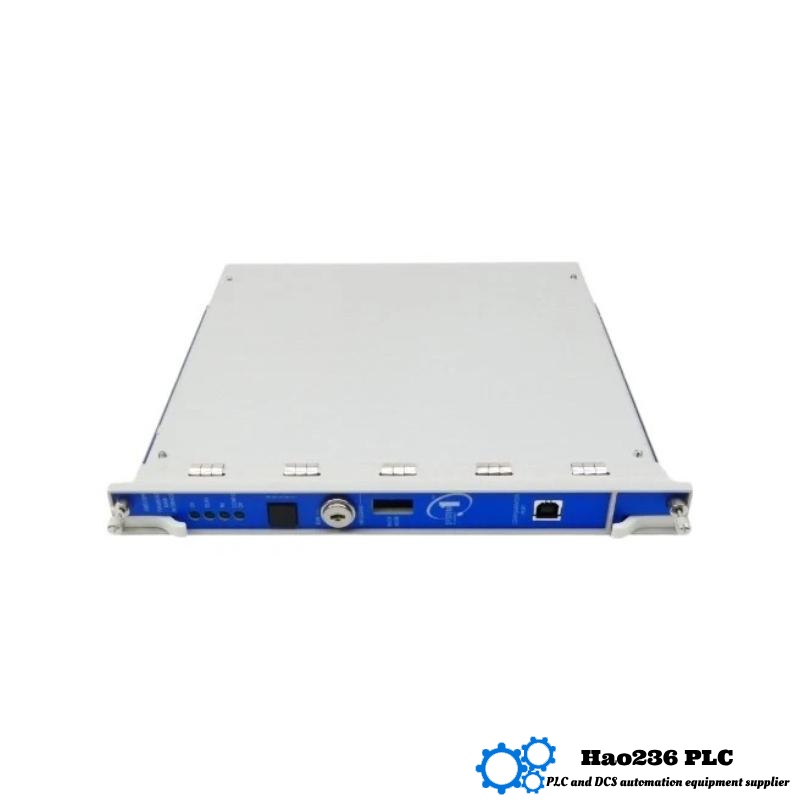
A8: Public listings cite 4.4″ × 6.2″ × 1.5″ (~11.2 × 15.7 × 3.8 cm), weight ~0.7 lb (~0.32 kg). However, used unit listings show larger dimensions (5.5 × 29 × 23 cm) and weight 1.44 kg, likely including connectors or housing.
Q9: How do I diagnose a failure or communications issue?
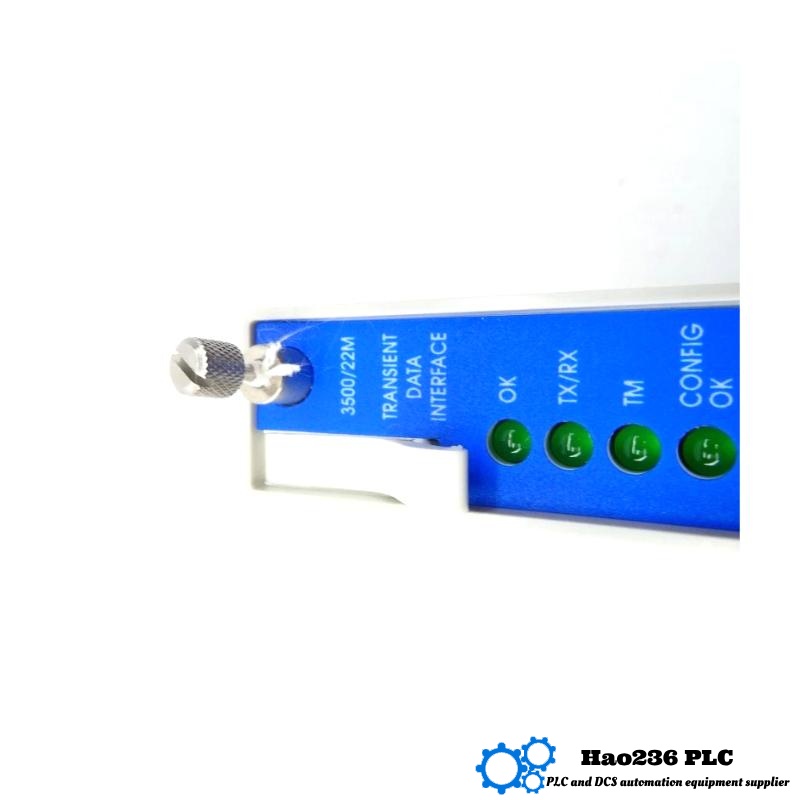
A9: Check module status LEDs, rack diagnostics, logs in the host software, network link status. Swap modules (if spare available) or replace to isolate hardware vs network issues.
Q10: If multiple racks are used, can multiple 23E modules coexist?
A10: Yes. Each rack would typically have its own 23E managing its own data and communications. They can be networked together by the host software or via protocol gateways.
Related Products
Copyright @ 2026 Automations
XML|Links:
No:77501