Frequently Asked Questions (FAQs)
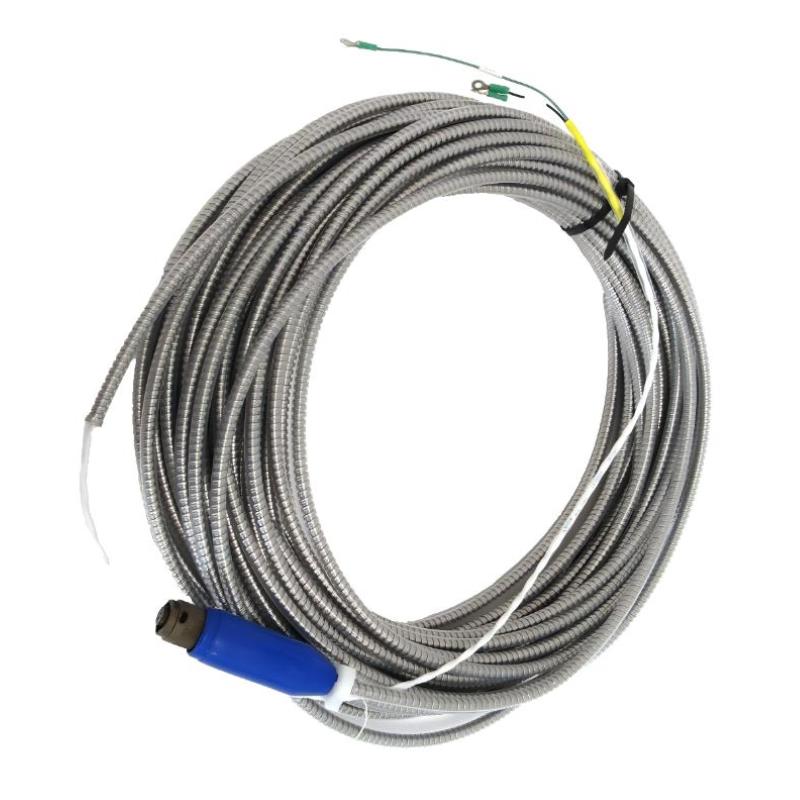
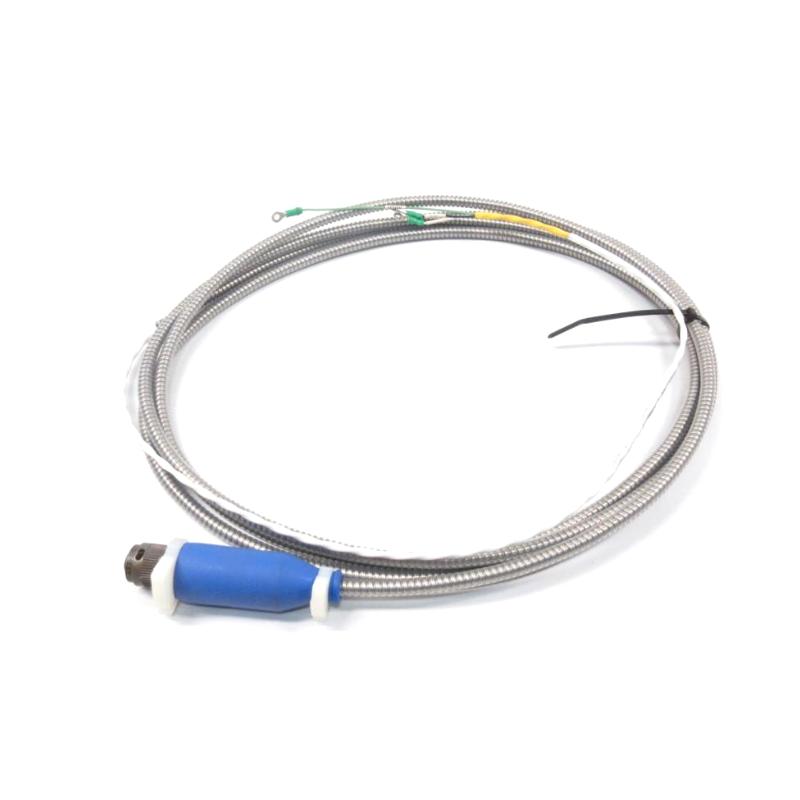
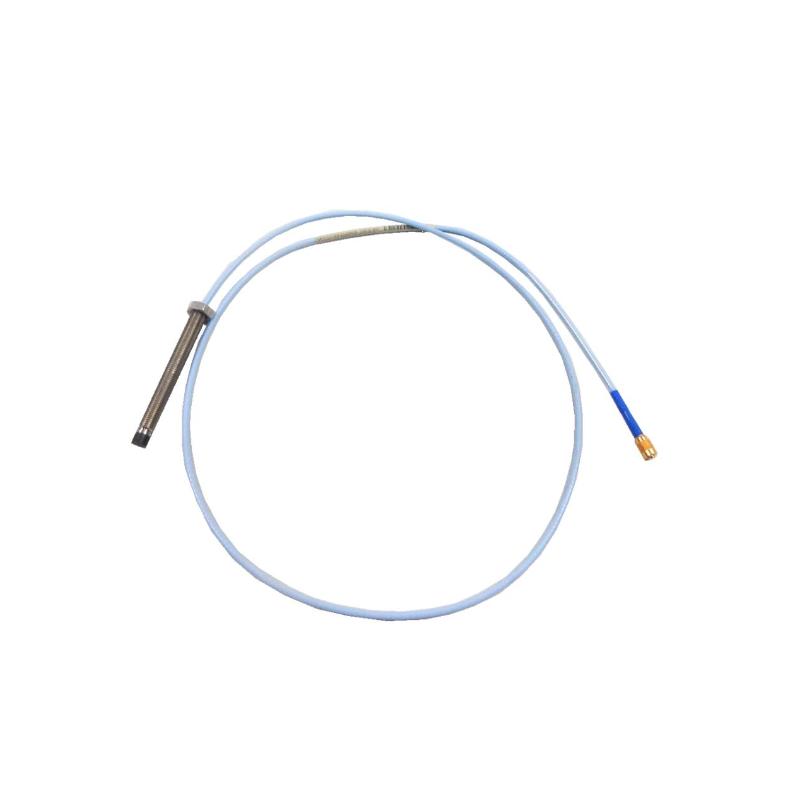
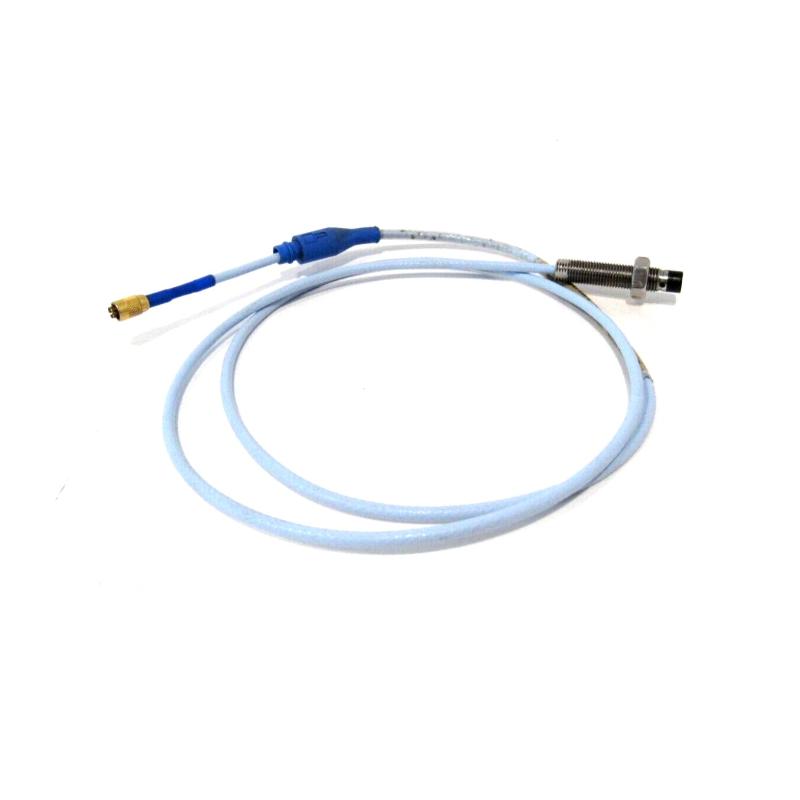
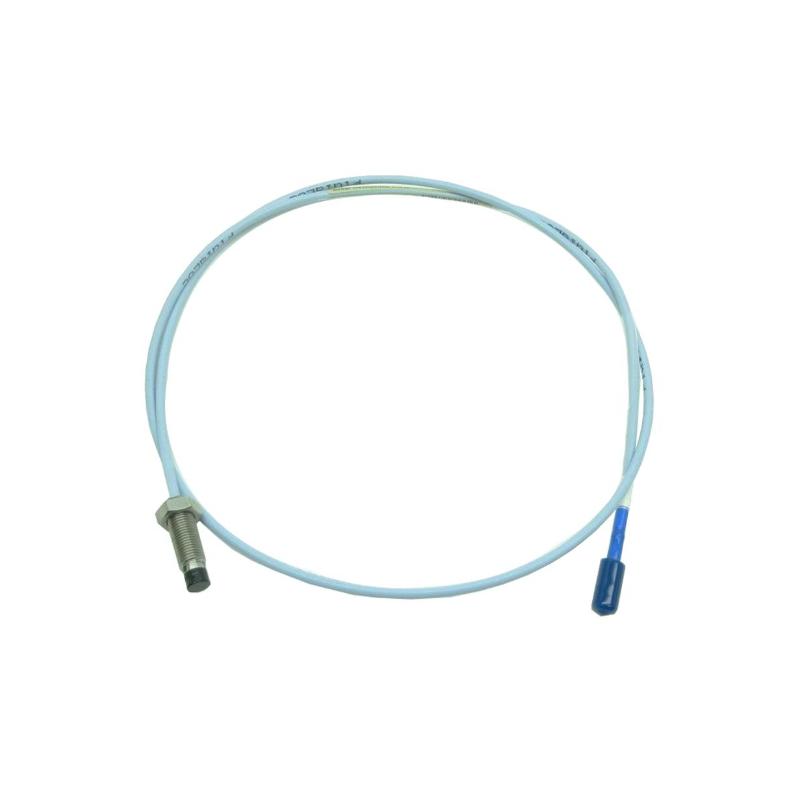
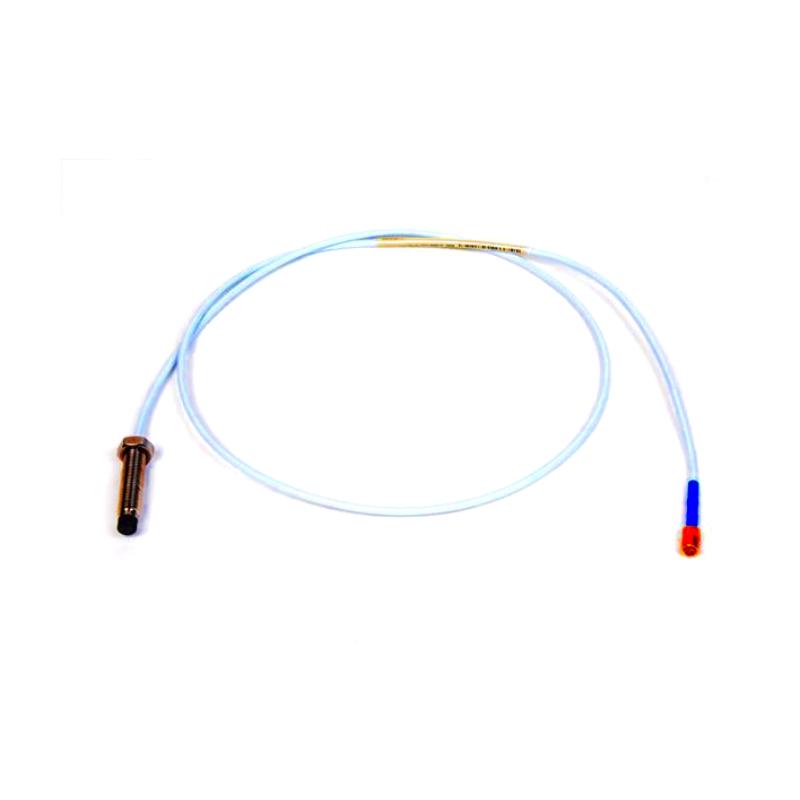
Q1: What type of machinery can the 330101-00-08-05-02-05 sensor monitor?
A1: This sensor is designed to monitor a wide range of rotating machinery including turbines, compressors, motors, and pumps. It is ideal for any machinery where vibration monitoring is critical to performance.
Q2: What outputs are available from this sensor?
A2: The sensor provides both 4-20 mA and 0-10 VDC outputs, making it compatible with a variety of condition monitoring systems.
Q3: Is the sensor resistant to harsh environmental conditions?
A3: Yes, the Bently Nevada 330101-00-08-05-02-05 is built to withstand extreme conditions such as high vibration, temperature fluctuations, and humidity.
Q4: How precise is the vibration data provided by the sensor?
A4: The sensor provides highly accurate vibration measurements that help detect even minor issues early, including bearing wear, misalignment, and imbalance.
Q5: What is the weight of the 330101-00-08-05-02-05 sensor?
A5: The sensor weighs 1.3 kg, making it compact yet durable for easy installation and long-term use.
Q6: What is the frequency range of this sensor?
A6: The Bently Nevada 330101-00-08-05-02-05 sensor covers a frequency range of 0.1 Hz to 10 kHz, allowing it to monitor a broad spectrum of machinery vibrations.
Q7: Can this sensor integrate with other Bently Nevada systems?
A7: Yes, it can be easily integrated with other Bently Nevada condition monitoring systems, making it a versatile choice for comprehensive vibration analysis.
Q8: What is the typical application of this vibration sensor?
A8: This sensor is used for condition monitoring of rotating machinery in industries such as oil and gas, power generation, and manufacturing, where predictive maintenance is essential.
Q9: What is the operating temperature range for this sensor?
A9: The sensor operates within a temperature range of -40°C to +120°C, making it suitable for various industrial environments.
Q10: How does early fault detection help save costs?
A10: By identifying faults like bearing wear or misalignment early, the sensor prevents costly repairs, reduces unplanned downtime, and increases overall machinery life.
Related Products
Copyright @ 2026 Automations
XML|Links:
No:77501