Frequently Asked Questions (FAQ)
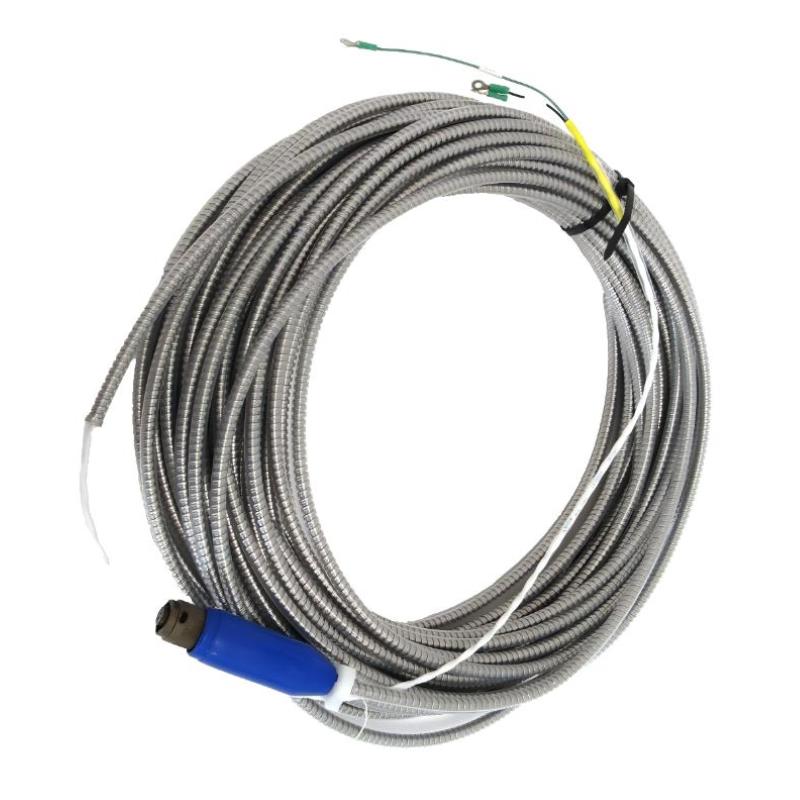
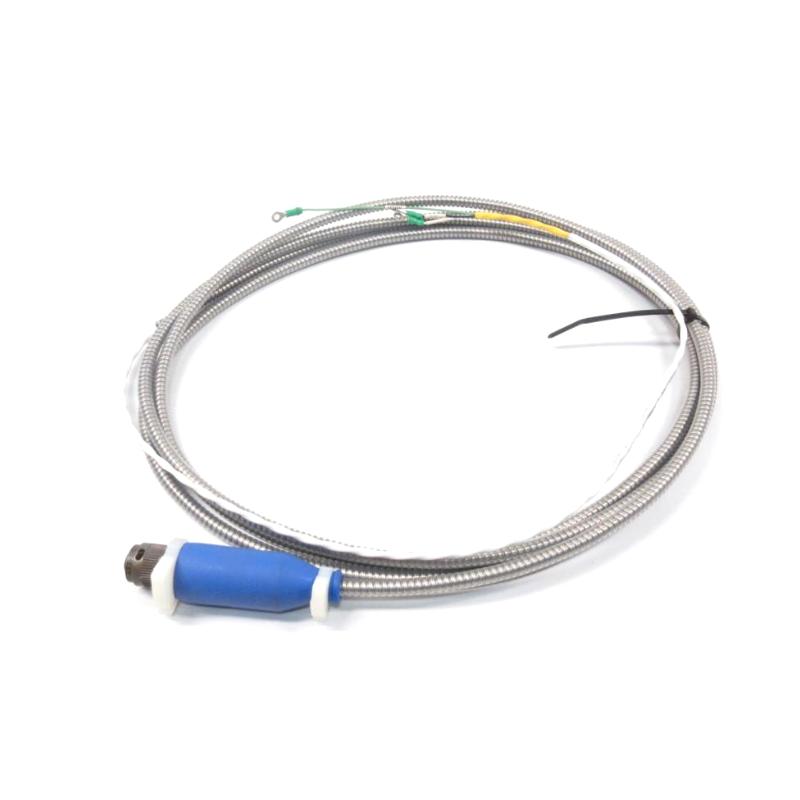
Q1: What is the primary function of the Bently Nevada 330101-00-10-05-02-05 sensor?
A1: This sensor is designed to monitor vibration levels in industrial machinery, helping to identify mechanical issues such as imbalance, misalignment, and bearing wear before they cause significant damage.
Q2: In which industries is this sensor most commonly used?
A2: It is widely used in industries such as power generation, oil & gas, chemical processing, manufacturing, and more, where reliable machinery health monitoring is critical.
Q3: How does the sensor communicate with monitoring systems?
A3: The sensor uses a 4-20 mA current loop output, which can be easily integrated with various monitoring systems for real-time vibration analysis.
Q4: What is the temperature range of the sensor?
A4: The Bently Nevada 330101-00-10-05-02-05 sensor operates in a temperature range of -40°C to +85°C, making it suitable for a wide range of industrial environments.
Q5: Can this sensor detect both low and high-frequency vibrations?
A5: Yes, the sensor covers a frequency range from 1 Hz to 10 kHz, allowing it to measure both low and high-frequency vibrations.
Q6: How do I install the Bently Nevada 330101-00-10-05-02-05 sensor?
A6: The sensor can be mounted using a flange or direct mount. Installation should be carried out in accordance with the product manual and relevant safety standards.
Q7: Is the sensor compatible with other Bently Nevada monitoring systems?
A7: Yes, this sensor is designed to integrate seamlessly with other Bently Nevada vibration monitoring systems, such as the 3300 Series, to provide comprehensive diagnostics.
Q8: What are the key advantages of using this sensor for vibration monitoring?
A8: The key advantages include high reliability, precise real-time measurements, early fault detection, and compatibility with predictive maintenance strategies.
Q9: What is the weight of the Bently Nevada 330101-00-10-05-02-05 sensor?
A9: The sensor weighs approximately 0.45 kg, making it easy to handle during installation and maintenance.
Q10: How often does the sensor need to be calibrated?
A10: Calibration should be performed periodically based on manufacturer guidelines, typically annually or whenever operating conditions change significantly.
Related Products
Copyright @ 2026 Automations
XML|Links:
No:77501