FAQ
Q1: What is the linear measurement range of this probe?
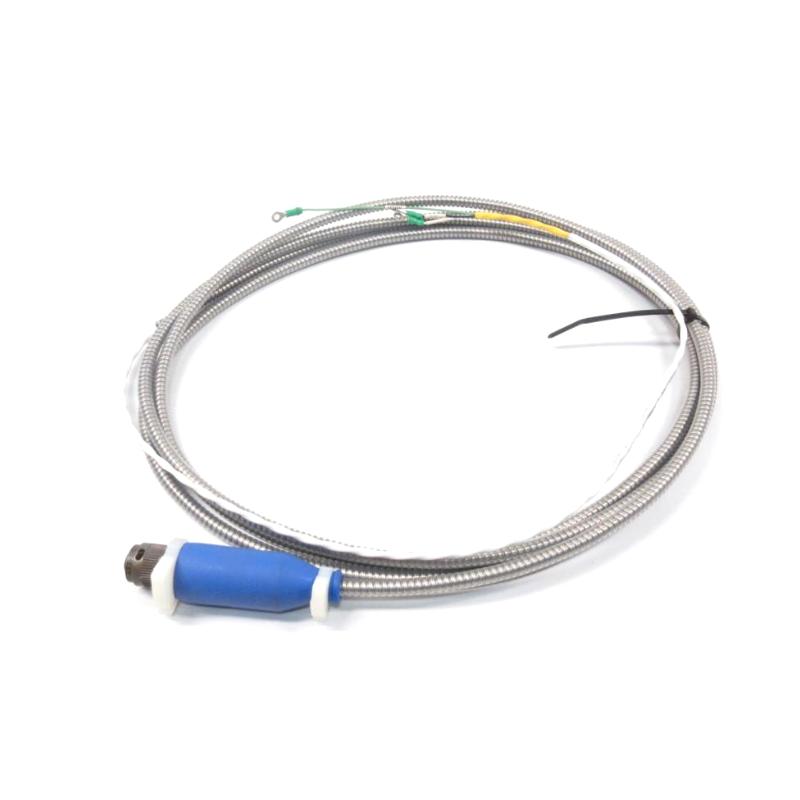
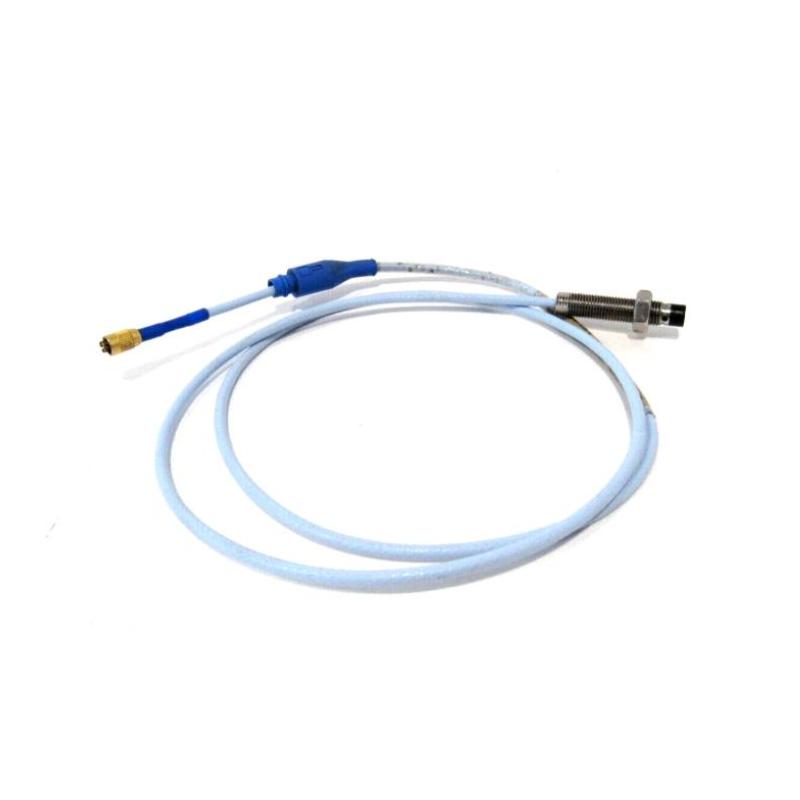
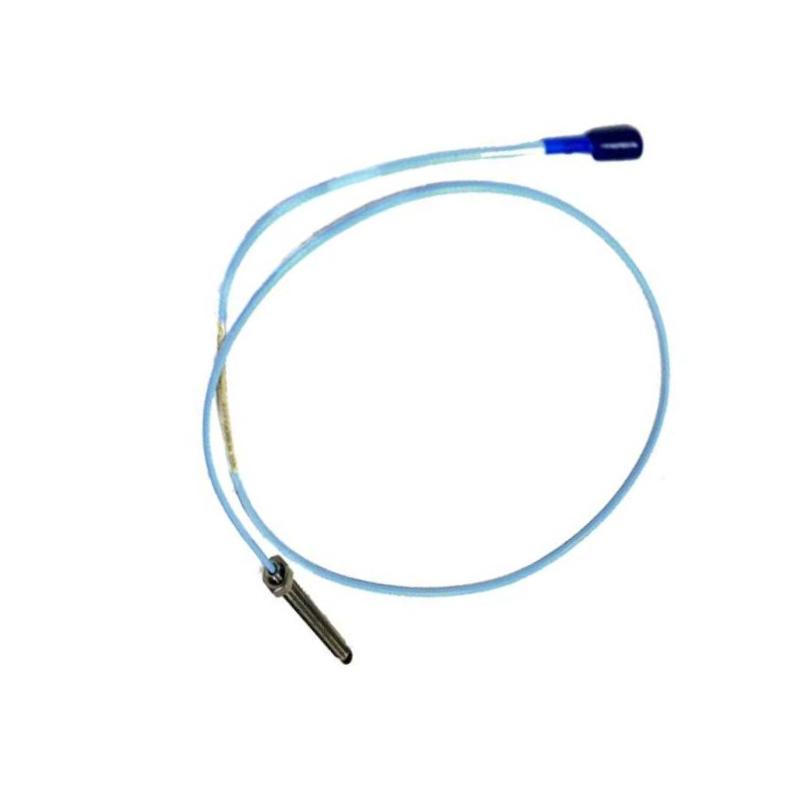
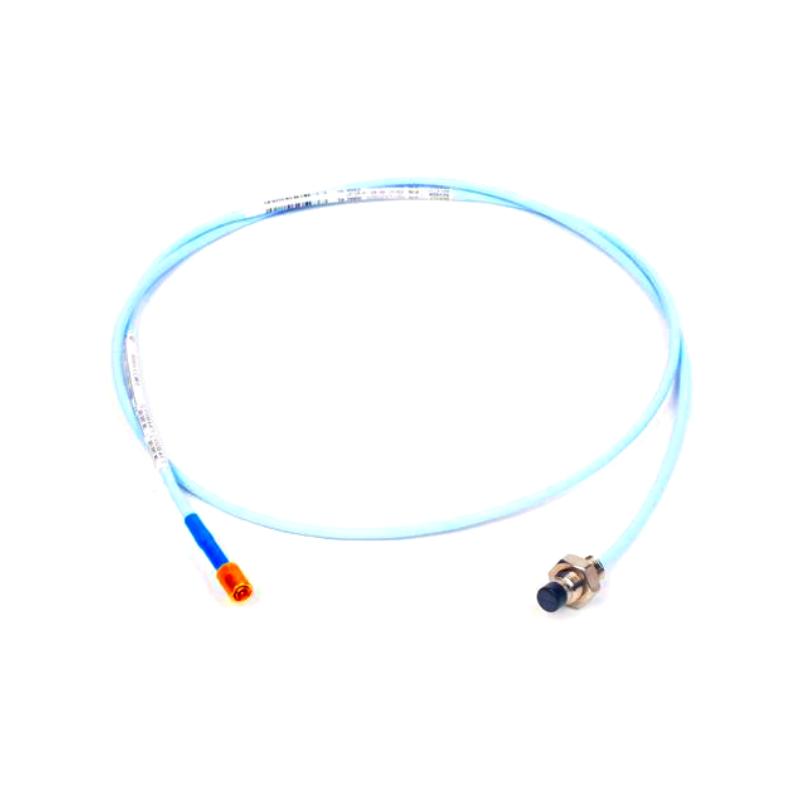
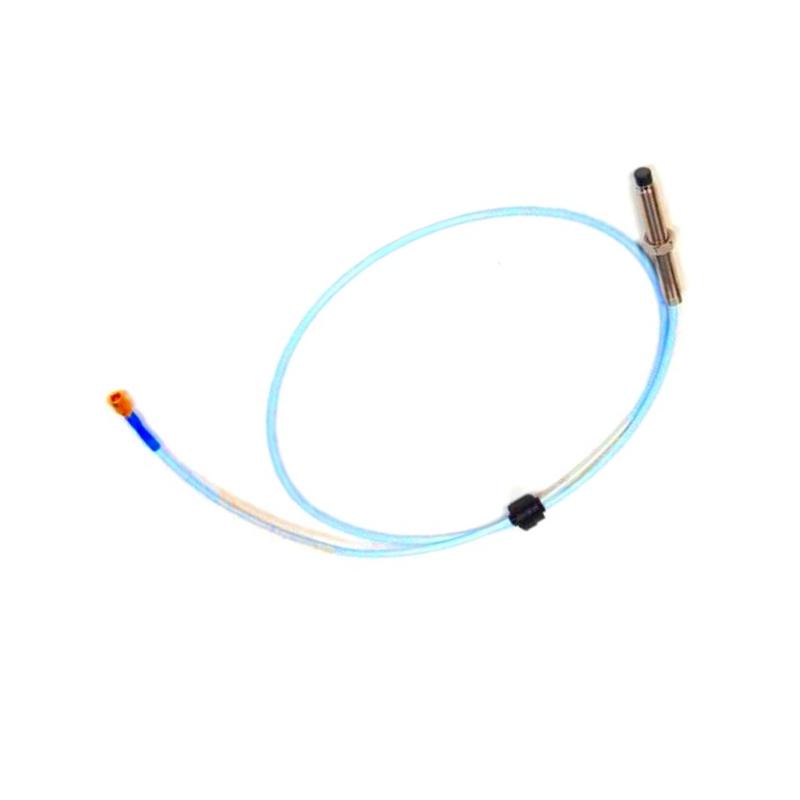
A1: The 330101‑00‑12‑10‑02‑CN model offers a linear measurement range of approximately 2 mm (about 0.25 to 2.3 mm) for shaft displacement monitoring.
Q2: What materials are used in the probe’s construction?
A2: The probe tip is made of PPS plastic for rugged wear resistance, while the housing case is constructed of AISI 303/304 stainless steel for durability and corrosion resistance.
Q3: What is the operating temperature range of this probe?
A3: The standard operating temperature is from –52 °C up to +177 °C, making it suitable for many industrial environments.
Q4: How heavy is the probe and associated cable per metre?
A4: The weight is approximately 0.323 kg per metre of cable plus probe, which must be accounted for in mounting and routing.
Q5: What mounting thread and connector type does this probe use?
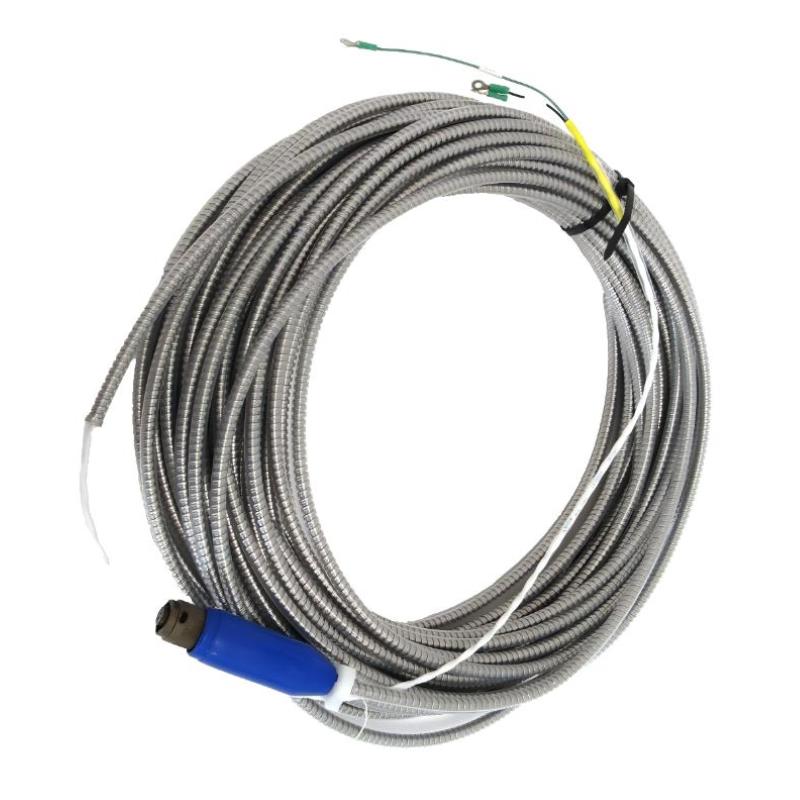
A5: It uses a 3/8‑24 UNF thread for the mounting interface, and a miniature coaxial ClickLoc connector for signal connection.
Q6: Can this probe handle harsh environments with moisture or dust?
A6: Yes, the stainless steel housing and sealing features (such as a Viton® O‑ring) provide protection against moisture, dust and mechanical stress.
Q7: Is this probe compatible with existing monitoring systems?
A7: Yes, it is part of the 3300 XL series and is compatible with monitoring hardware designed for that family of probes, simplifying integration.
Q8: What signal sensitivity should I expect?
A8: The scale factor is approximately 7.87 V/mm (≈200 mV/mil) ±5 %, enabling accurate displacement measurement.
Q9: Does this probe require frequent calibration or maintenance?
A9: The probe is designed for long‑term stable performance. Regular visual inspections and cable/connector checks are recommended, but frequent calibration is generally not needed.
Q10: What are the primary applications for this model?
A10: It is used for shaft vibration and displacement monitoring in rotating equipment—pumps, turbines, compressors, motors—especially where early fault detection and predictive maintenance are important.
Related Products
Copyright @ 2026 Automations
XML|Links:
No:77501