Frequently Asked Questions (QA Format)
Q1: What does the “13” in the model number mean?
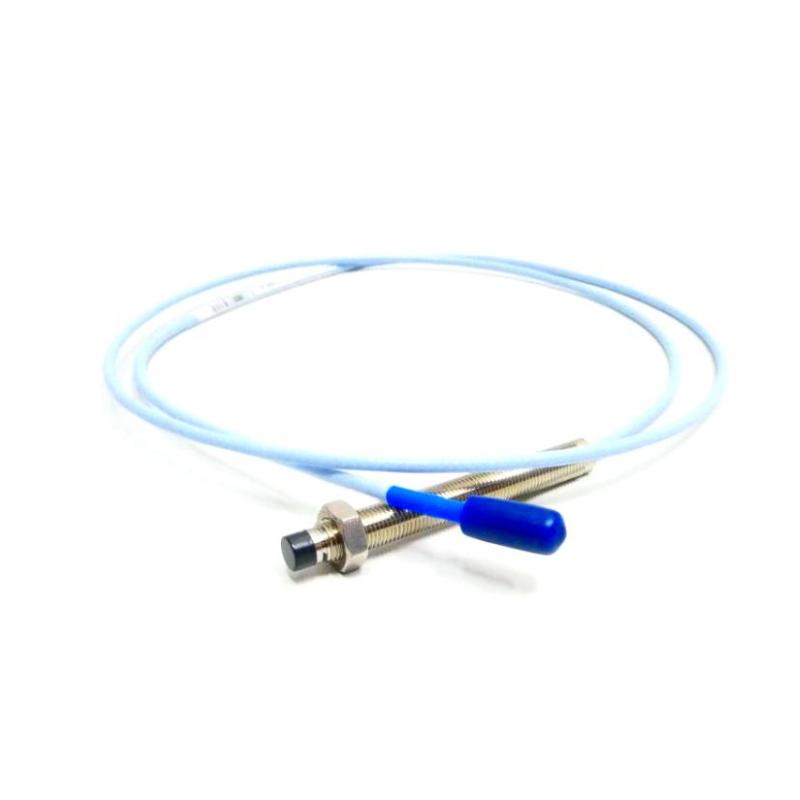
A1: It indicates a somewhat longer case length (≈1.3 inches) relative to the more common “12” models. It may help with mounting or clearance.
Q2: What linear measurement range can I expect?
A2: Approximately 1 mm to 2 mm (40 to 80 mils) of usable linear range is inferred, matching typical 8 mm probes in similar series.
Q3: What is the approximate sensitivity?
A3: Around 7.87 V/mm (≈200 mV/mil) with ±5% tolerance, consistent with the family of 8 mm probes.
Q4: Is this probe certified for hazardous zones?
A4: The suffix “00” suggests no special hazardous area certification; use must be evaluated per application and zone requirements.
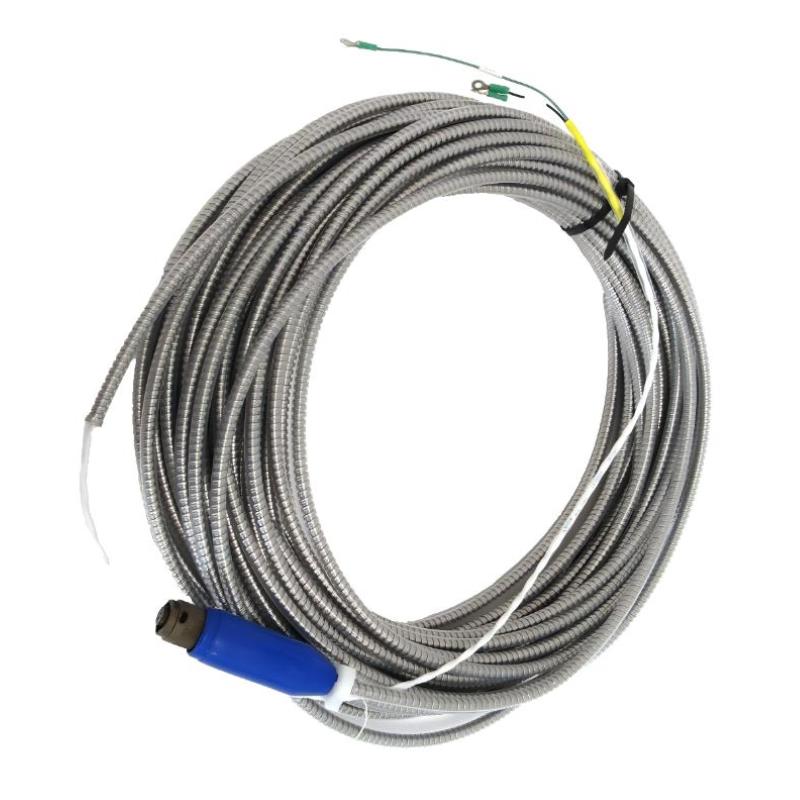
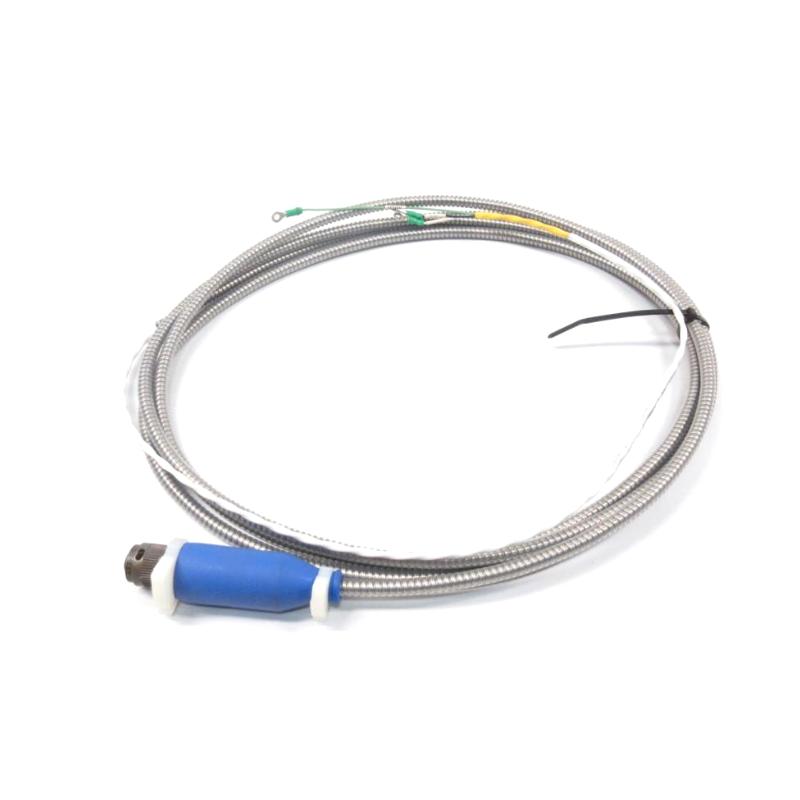
Q5: What is the cable length in this model?
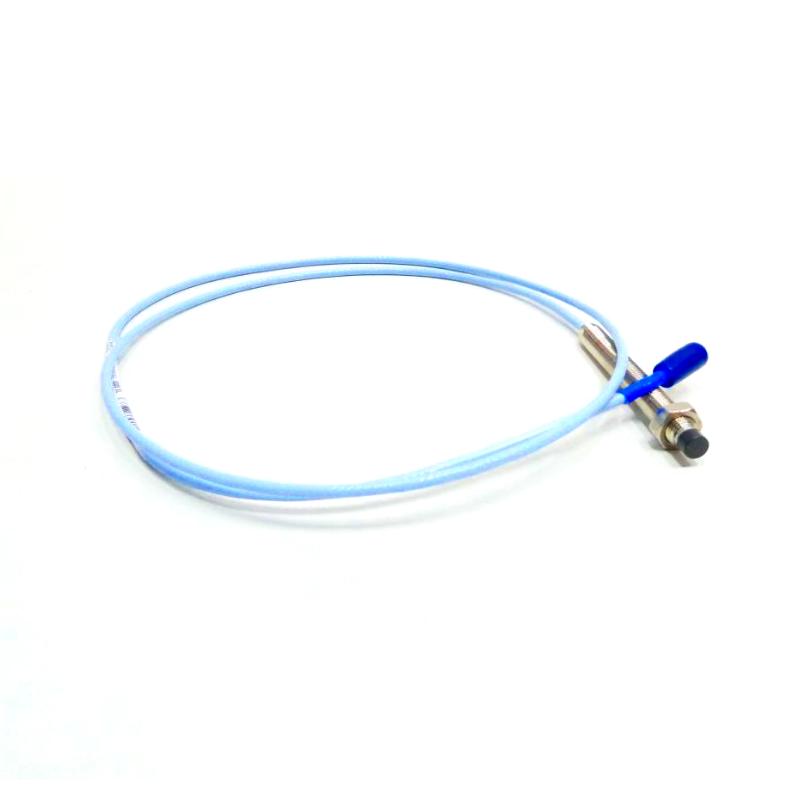
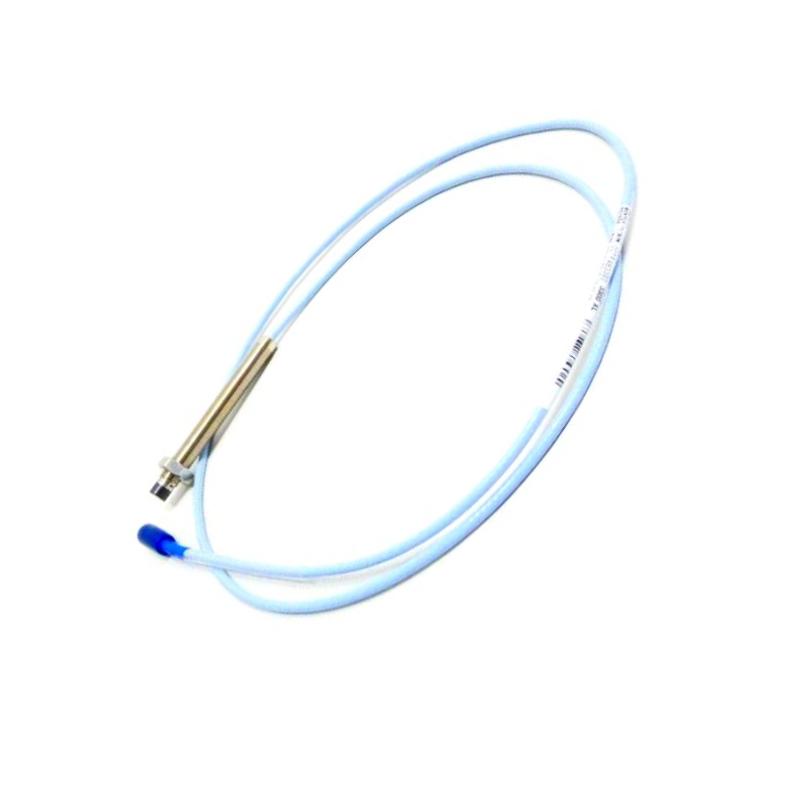
A5: 0.5 meters, as indicated by “05” in the model number code.
Q6: What is the weight including cable?
A6: Approximately 0.18 to 0.25 kg, given a 0.5 m cable; exact mass depends on cable type and insulation.
Q7: What operating temperature range is expected?
A7: –52 °C to +177 °C, aligning with typical 3300 XL probe ratings.
Q8: What materials are used for the body and tip?
A8: Body is stainless steel (303/304 typical); tip is a durable PPS plastic.
Q9: What connector does it use?
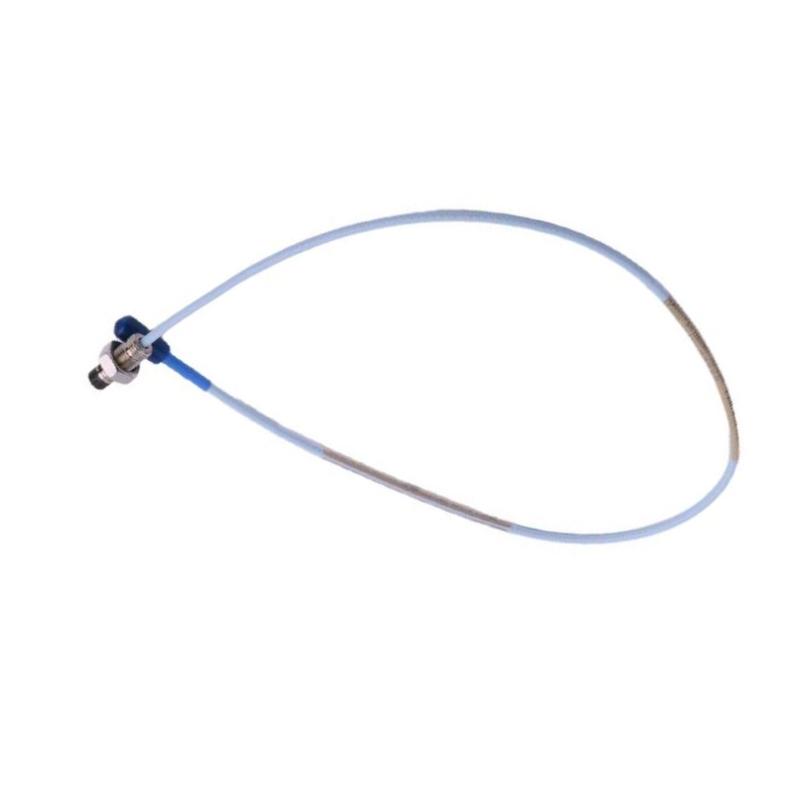
A9: ClickLoc miniature coaxial connector, standard in 3300 XL probes.
Q10: Can I replace it seamlessly in an existing 3300 XL system?
A10: Yes, provided mechanical dimensions and certification meet requirements; it should interface electrically and mechanically with existing modules.
Related Products
Copyright @ 2026 Automations
XML|Links:
No:77501