FAQ (Frequently Asked Questions)
Q1: What is the primary function of the 330101-00-20-10-02-CN sensor?
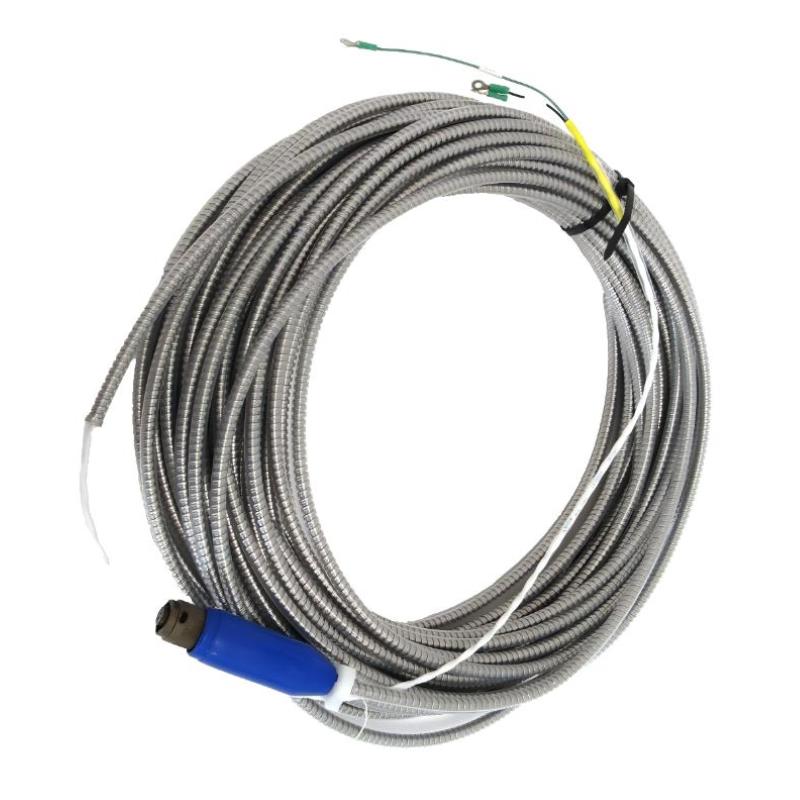
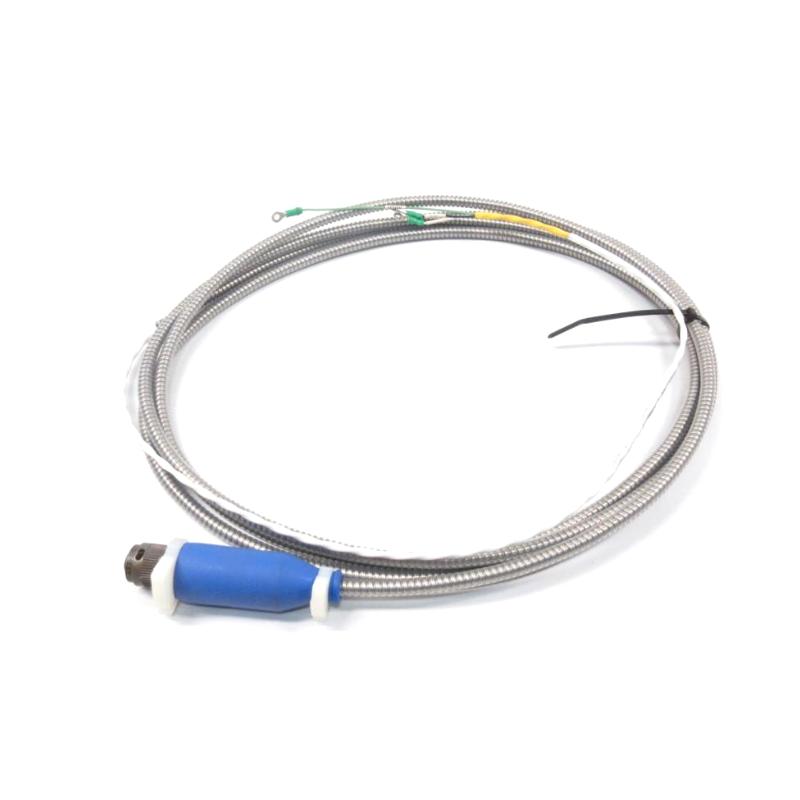
A1: The 330101-00-20-10-02-CN sensor is designed to monitor vibrations in rotating machinery. It detects early signs of mechanical issues such as misalignment, imbalance, or bearing wear, helping to prevent costly breakdowns.
Q2: Can this sensor be used in harsh environments?
A2: Yes, the 330101-00-20-10-02-CN sensor is built to withstand extreme conditions, with an operating temperature range of -40°C to 85°C, making it suitable for use in harsh industrial environments.
Q3: What output does this sensor provide?
A3: The sensor provides a 4-20 mA analog output, which is compatible with most existing monitoring systems for easy integration and continuous real-time monitoring.
Q4: What types of machinery can be monitored with this sensor?
A4: The 330101-00-20-10-02-CN is used for monitoring various types of rotating machinery, including turbines, compressors, motors, and pumps in industries such as power generation, oil & gas, and manufacturing.
Q5: What is the weight of the 330101-00-20-10-02-CN sensor?
A5: The sensor weighs approximately 0.47 kg, making it compact and lightweight for easy installation and maintenance.
Q6: What is the frequency response range of this sensor?
A6: The frequency response of the 330101-00-20-10-02-CN sensor ranges from 10 Hz to 10 kHz, allowing it to capture a wide range of vibrations from machinery.
Q7: How accurate is this sensor?
A7: The 330101-00-20-10-02-CN sensor provides highly accurate vibration measurements with a range of 0-200 mils, ensuring early detection of faults and reliable monitoring of machine health.
Q8: Is this sensor easy to install?
A8: Yes, the sensor features a threaded mounting design, making it easy to install on rotating machinery with minimal downtime.
Q9: How does this sensor contribute to predictive maintenance?
A9: By continuously monitoring vibrations and providing real-time data, the 330101-00-20-10-02-CN sensor enables operators to detect potential issues before they lead to failures, thus minimizing unplanned downtime and costly repairs.
Q10: What industries commonly use this sensor?
A10: This sensor is widely used in industries such as power generation, oil & gas, manufacturing, mining, and water treatment, where machinery reliability is crucial to operational success.
Related Products
Copyright @ 2026 Automations
XML|Links:
No:77501