FAQ (Frequently Asked Questions)
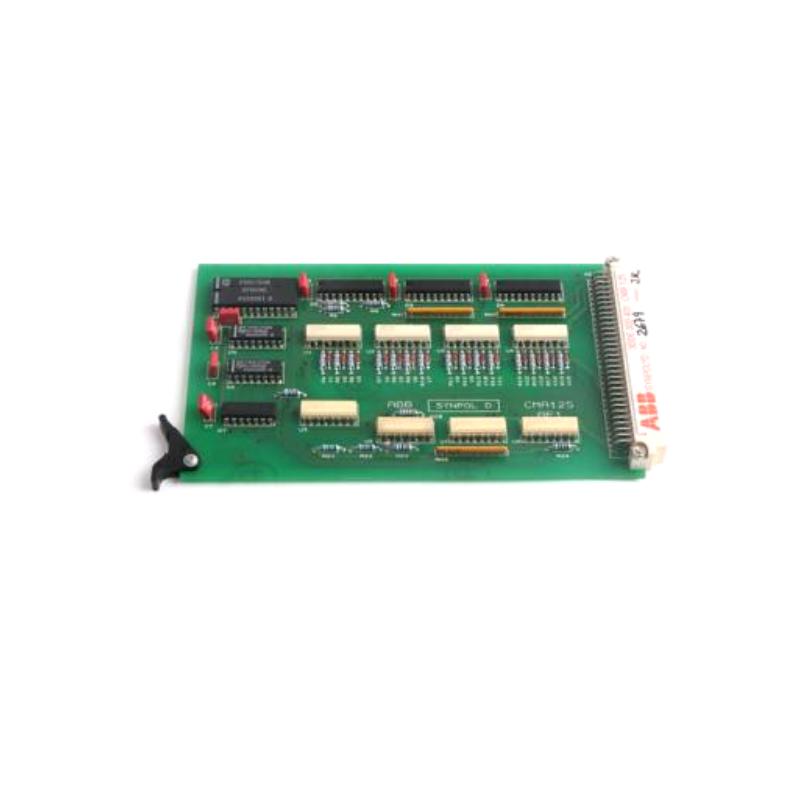
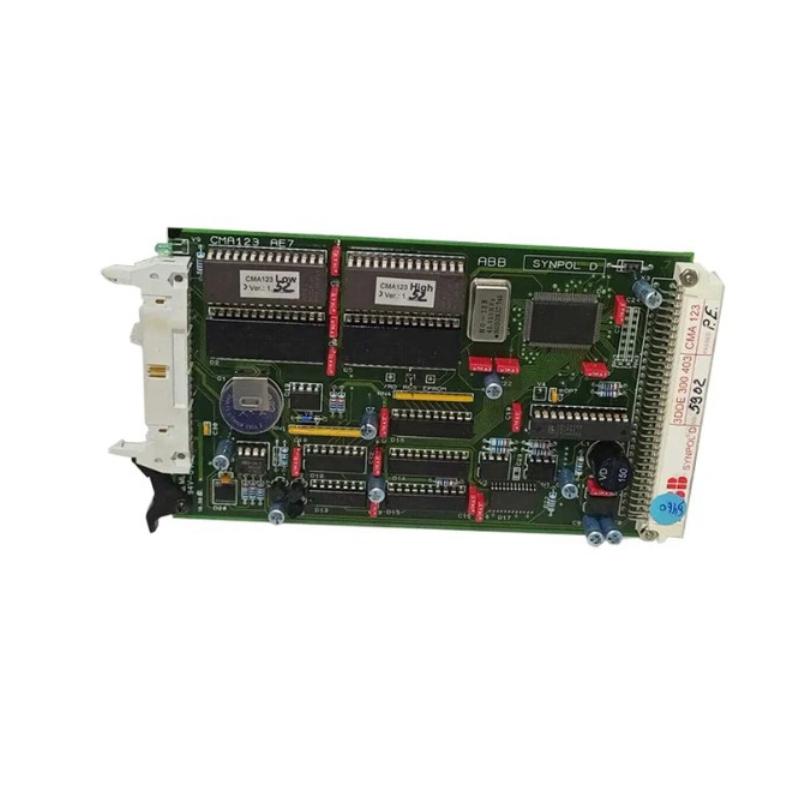
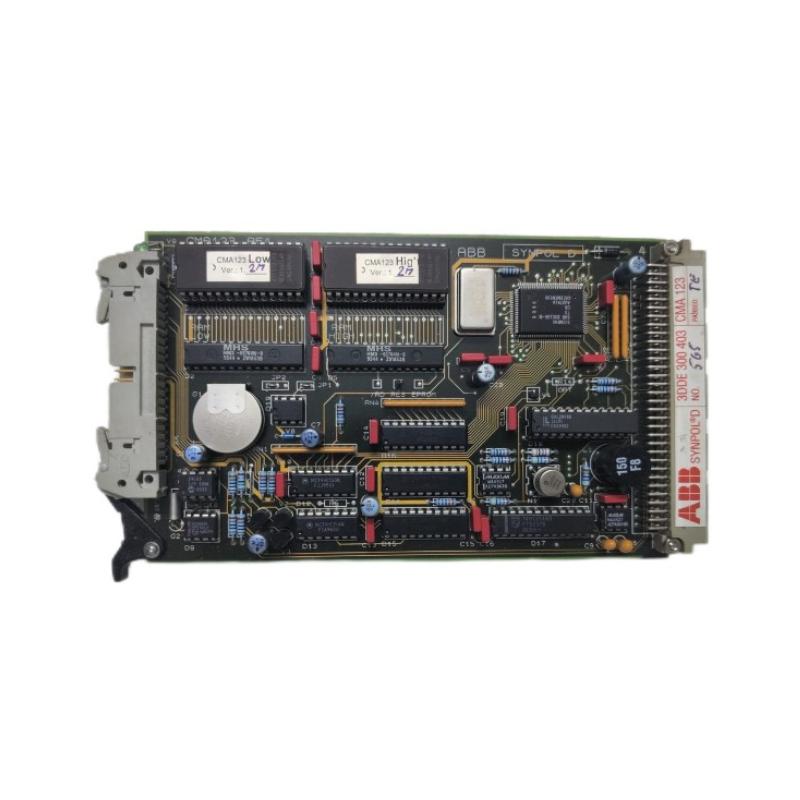
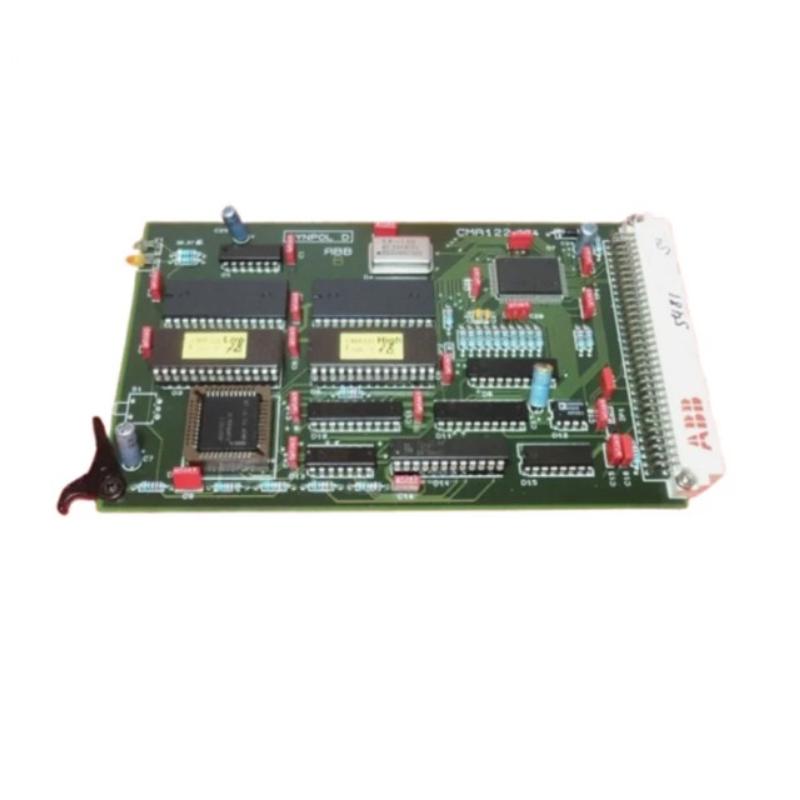
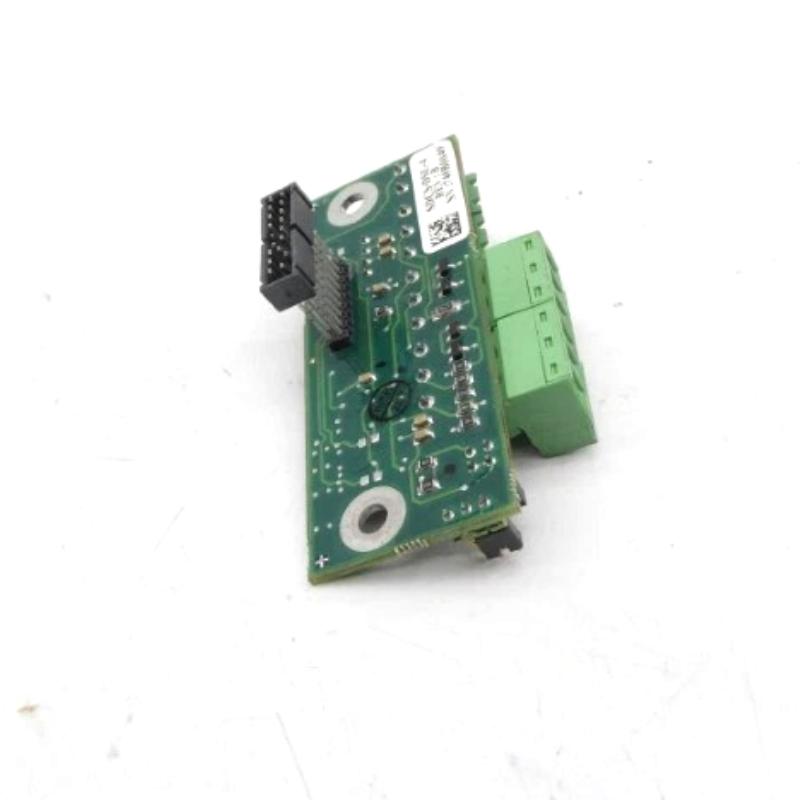
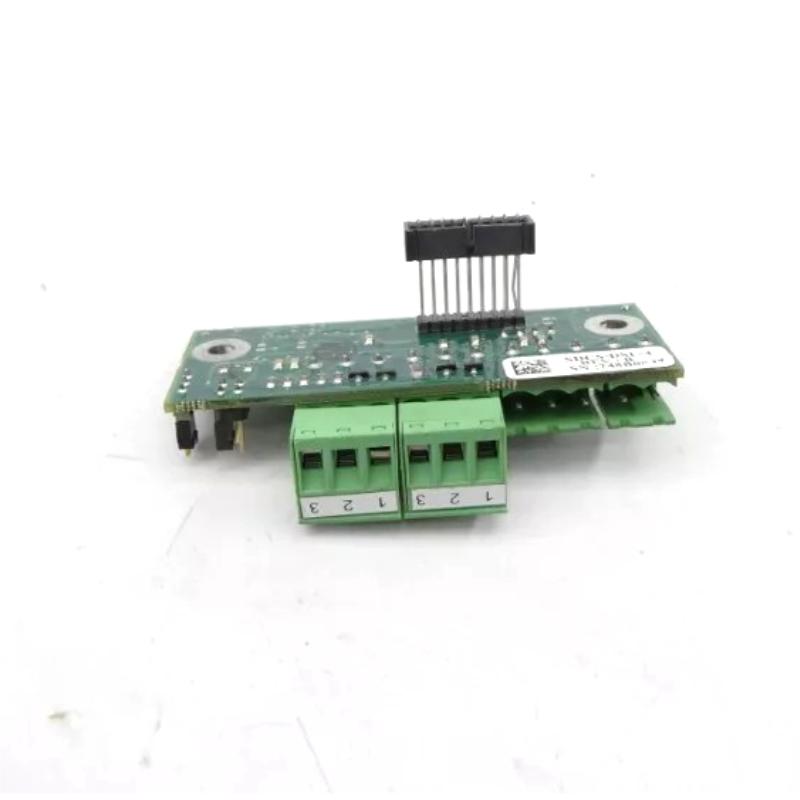
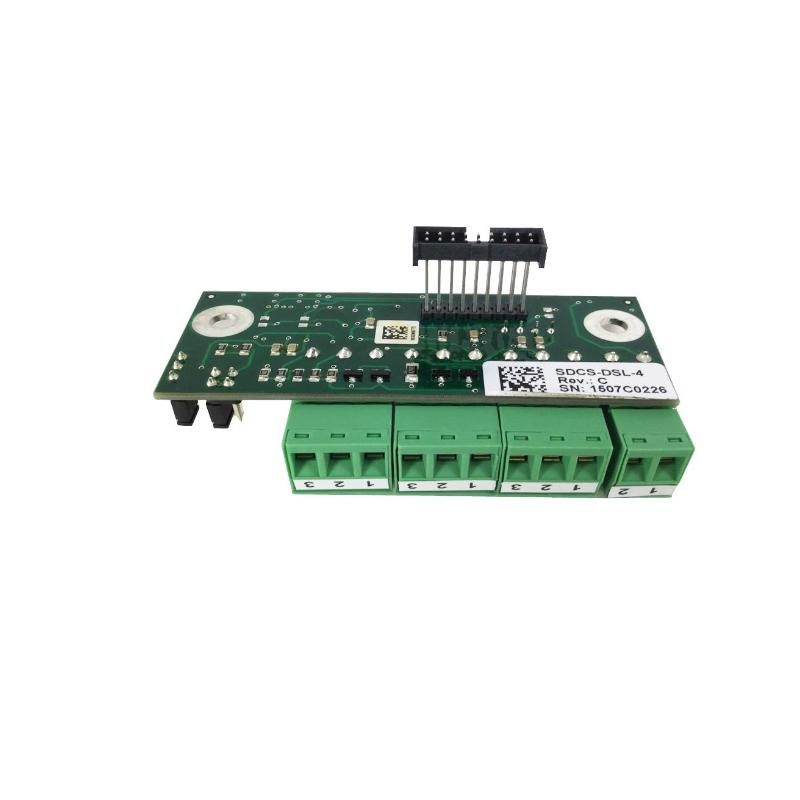
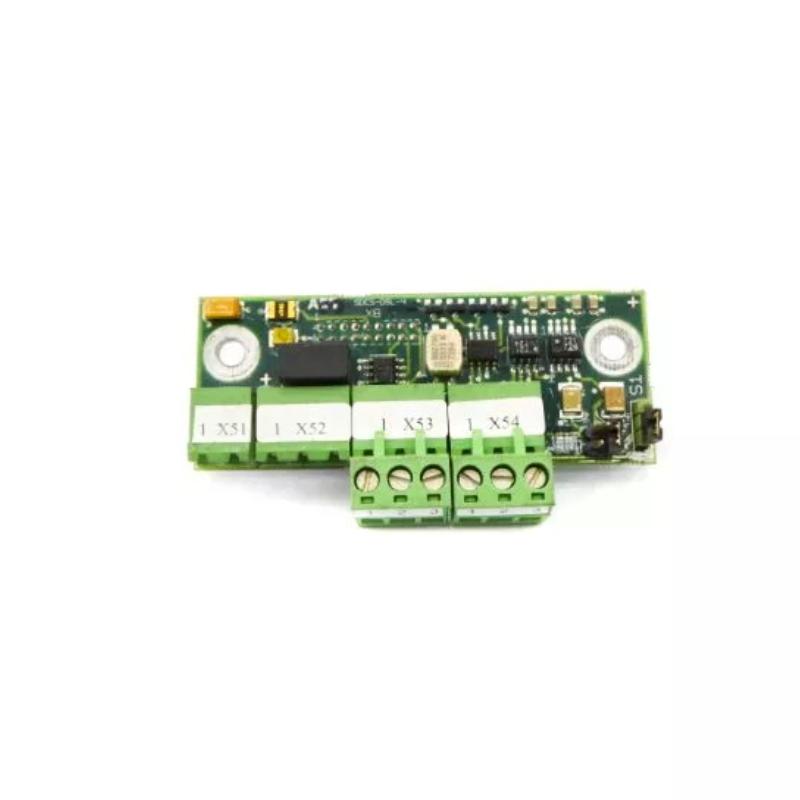
Q1: What is the primary role of the SDCS‑DSL‑4 board?
A1: It functions as the serial communication interface board, linking drive modules and enabling drive‑to‑drive or drive‑to‑exciter communication.
Q2: Which drive systems is it compatible with?
A2: It is used within ABB’s DCS drive architecture, specifically in modular drive setups requiring serial communication (e.g., DCS800 systems).
Q3: What is the control supply voltage for the board?
A3: The board operates with a nominal logic/control supply of 24 V DC.
Q4: Can this board support field exciter communication?
A4: Yes, one of its functions is to link the armature converter to the field exciter via serial communication.
Q5: What is the approximate weight of the board?
A5: The board weighs about 0.20 kg.
Q6: What are typical dimensions of the board?
A6: Typically around 150 mm (height) × 110 mm (width) × 125 mm (depth).
Q7: What kind of environments can the board operate in?
A7: It is suitable for industrial automation environments, with operating temperatures around 0 °C to +55 °C and relative humidity up to 95% non‑condensing.
Q8: How does the board benefit a drive system?
A8: It ensures reliable communication, enables synchronized drive operation, supports master‑follower configurations, and enhances diagnostics, thereby improving system availability.
Q9: Is this board suitable for retrofit applications?
A9: Yes — due to its modular nature, it can be used to upgrade existing drive systems to improve communication and control.
Q10: What are the key advantages of using SDCS‑DSL‑4 over generic communication boards?
A10: The board is specifically engineered for drive module communication, offers integration into the DCS modular rack architecture, is compact and lightweight, and supports industrial usage with long lifecycle expectancy.
Related Products
Copyright @ 2026 Automations
XML|Links:
No:77501