FAQ (Frequently Asked Questions)
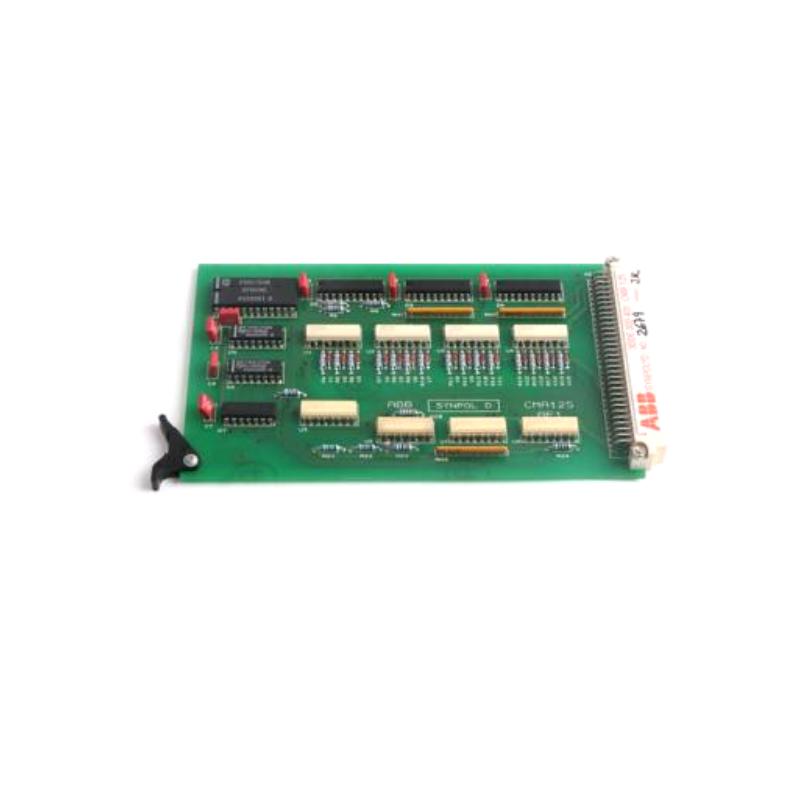
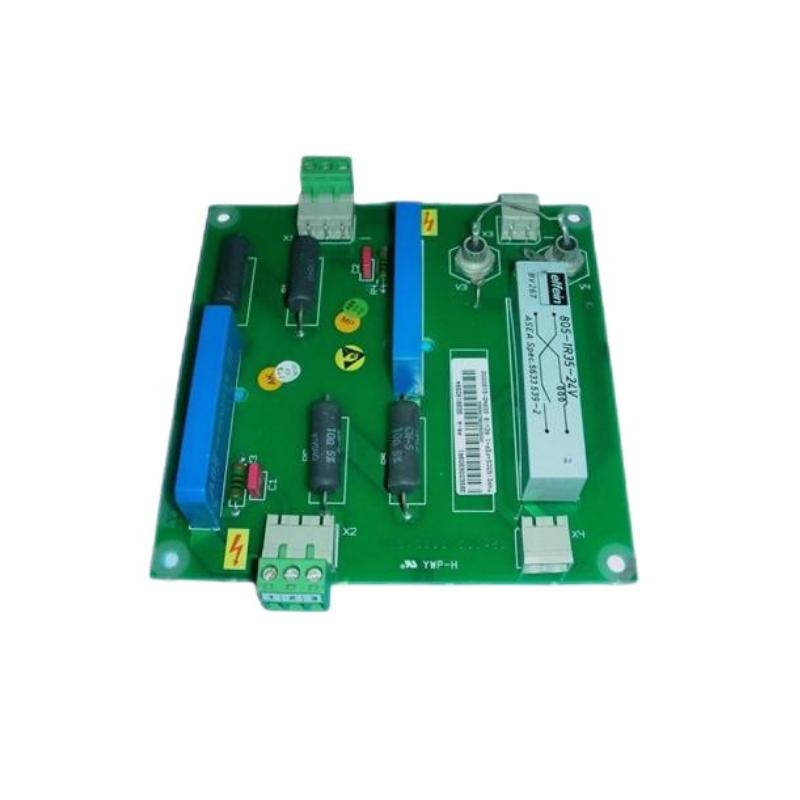
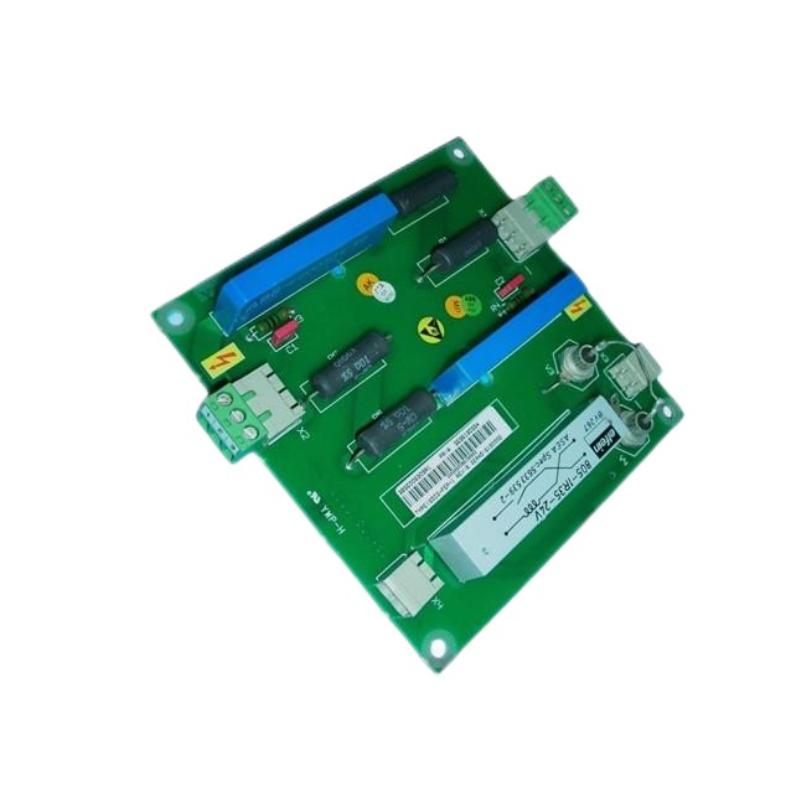
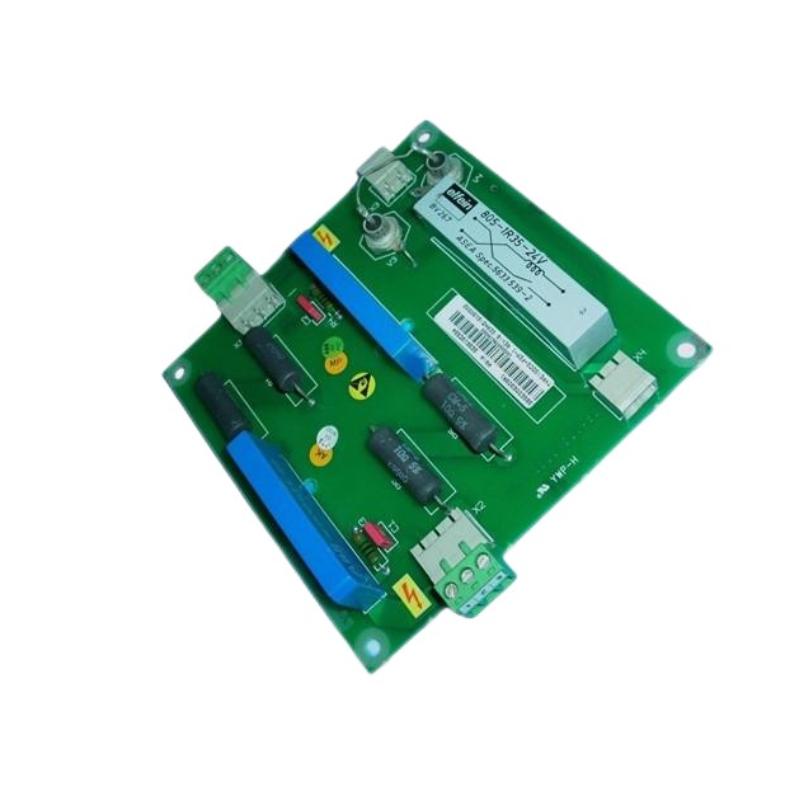
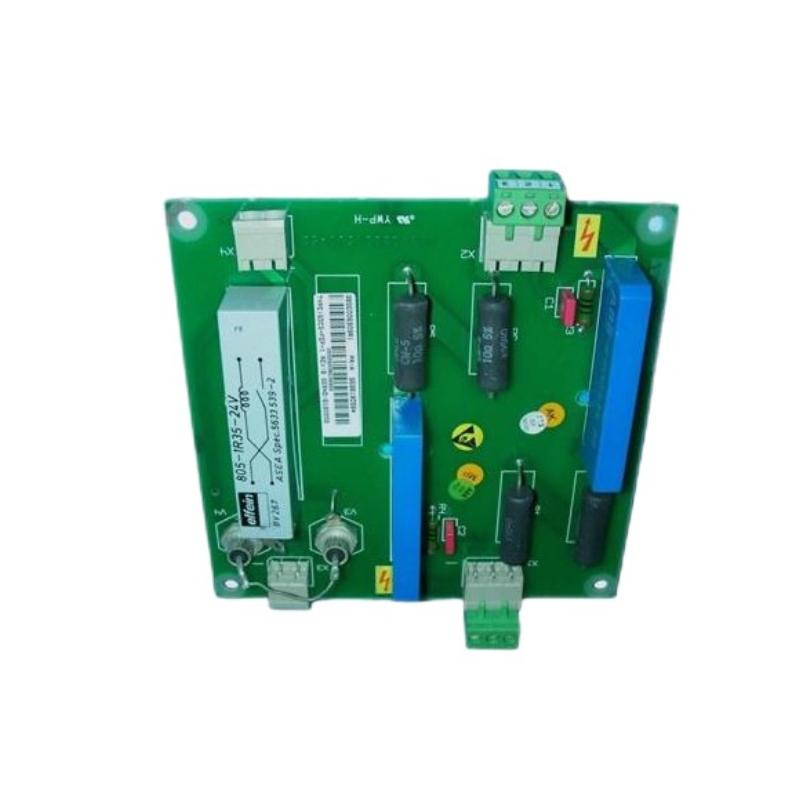
Q1: What is the main function of the SDCS‑FEP‑1 board?
A1: It serves as a dedicated protection and trigger module in drive systems, monitoring over‑voltage or fault conditions and initiating protective response.
Q2: Which voltage level is this board designed for?
A2: It is designed for drive systems up to approximately 500 V line‑voltage (IEC), as indicated by the FEP‑1 variant.
Q3: Where is this board typically installed?
A3: It is mounted inside the drive control rack, often adjacent to converter modules or field‑exciter boards, as part of the protection subsystem.
Q4: What are typical environmental conditions for installation?
A4: It is suitable for operating temperatures around 0 °C to +55 °C, and storage temperatures down to ‑25 °C up to +70 °C, with humidity tolerance of 5%–95% non‑condensing.
Q5: What is the size and weight of the board?
A5: The board dimensions are approximately 342 mm × 16 mm × 75 mm in some configurations, and weight is nominally very low, though full assemblies may show ~8 kg in documentation.
Q6: Can this board be used for higher voltage systems?
A6: For higher voltage drive systems (e.g., up to ~690 V), the variant SDCS‑FEP‑2 is recommended instead of FEP‑1.
Q7: What are the advantages of using this protection board?
A7: It offers fast fault detection, modular installation, high reliability and integration with the DCS drive platform, reducing downtime and improving system safety.
Q8: Is this board compatible with other modules in the DCS series?
A8: Yes, it integrates with the drive‑control rack of the DCS series and is designed to work alongside other modules like control logic, excitation boards and communication boards.
Q9: How does the board contribute to drive system maintenance?
A9: By offering built‑in fault‑trigger capability and modular replacement ability, the board simplifies maintenance, improves fault localization and reduces lifecycle cost.
Q10: What industries commonly use this board?
A10: It is used in heavy‑industry sectors such as steel, mining, process plants, marine propulsion, power generation and large‑scale automation where modular drive protection is required.
Related Products
Copyright @ 2026 Automations
XML|Links:
No:77501