FAQ (10 QA)
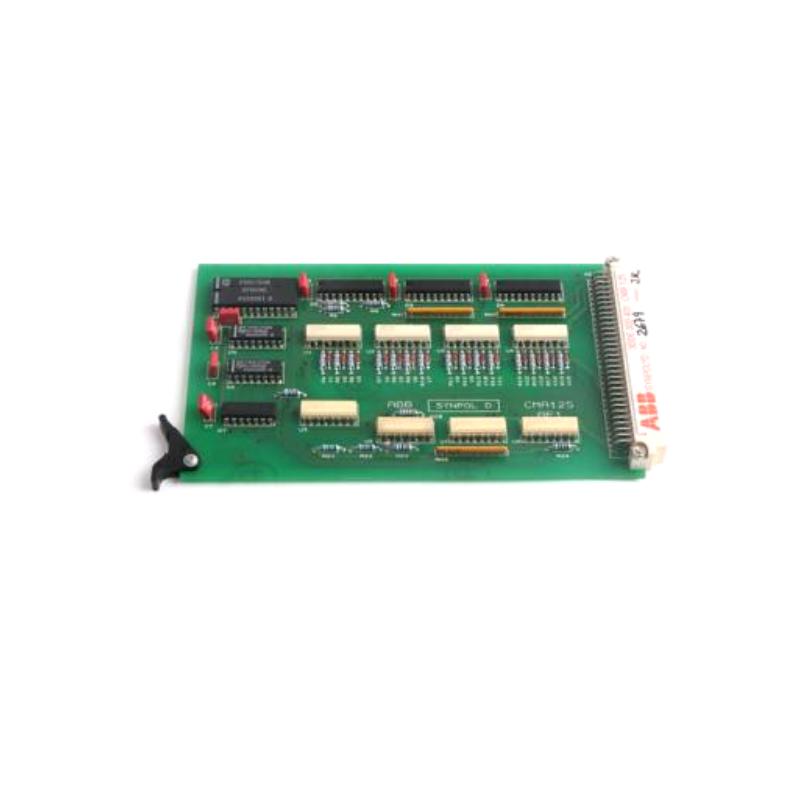
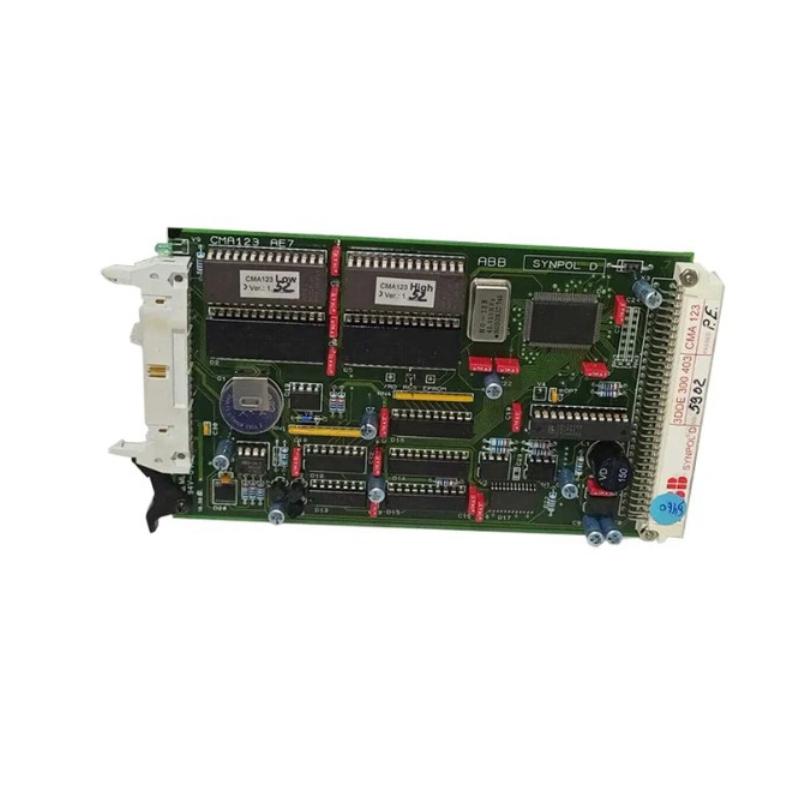
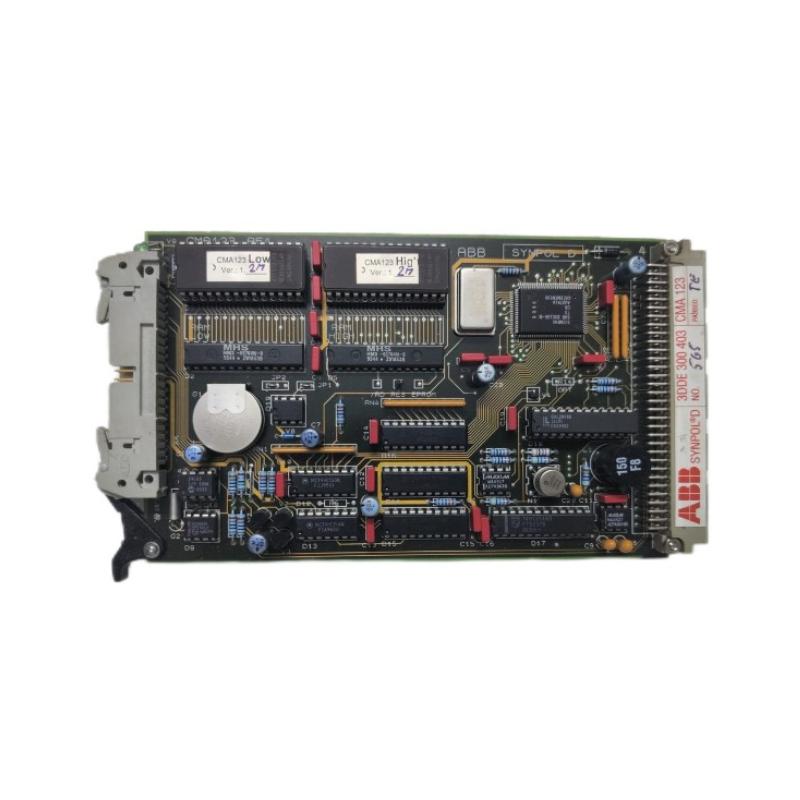
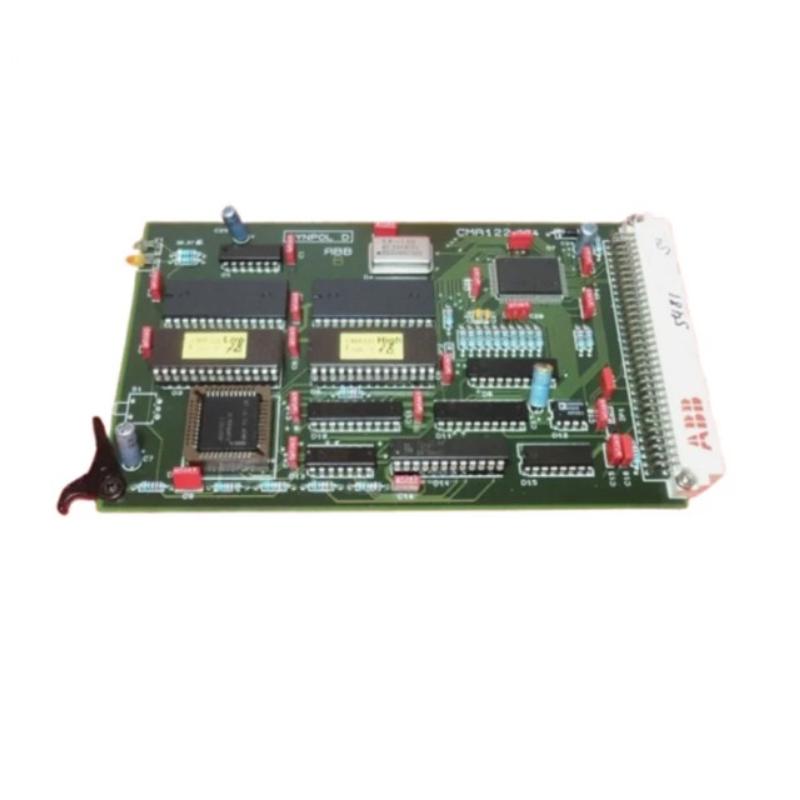
Q1: What is the main purpose of the SDCS‑FEX‑31 board?
A1: It serves to regulate the rotor/field excitation current in synchronous machines or DC drives, ensuring machine stability and precise control.
Q2: What systems is it designed for?
A2: It is designed for integration in ABB’s DCS drive systems, especially in large DC drives or synchronous machine control racks with modular architecture.
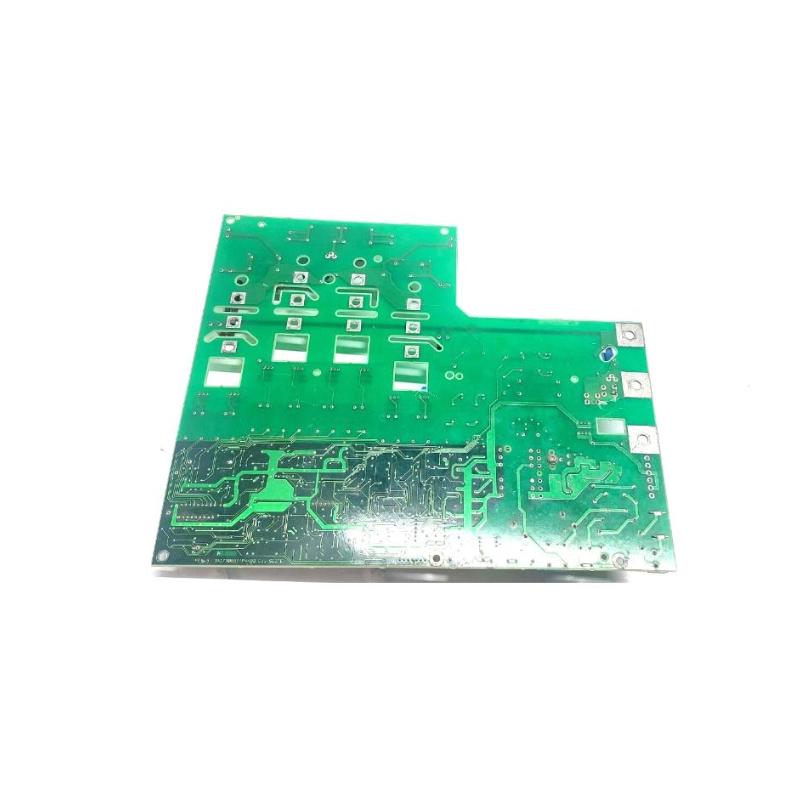
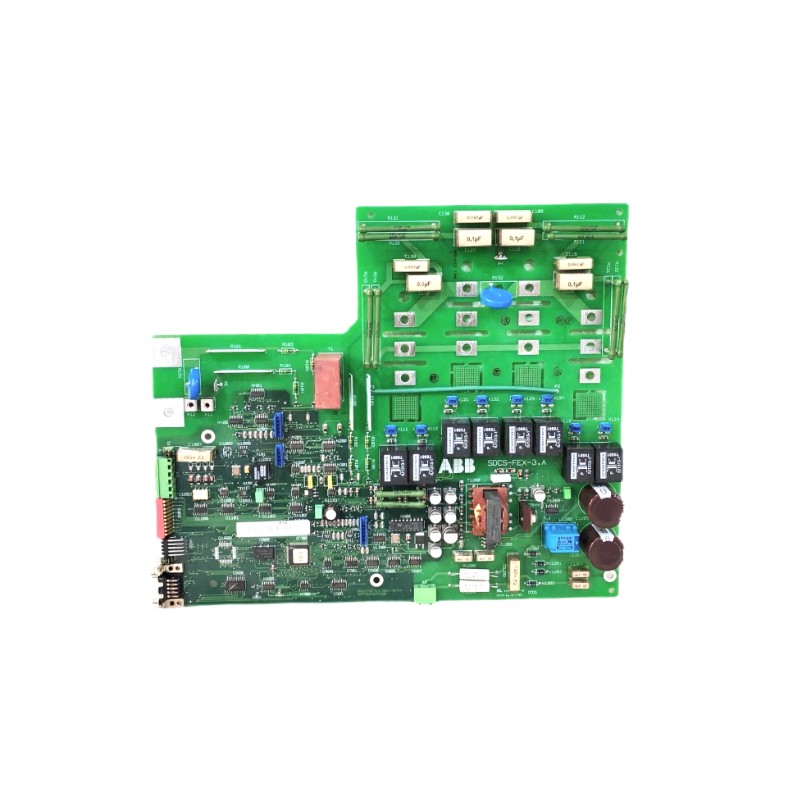
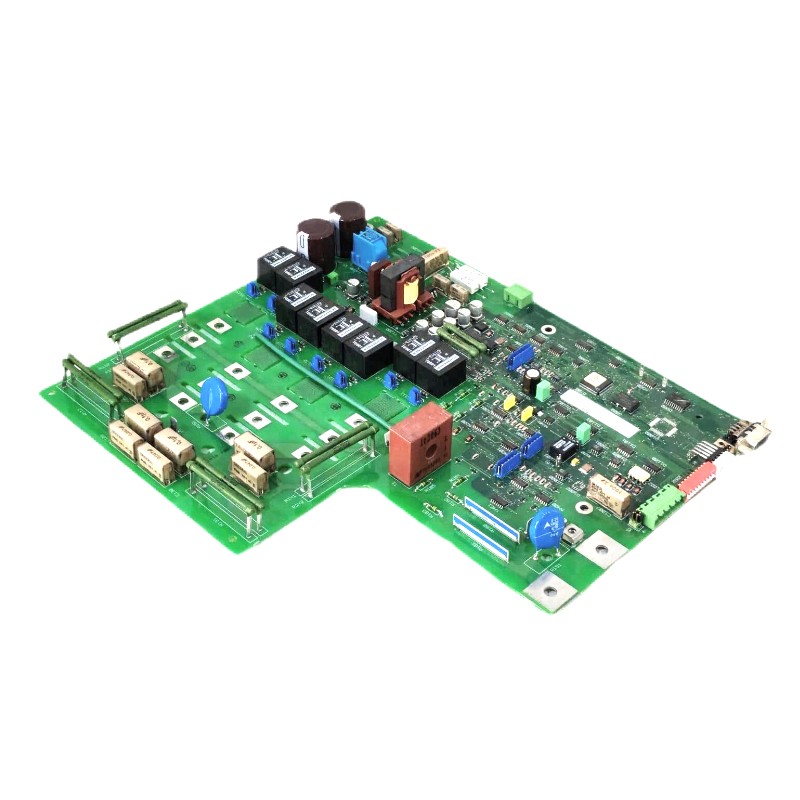
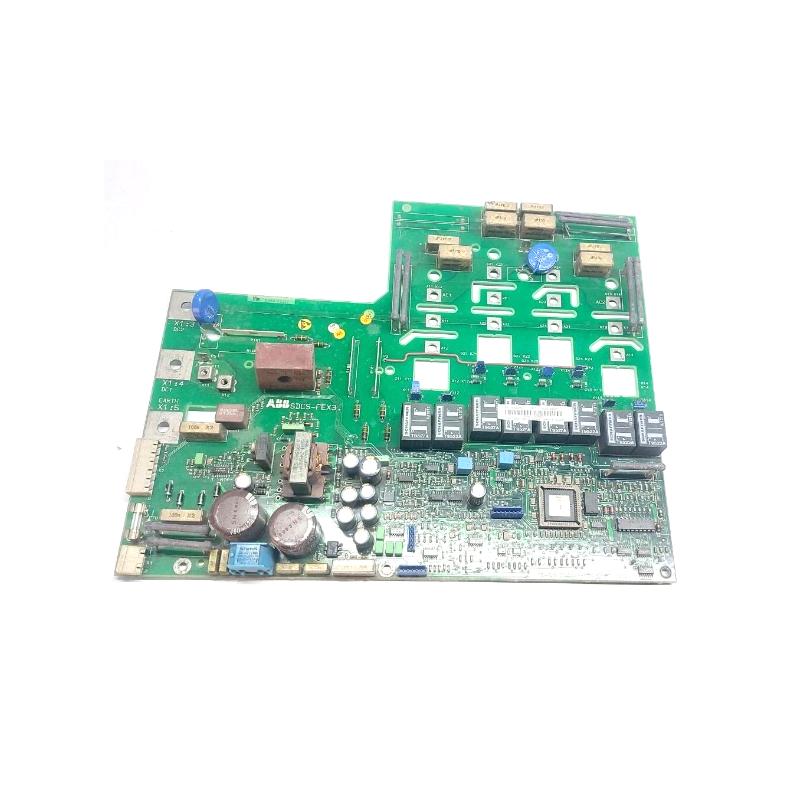
Q3: What approximate dimensions and weight does it have?
A3: The board measures roughly 205 mm × 140 mm × 38 mm and weighs about 0.32 kg.
Q4: What field voltage and current capability does it support?
A4: It supports field voltages up to ~500 V DC and field currents up to ~40 A (depending on cooling and system configuration).
Q5: How does the modular design benefit service and maintenance?
A5: The plug‑in module design allows fast replacement, simplified spare‑parts management and minimal system downtime in service operations.
Q6: What advanced features does this variant provide compared to earlier FEX boards?
A6: It offers higher current/voltage capability, improved diagnostics, enhanced protection functions and better integration within modern drive racks.
Q7: Can this board be used in marine or offshore applications?
A7: Yes — its compact, modular, industrial‑grade design makes it suitable for marine/offshore drive systems where space and reliability are critical.
Q8: What environmental conditions can it operate in?
A8: It is designed for industrial environments with operating temperatures approximately 0 °C to +55 °C, and storage down to ‑25 °C, with high tolerance to humidity.
Q9: What are the key advantages in a drive system when using this board?
A9: It improves machine stability, reduces maintenance, enhances diagnostics, simplifies integration and lowers total cost of ownership.
Q10: What should be verified when replacing this board in a system?
A10: Verify slot compatibility in the drive rack, correct field voltage/current capacity, cooling conditions, firmware/control logic compatibility with associated modules (CON/POW) and correct wiring.
Related Products
Copyright @ 2026 Automations
XML|Links:
No:77501