FAQ (Frequently Asked Questions)
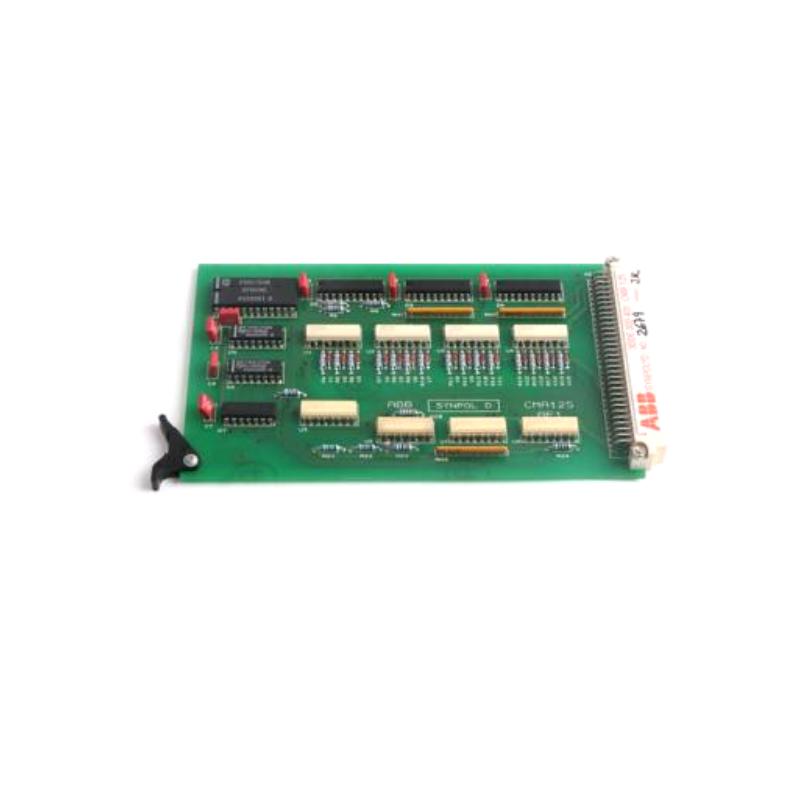
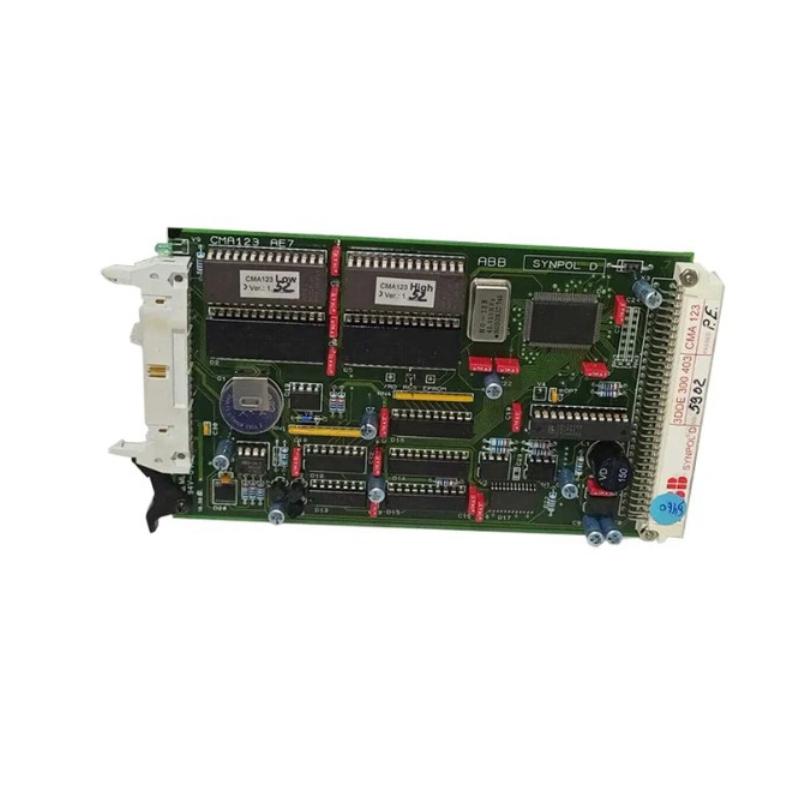
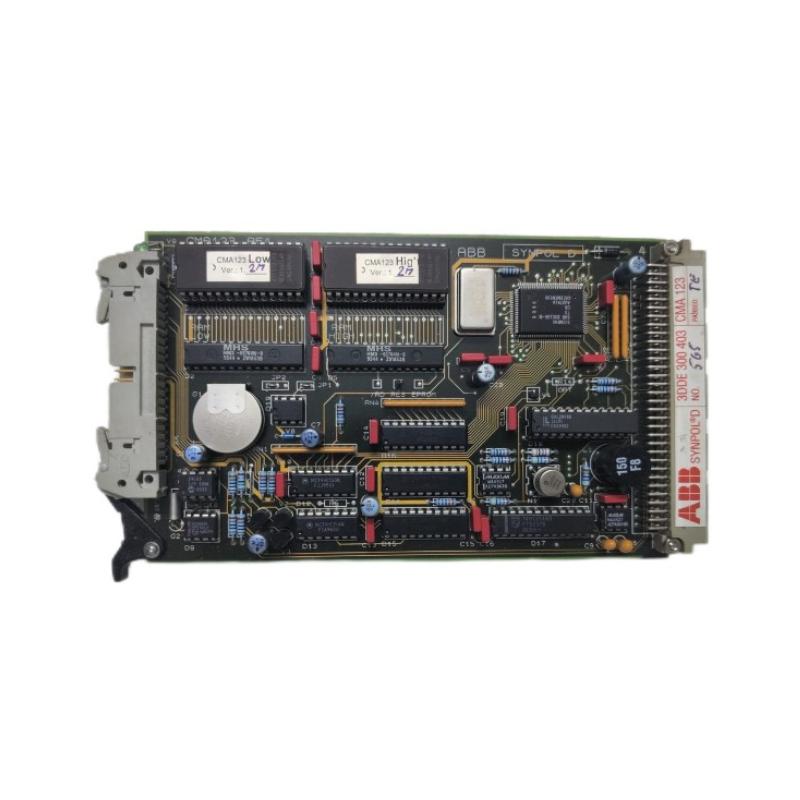
Q1: What is the main function of the SDCS‑PIN‑205A board?
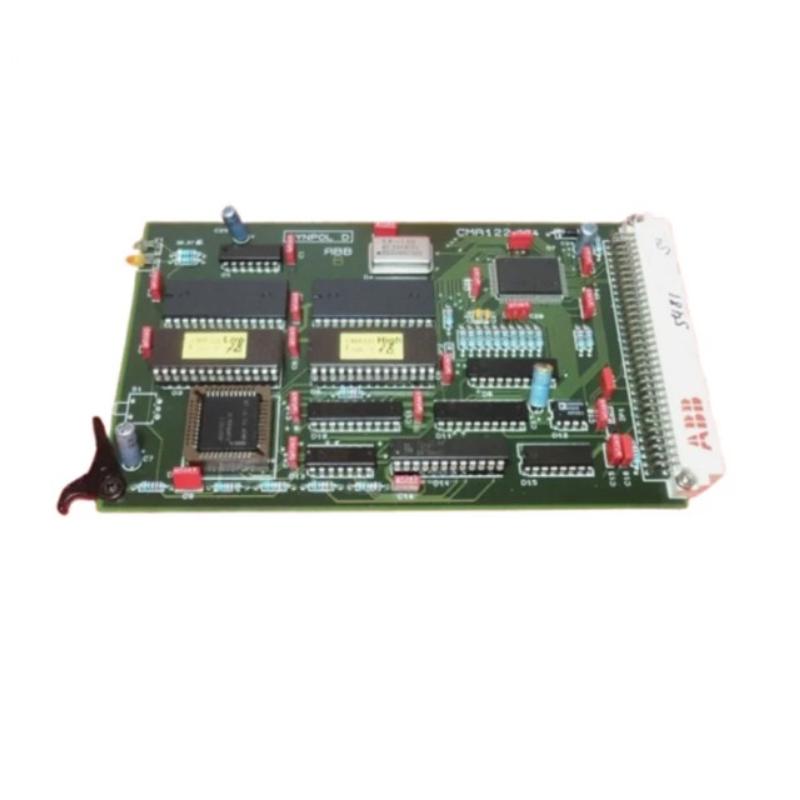
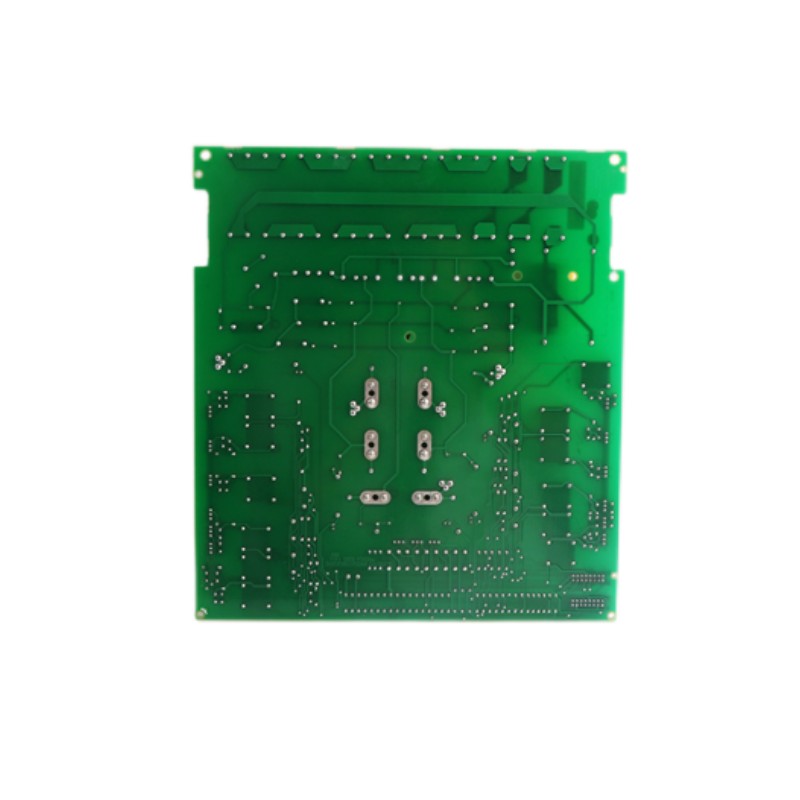
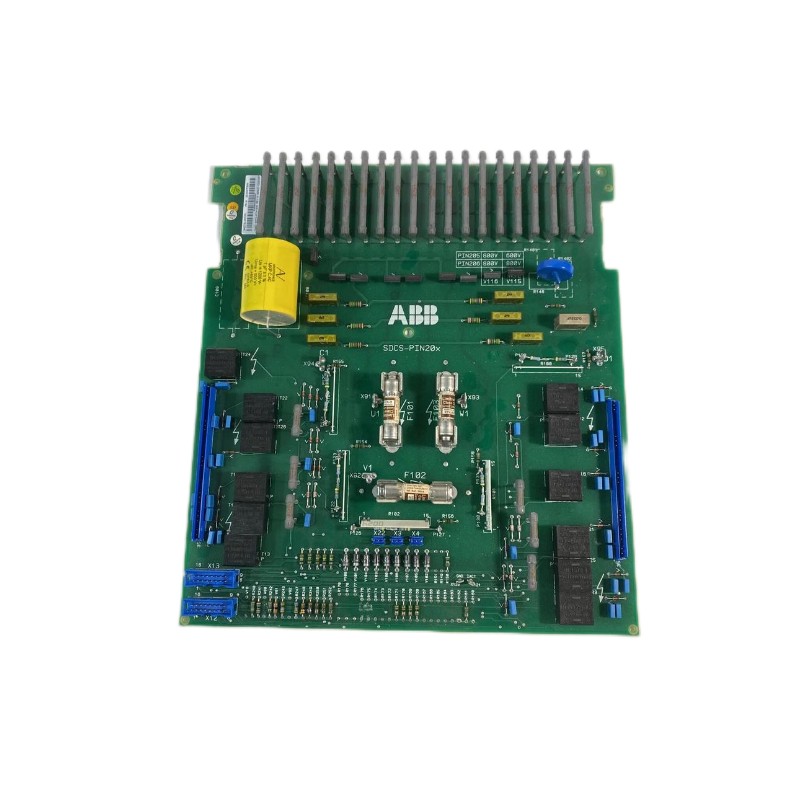
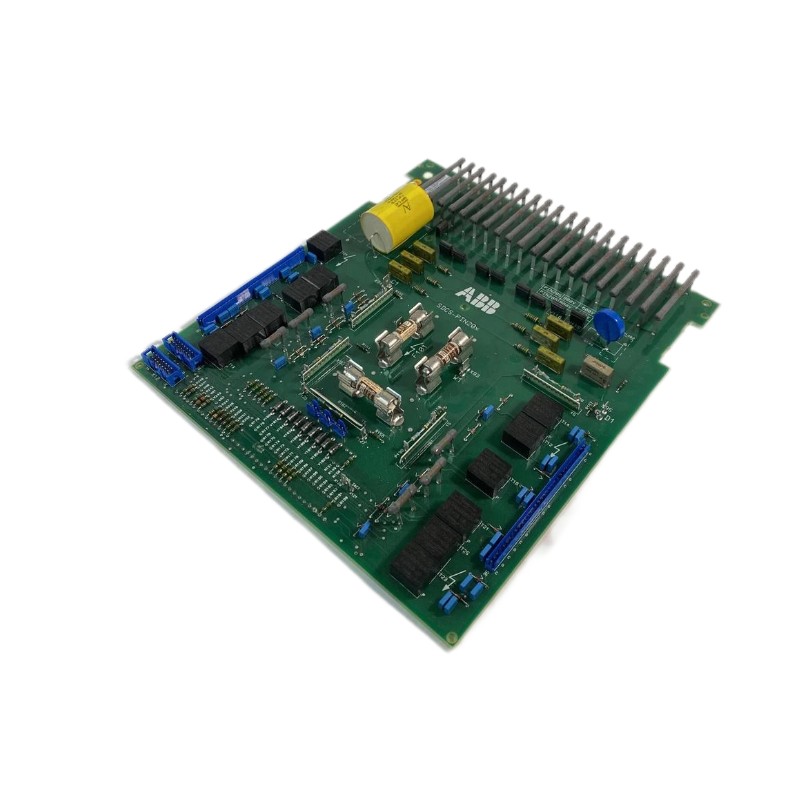
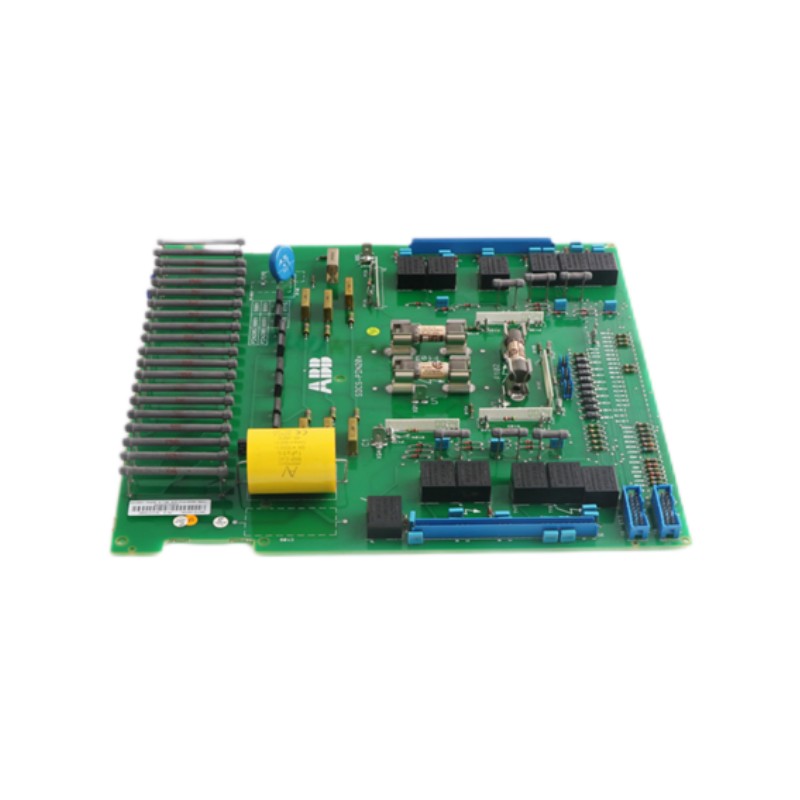
A1: It serves as the power interface board within a modular drive system, connecting high‑power converter modules to control electronics, including measurement and snubber circuits.
Q2: What size and weight is the module?
A2: The board measures approximately 203 mm × 635 mm × 330 mm and weighs about 3.0 kg.
Q3: What converter current range is this board compatible with?
A3: According to service documentation, the PIN‑205A is compatible with converter modules rated approximately 100 A ≤ IDC ≤ 520 A for UAC 400/500 V.
Q4: What temperature conditions can this board withstand?
A4: Typical operating temperature range is around ‑25 °C up to +60 °C, suitable for industrial cabinet use.
Q5: Can this board be used as a spare part for multiple drives?
A5: Yes — because of its standardised form factor and compatibility across multiple converter ratings, it is often stocked as a service spare.
Q6: How does the board help reduce downtime?
A6: By allowing rapid replacement of the interface board rather than the entire drive converter assembly, service time and cost are significantly reduced.
Q7: Is the PIN‑205A suitable for retrofit of older drive systems?
A7: Yes — in many cases the board can serve as a replacement for older interface boards in legacy installations, provided mechanical/electrical compatibility is confirmed.
Q8: What maintenance strategy is facilitated by this board?
A8: Stocking the board as a spare, using standard modules across multiple units, and enabling modular replacement support the “spare‑board” maintenance strategy.
Q9: Are there simpler versions of the interface board for smaller converter ratings?
A9: Yes — for lower converter current ranges, boards like the PIN‑21 or earlier variants may be used; the service manual provides compatibility charts.
Q10: Why is the board larger and heavier than standard I/O modules?
A10: Because it handles high‑power converter interface duties — including snubber networks, measurement circuits, heavy copper traces and insulation — the size and weight are greater compared to logic or I/O boards.
Related Products
Copyright @ 2026 Automations
XML|Links:
No:77501