FAQ
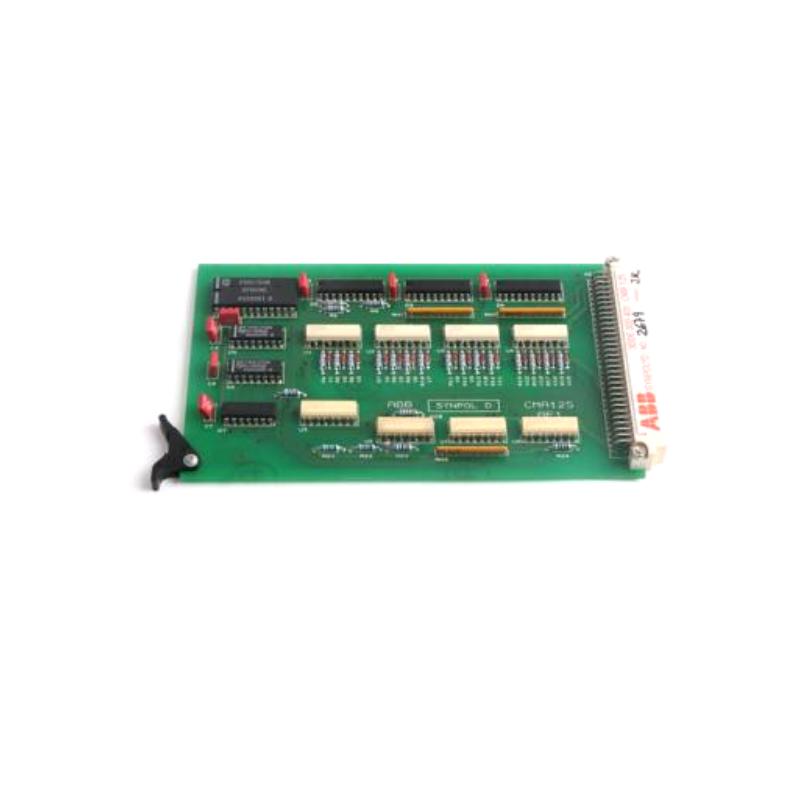
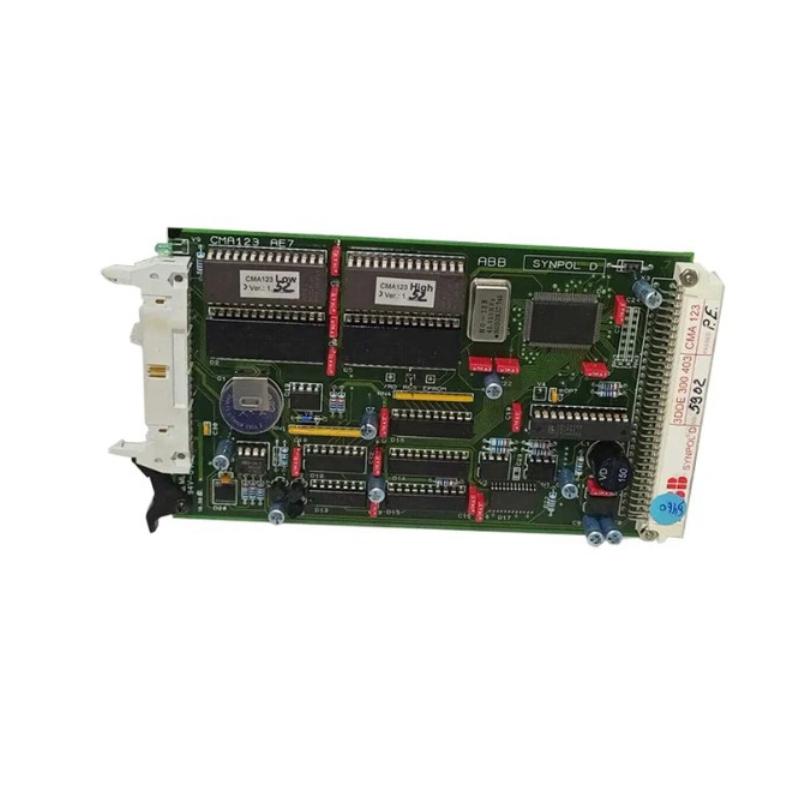
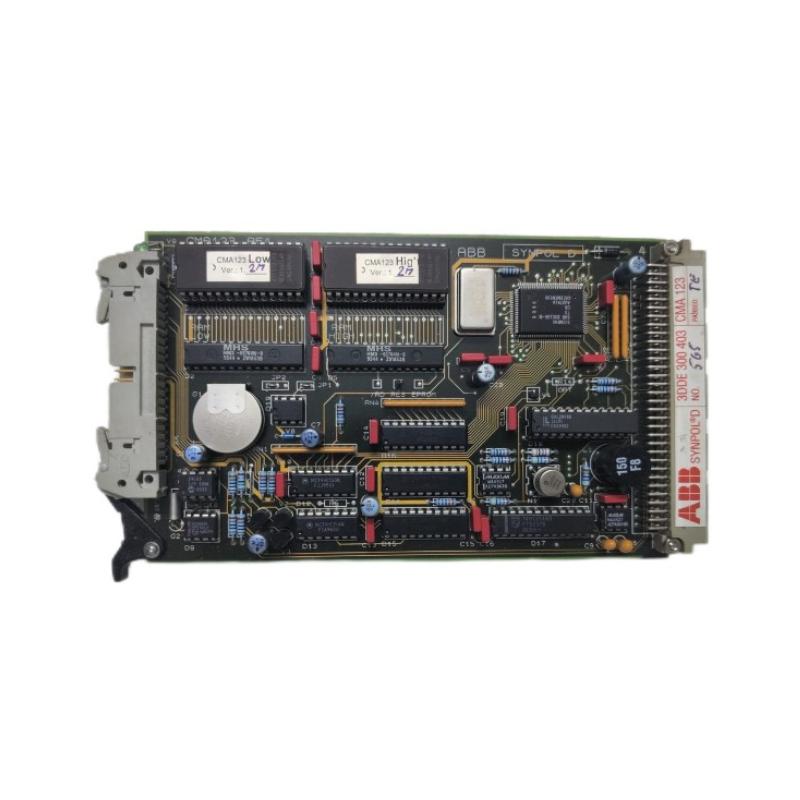
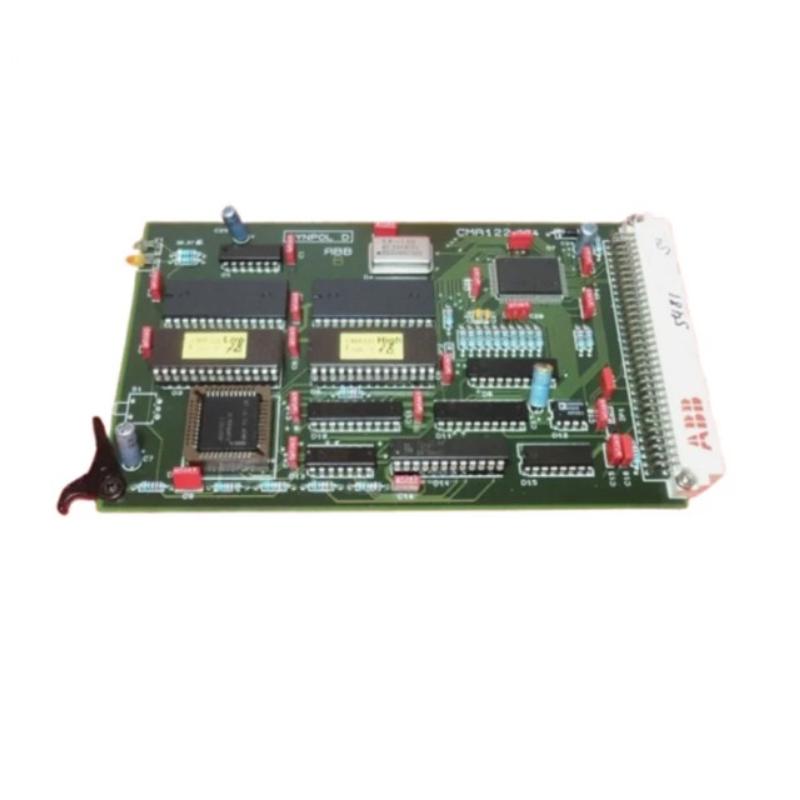
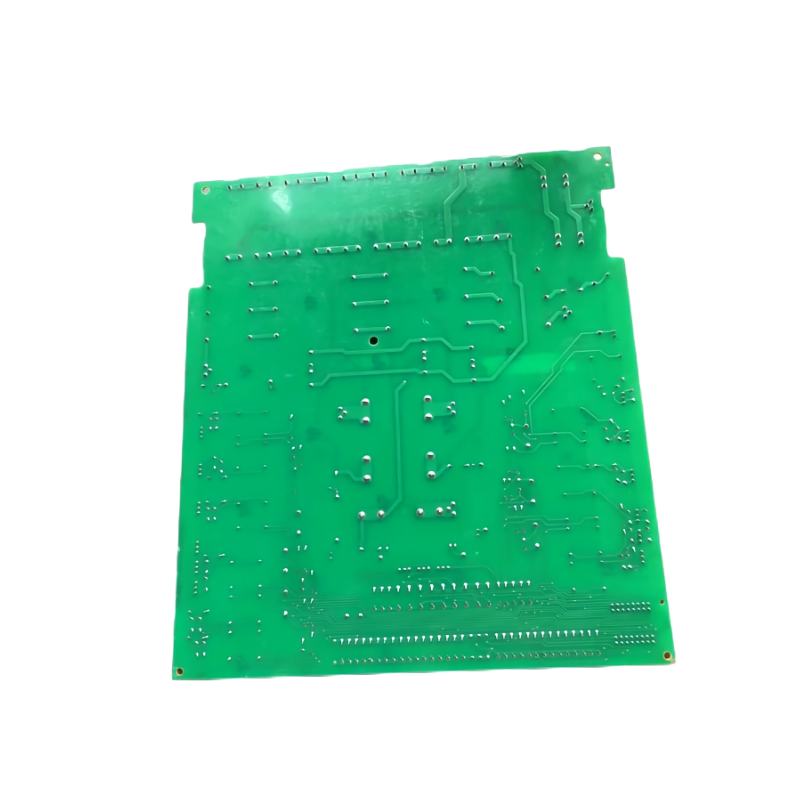
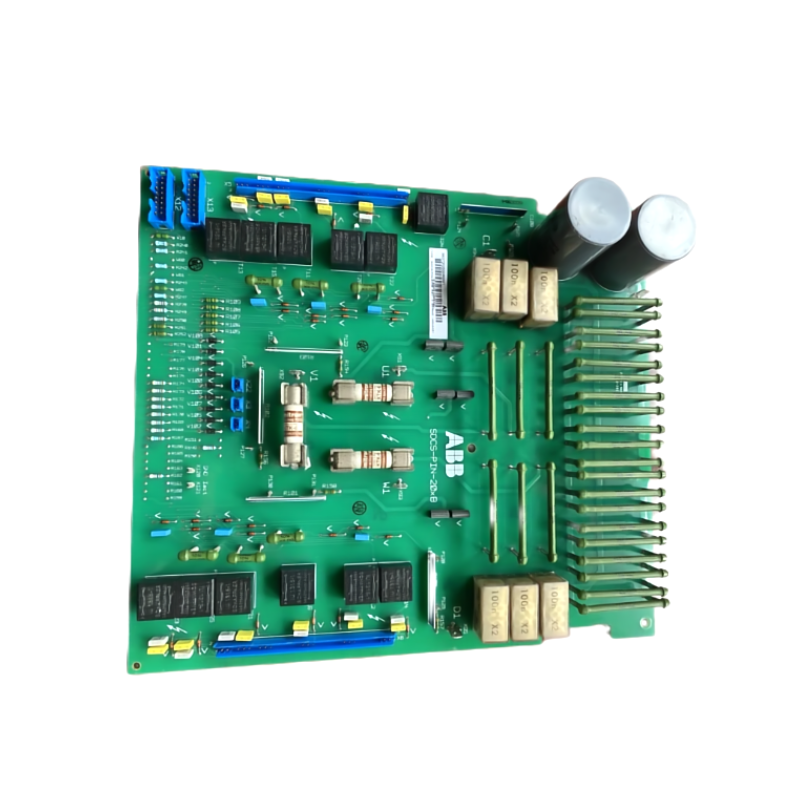
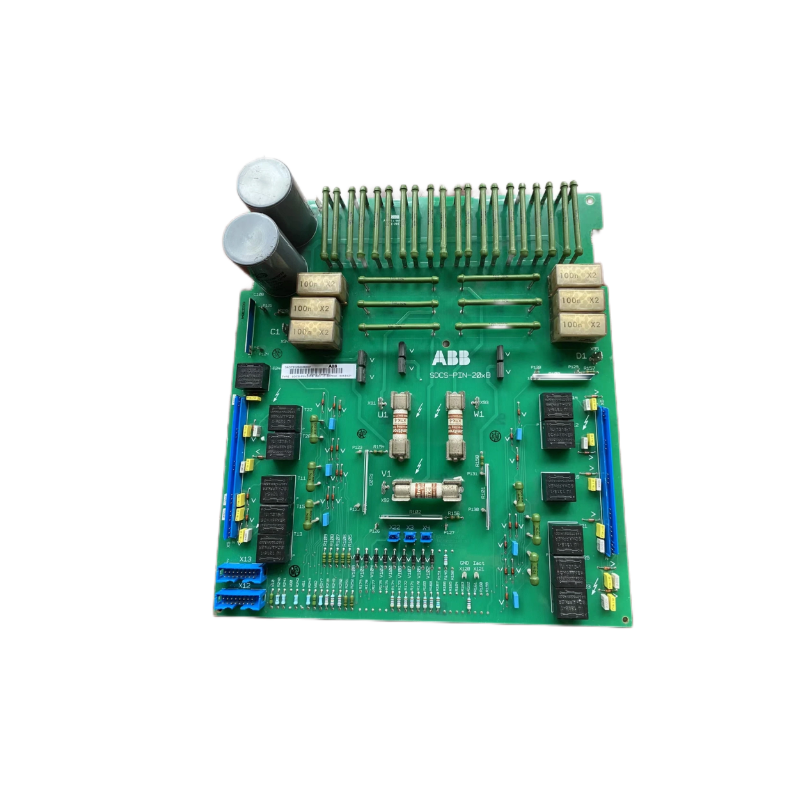
Q1: What is the main function of the SDCS‑PIN‑206B board?
A1: It acts as the interface board between large converter modules and control electronics in high‑current/high‑voltage drive systems.
Q2: What are its physical dimensions and weight?
A2: Approximately 160 mm × 120 mm × 80 mm and roughly 0.50 kg in weight.
Q3: Which drive systems is this board compatible with?
A3: It is intended for converter modules operating on a ~600 V DC bus or large current ranges requiring the 206 series interface.
Q4: How does it help in maintenance?
A4: The modular board can be replaced quickly, allowing the interface section to be swapped without replacing the full converter stack, reducing downtime.
Q5: What environmental conditions can it support?
A5: It is rated to operate from about –10 °C to +55 °C, suitable for industrial cabinet environments.
Q6: Is it suitable for retrofit of older drive systems?
A6: Yes — it is often used as a service or upgrade board in legacy modular drive installations.
Q7: Why is the size and weight modest compared to the converter modules?
A7: Because it handles interface, measurement and protection circuits—not the full power conversion stack—thus smaller size and lighter weight.
Q8: What benefits come from using this board across multiple drives?
A8: Standardisation simplifies spare‑stocking, service training and interchangeability across multiple drive units.
Q9: Does the board require special mounting or configuration?
A9: It typically fits into the standard slot or module frame in the drive cabinet; correct installation and adjustment (resistor settings, cabling) must follow the service manual.
Q10: Why choose the 206B variant over earlier versions (e.g., 206A or 24)?
A10: The 206B is optimized for 600 V bus systems and large‑converter ratings; it may include revised components, compatibility enhancements and support for higher performance drives.
Related Products
Copyright @ 2026 Automations
XML|Links:
No:77501