FAQ (10 Questions & Answers)
Q1: What input voltage range does the ADV142-P03 support?
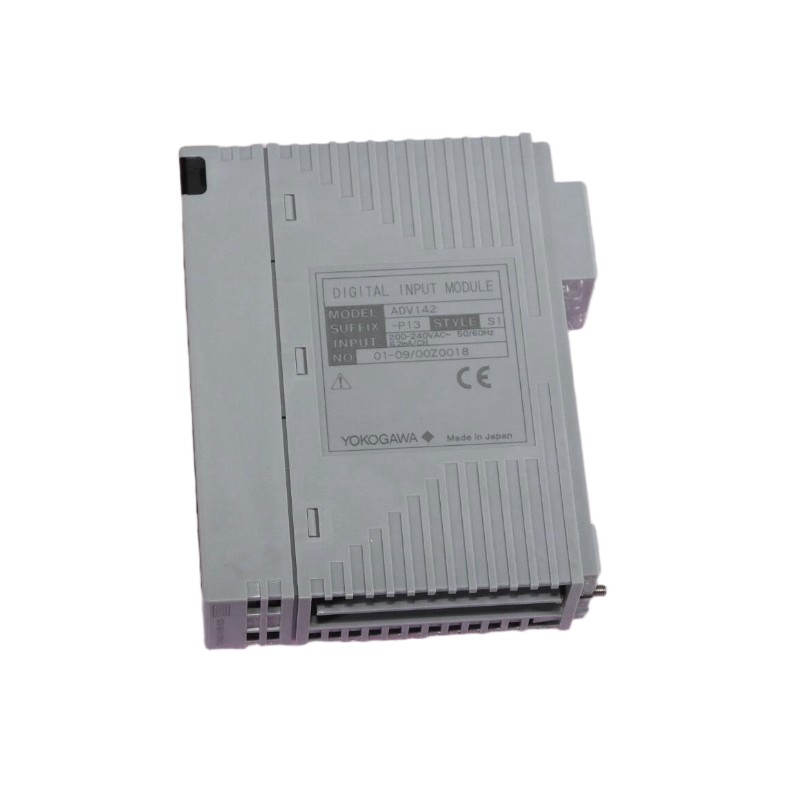
A1: The module supports 200 to 240 V AC (50/60 Hz) rated input voltage for its 16 channels.
Q2: Can it accept 100–120 V AC input?
A2: No — that range is intended for the ADV141 series. The ADV142 family is designed for the higher AC voltage range of 200-240 V.
Q3: How many input channels are available on the ADV142-P03?
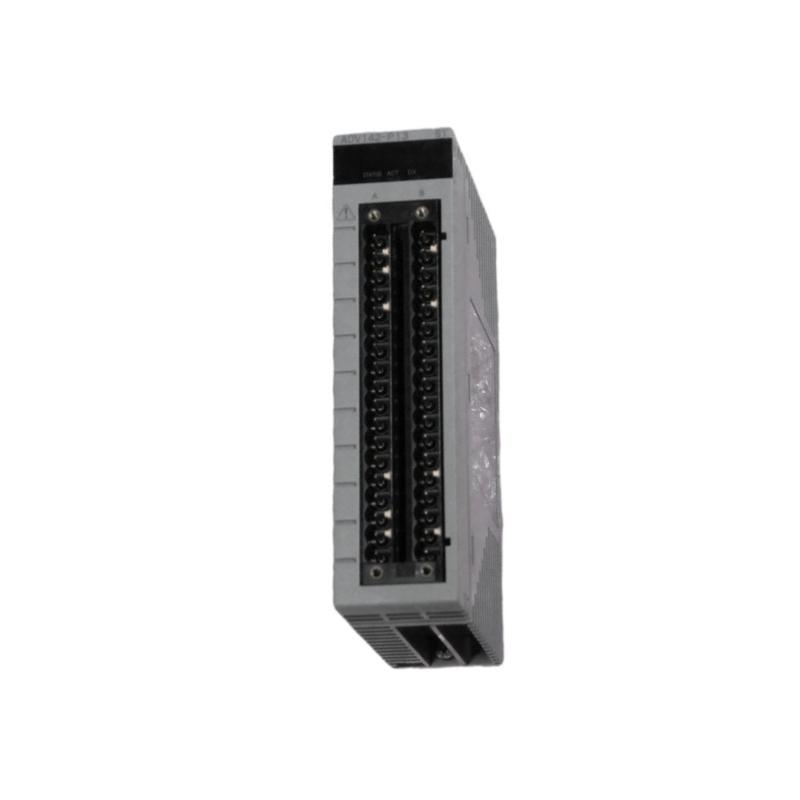
A3: It provides 16 independent input channels.
Q4: What is the approximate dimensions and weight?
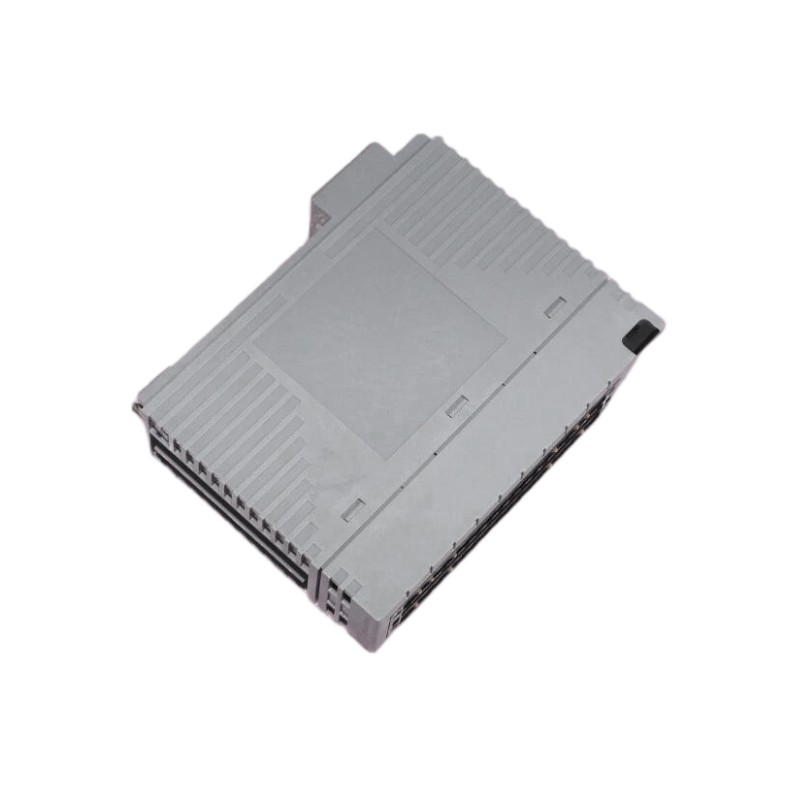
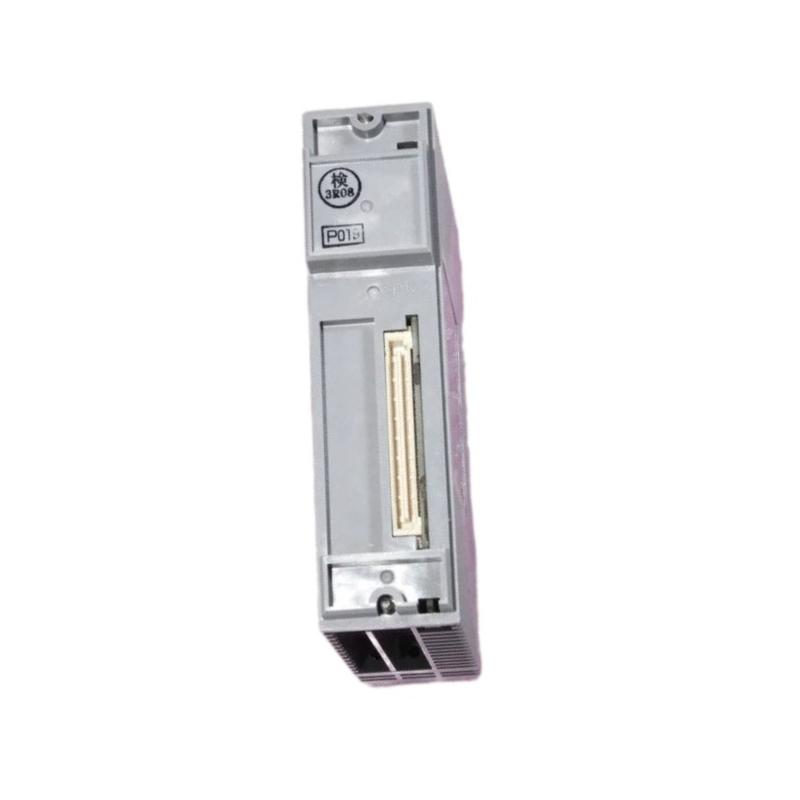
A4: Dimensions are approximately 3.2 cm (width) × 10.7 cm (height) × 7.6 cm (depth), and typical weight is approx. 0.30 kg.
Q5: What does the suffix “-P03” mean?
A5: “P” indicates pushbutton input capability, “0” indicates standard/general-purpose (no status display), and “3” indicates the variant with ISA G3 option and extended temperature range (-20 °C to +70 °C).
Q6: Does this module support redundant configuration?
A6: Yes — the module can be used in dual-redundant architectures to enhance system reliability.
Q7: What is the response time for status input signals?
A7: The status input response time is 160 ms or less under typical conditions.
Q8: Is wiring via standard terminals supplied?
A8: Yes — connection is via pressure clamp terminal or dedicated cable connector as per installation.
Q9: Can it operate in harsh ambient environments (temperature extremes)?
A9: Yes — the “3” suffix variant supports operation from -20 °C up to +70 °C, making it suitable for more demanding sites.
Q10: What isolation capability does it have?
A10: It features 2 kV AC isolation between input signal and system circuits and 1.35 kV AC across channel commons (every 8 channels) for 1 minute, offering significant protection against electrical noise and transients.
Related Products
Copyright @ 2026 Automations
XML|Links:
No:77501