FAQ (10 Useful Q&A)
Q1: What input voltage range does the ADV142-P12 support?
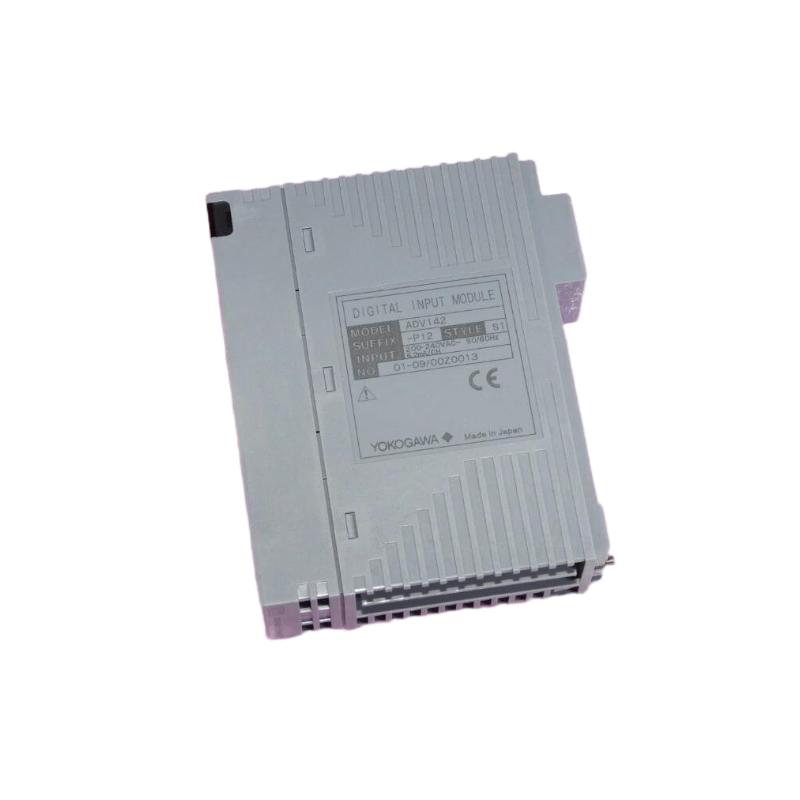
A1: It supports the higher-voltage AC range typical of the ADV142 family (200–240 V AC) for its 16 channels.
Q2: Can this module be used for 24 V DC digital input?
A2: No — the ADV142-P12 is designed for AC digital inputs in the 200–240 V range. For 24 V DC input modules, other series (ADV151/ADV161) are used.
Q3: How many discrete input channels are available on this module?
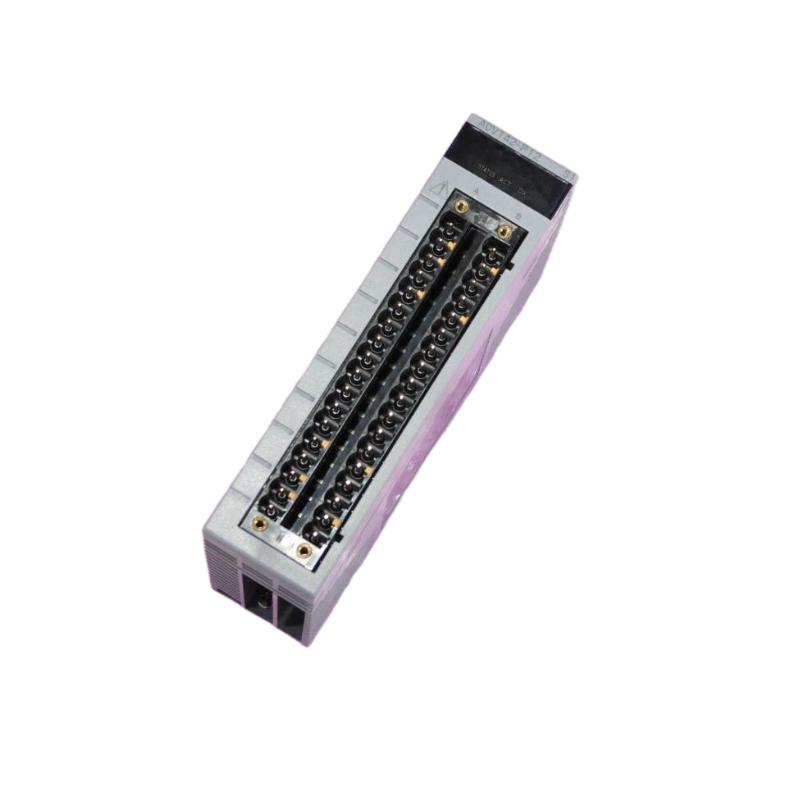
A3: The module provides 16 input channels.
Q4: What are its physical dimensions and weight?
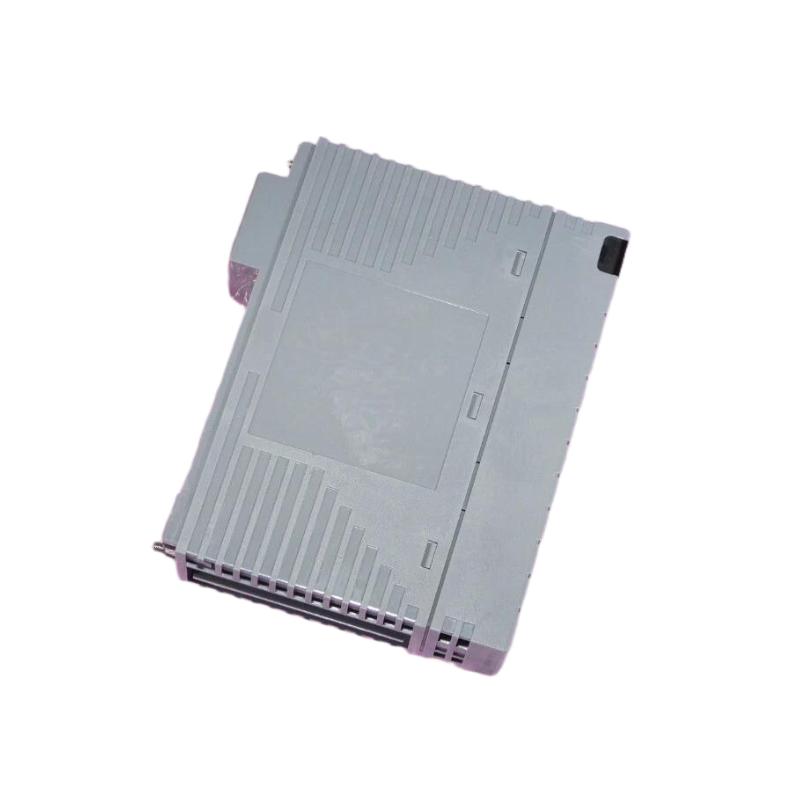
A4: Approximate size is 3.2 cm width × 10.7 cm height × 7.6 cm depth, and the weight is about 0.30 kg.
Q5: Does the suffix “P12” signify special functionality?
A5: Yes — “P” indicates push-button input capability, “1” and “2” denote particular variant options (such as diagnostic features or temperature rating).
Q6: Can it be used in a redundant I/O configuration?
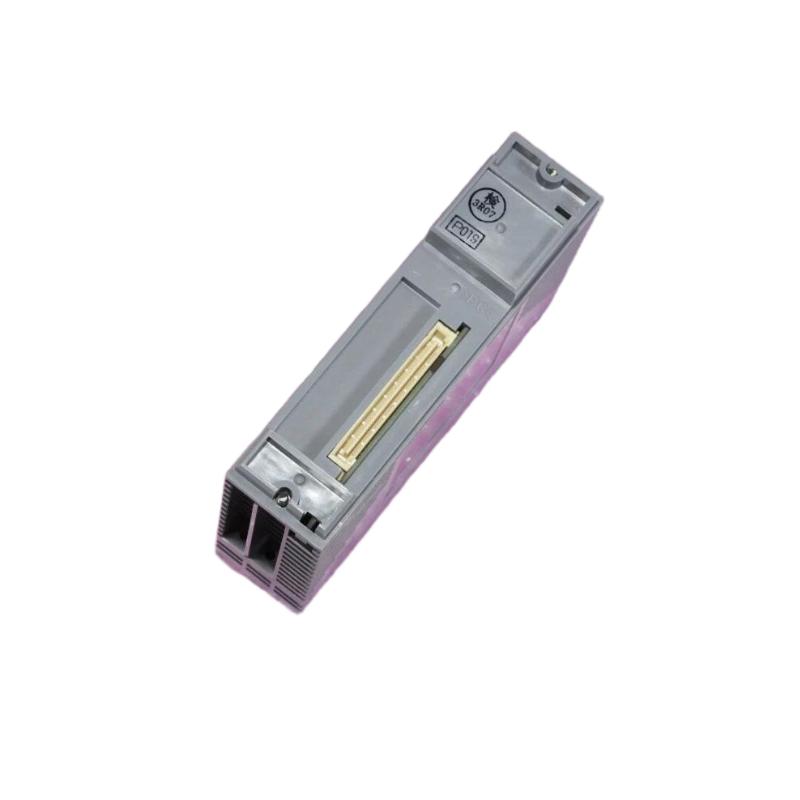
A6: Yes — the module is compatible with dual-redundant I/O rack/backplane systems for high availability installations.
Q7: What is the typical response time for input changes?
A7: The module’s response time for status input is 160 ms or less. Pushbutton input detection minimum ON time is 200 ms.
Q8: What type of field wiring connection is used?
A8: Connection is via pressure-clamp terminal or a dedicated cable connector, making installation relatively straightforward.
Q9: Is the module suitable for harsh ambient conditions?
A9: Yes — it supports operation down to –20 °C and up to +70 °C (for the “2” suffix version) and is designed for industrial environments with electrical noise, vibration and thermal stress.
Q10: What isolation protection does the module provide?
A10: It provides 2 kV AC isolation between the input signal and system circuitry, and 1.35 kV AC between channel commons for 1 minute, which helps ensure signal integrity and system safety.
Related Products
Copyright @ 2026 Automations
XML|Links:
No:77501