FAQ (Top 10 Questions & Answers)
Q1: How many input channels does the module support?
A1: It supports up to 32 digital input channels, each designed for 24 V DC ON/OFF signals.
Q2: What is the rated input voltage and limit?
A2: Rated voltage is 24 V DC. The maximum allowable input voltage is 30.0 V DC; exceeding this may damage the module.
Q3: What is the response time?
A3: For status inputs, response time is 8 ms or less. For push-button inputs, the minimum ON detection time is 20 ms.
Q4: Can this module be used in a redundant configuration?
A4: Yes. The ADV151 series supports dual-channel or redundant architectures, improving system reliability.
Q5: What are its dimensions and weight?
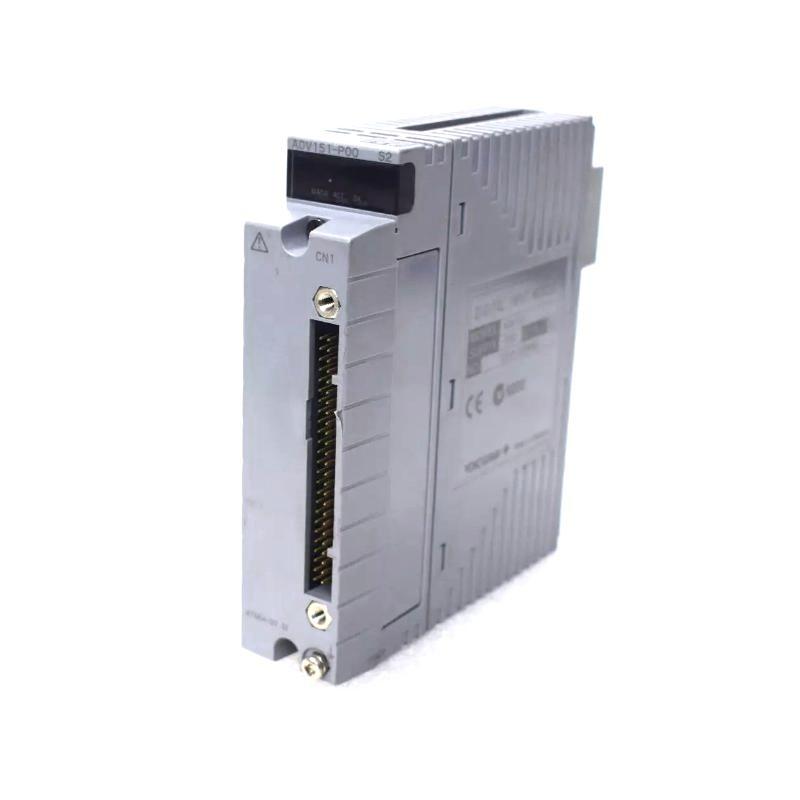
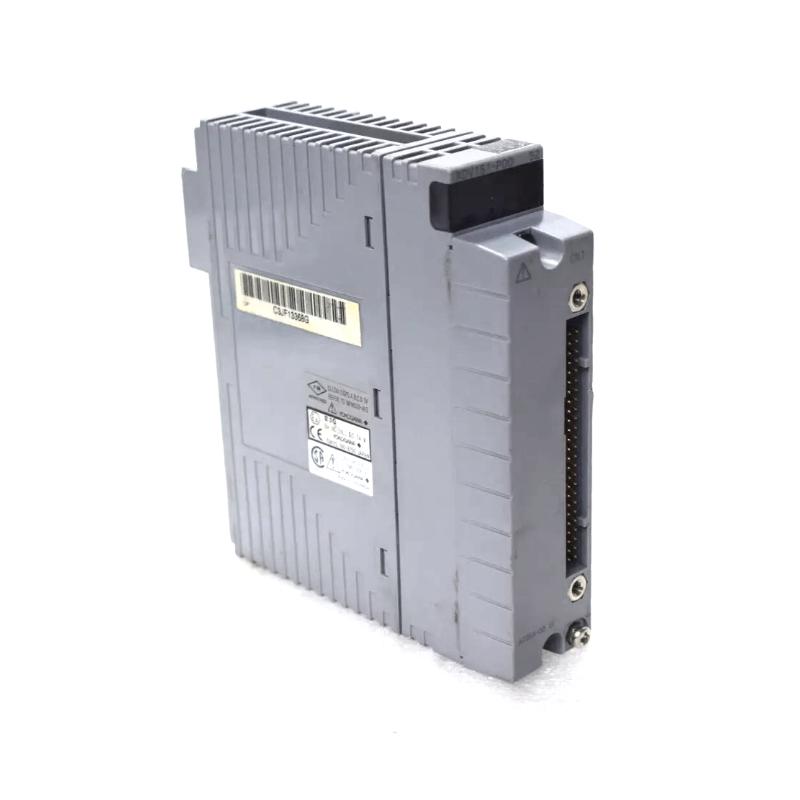
A5: Dimensions: 10.7 × 13.0 × 3.3 cm (L × W × H). Weight: approx. 0.30 kg.
Q6: What connection options are available?
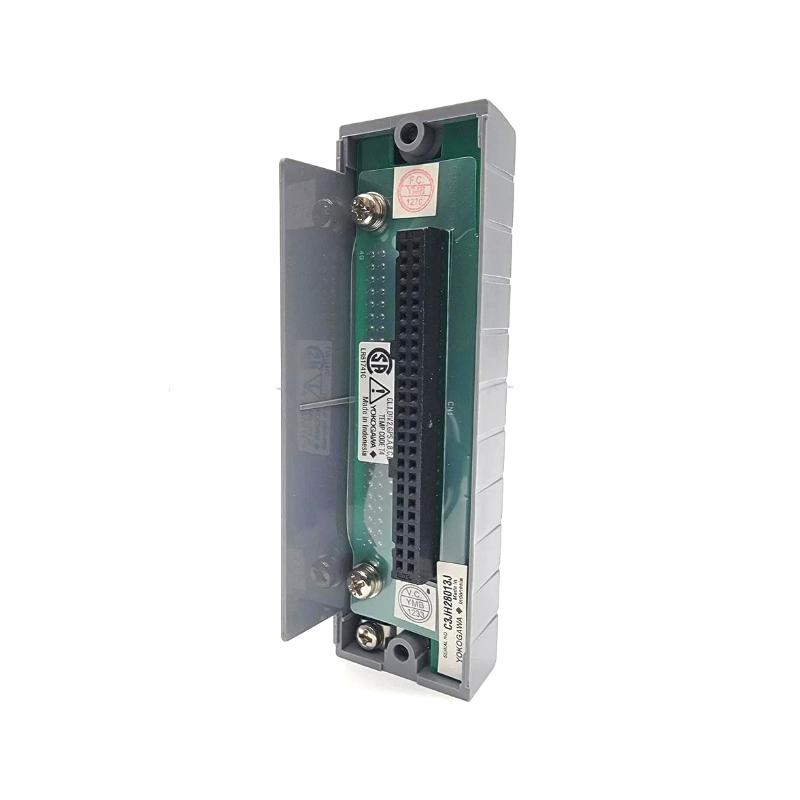
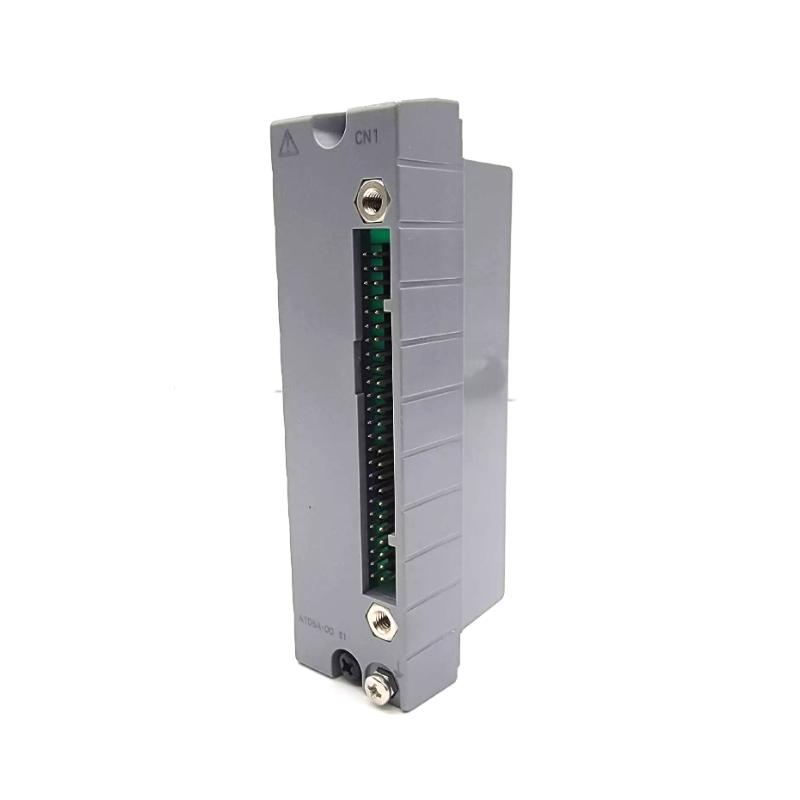
A6: It supports KS adapter (ATD5A-00), compression terminal blocks, and MIL connectors, providing flexibility in wiring.
Q7: How strong is its electrical isolation?
A7: Isolation withstands 2 kV AC between signal and system, and 500 V AC between common and system for 1 minute.
Q8: Can it detect push-button edges or pulses?
A8: Yes. It supports push-button input, edge counting, and period measurement features.
Q9: Are there environmental or hazardous-area limitations?
A9: The standard “P00” type is for non-hazardous areas. For extended temperature or explosion-proof needs, use models with suffix “-E” or “-F”.
Q10: What should I check if false signals occur?
A10: Verify proper grounding, shielding, and cable routing; ensure inputs don’t exceed 30 V DC; confirm redundancy and connector seating; and check for excessive switching frequency.
Related Products
Copyright @ 2026 Automations
XML|Links:
No:77501