FAQ (Frequently Asked Questions)
Q1: How many input channels does the ADV157 provide?
A1: It provides 32 discrete digital input channels in one module.
Q2: What input voltage does each channel use?
A2: The module is designed for 24 V DC input signals. The ON range is between 18.0 V and 26.4 V and the OFF voltage is 5.0 V or less.
Q3: What is the typical response time for an input signal?
A3: For status‑type inputs the response time is ≤ 8 ms.
Q4: Does the module support push‑button or edge detection mode?
A4: Yes — the module supports push‑button edge detection with minimum ON time of ~20 ms and a maximum ON/OFF cycle rate of ~25 Hz.
Q5: What are the physical size and weight of the module?
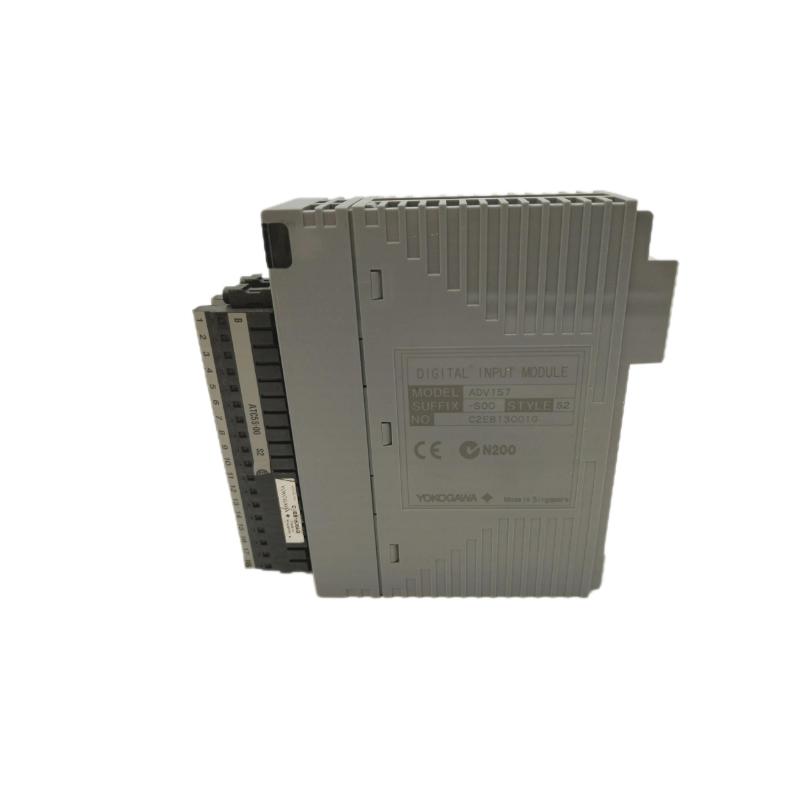
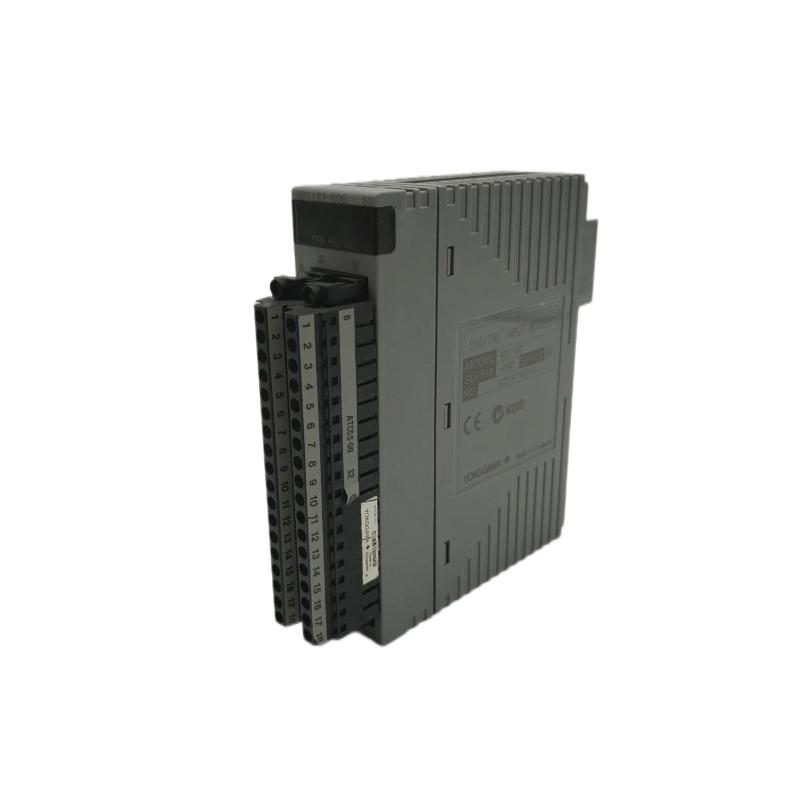
A5: The approximate dimensions are 10.6 cm × 13.0 cm × 3.2 cm and the weight is roughly 0.30 kg.
Q6: What isolation protection does the module offer?
A6: It features 2 kV AC isolation between input signal and system, and 500 V AC between each group of 16 channels’ common and system (for one minute) — offering strong immunity to electrical noise.
Q7: Can this module be used in redundant I/O architectures?
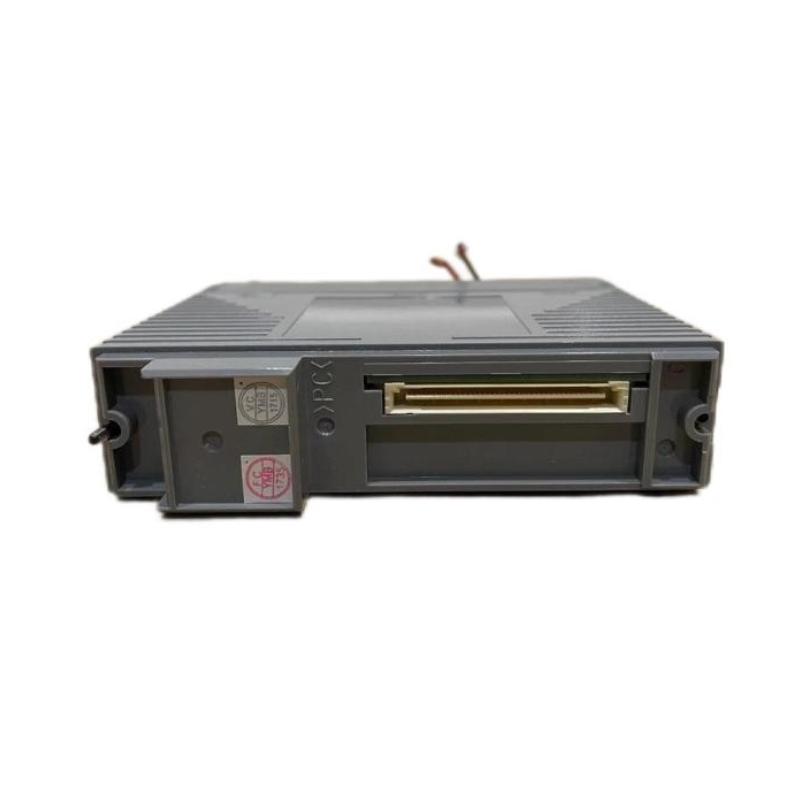
A7: Yes — it is compatible with field I/O rack systems that support redundant module configurations and dual I/O paths for higher availability.
Q8: What wiring connection options are available?
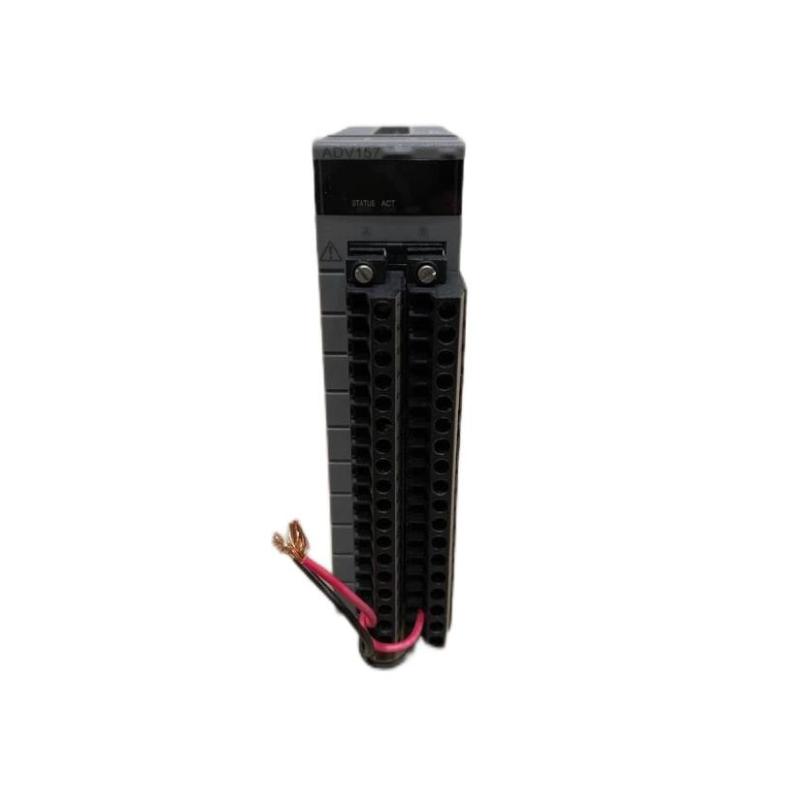
A8: Field wiring supports pressure‑clamp terminal blocks, dedicated cable or MIL connector wiring — providing installation flexibility.
Q9: In which industries or environments is the ADV157 suitable?
A9: It is widely used in process automation (oil & gas, petrochemical), power generation, utilities (water/wastewater), manufacturing automation, and any application requiring many discrete inputs captured reliably in a compact form.
Q10: If I need higher channel density or additional capabilities (such as more channels or event capture), what should I consider?
A10: For higher density you may consider the ADV161 series (64‑channel modules). For additional functions like Sequence‑of‑Events capture or special environmental ratings, look at variants within the family or newer field‑I/O modules tailored to those needs.
Related Products
Copyright @ 2026 Automations
XML|Links:
No:77501