FAQ – Frequently Asked Questions
Q1: How many output channels does the ADV551‑DO32 have?
A1: It provides 32 discrete digital output channels, all contained in one module.
Q2: What voltage does it operate on?
A2: The module is designed for 24 V DC nominal output, with an allowable external power supply voltage range of 20.4 V to 26.4 V DC.
Q3: What is the maximum load current per channel?
A3: Each channel supports up to about 100 mA load current at approximately 26.4 V DC (in many typical variants).
Q4: What is the response time for output switching?
A4: For status output types, the response time is as fast as 3 ms or less; for mixed status and pulse output modes it may be up to around 10 ms.
Q5: What are the module dimensions and weight?
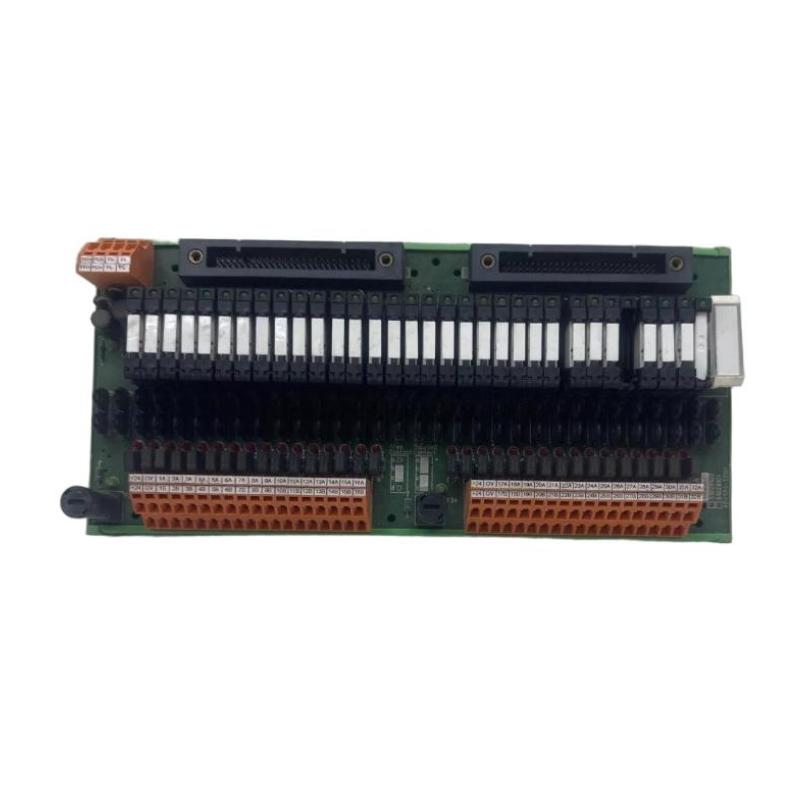
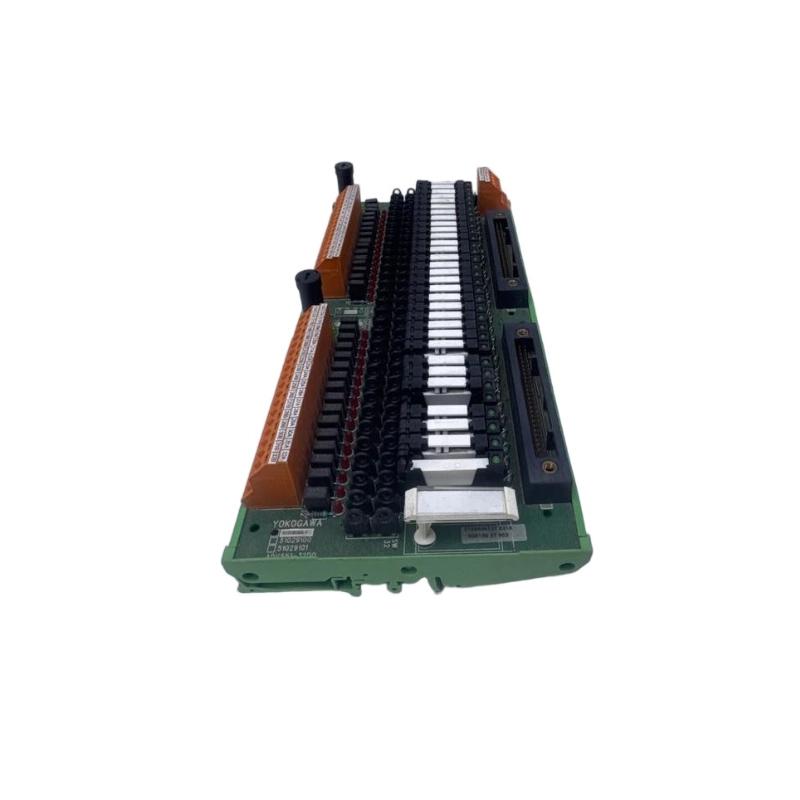
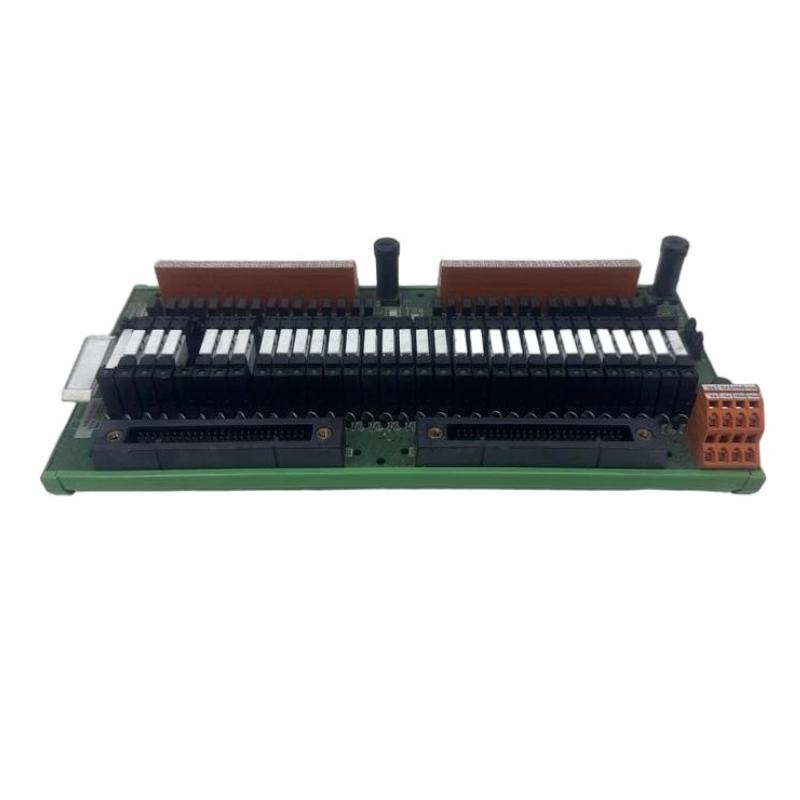
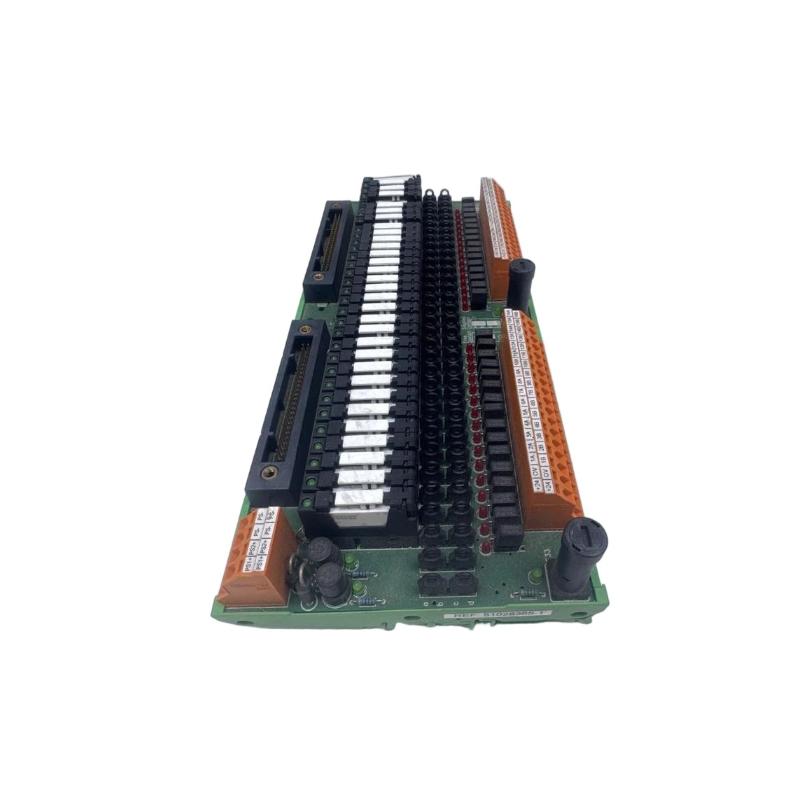
A5: The approximate dimensions are 107.5 mm width × 130 mm height × 32.8 mm depth. The weight is about 0.20 kg.
Q6: What type of outputs does it support (sink or source)?
A6: The ADV551‑DO32 module is generally current‑sink type outputs, designed to be compatible with 24 V DC field devices.
Q7: Can this module handle pulse width or time‑proportioned outputs?
A7: Yes – certain variants in the ADV551 family (such as the “P50” suffix variant) support pulse width and time‑proportioning output functions.
Q8: Is the module compatible with Yokogawa I/O racks or base frames?
A8: Yes – it is designed as part of the ADV551 series, integrating into Yokogawa’s I/O architecture including base frames, backplanes and cable systems.
Q9: What operating environment conditions does it support?
A9: Typical operational ambient temperature ranges from approximately –20 °C up to +60 °C (depending on variant). The module is built for industrial environments with electrical noise and wiring runs.
Q10: How do I maintain or replace this module in a control cabinet?
A10: To maintain or replace: isolate power on the I/O rack/backplane, unplug the module, install a replacement module in the same slot, reconnect required wiring or field connections, restore power, and verify that output channels are functioning correctly. Regular inspection of field wiring, connectors and ventilation is recommended.
Related Products
Copyright @ 2026 Automations
XML|Links:
No:77501