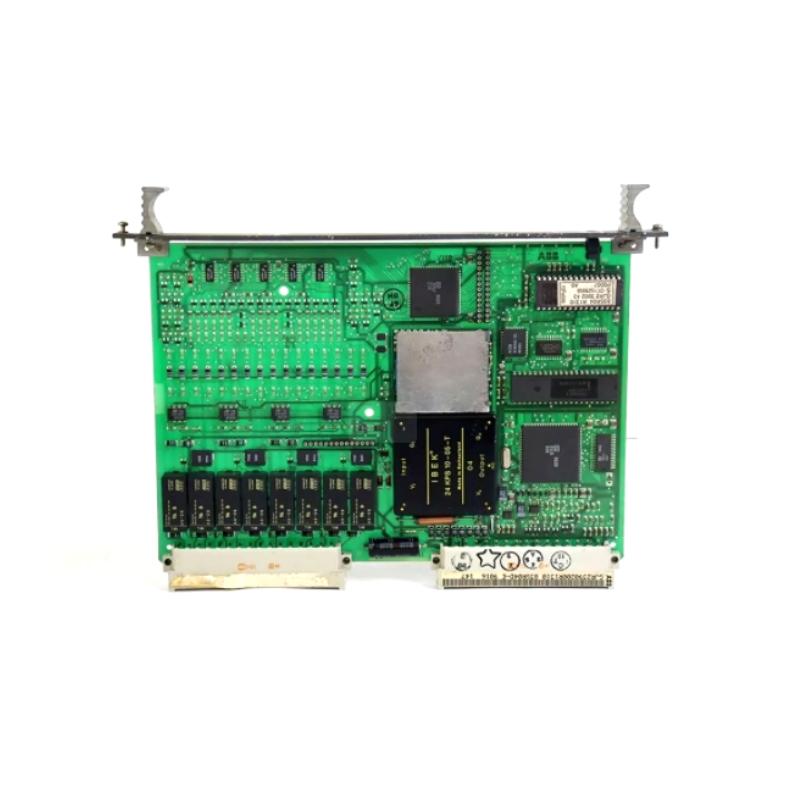
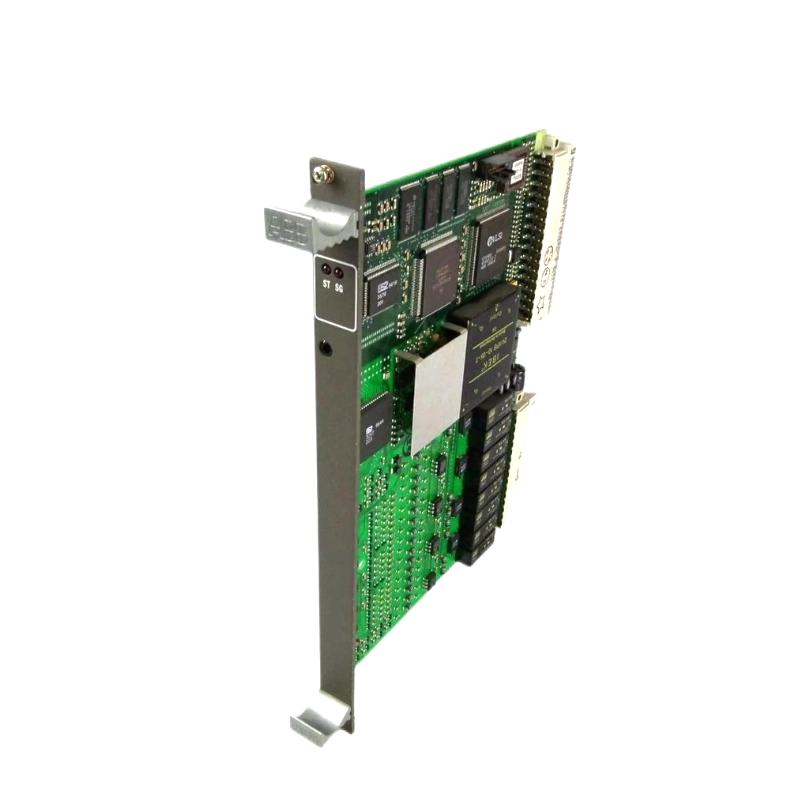
Frequently Asked Questions (FAQ)
Q1: What is the surge protection capacity of the ABB 83SR04A-E and 83SR04B-E relays?
A1: The ABB 83SR04A-E and 83SR04B-E relays have a surge protection capacity of 12kA (8/20µs).
Q2: What is the voltage rating of the ABB 83SR04A-E and 83SR04B-E relays?
A2: The ABB 83SR04A-E and 83SR04B-E relays are designed to operate at 230V AC.
Q3: How fast is the response time of the ABB 83SR04A-E and 83SR04B-E relays?
A3: The response time of the ABB 83SR04A-E and 83SR04B-E relays is less than 25 nanoseconds, ensuring rapid protection from transient surges.
Q4: What are the dimensions of the ABB 83SR04A-E and 83SR04B-E relays?
A4: The ABB 83SR04A-E and 83SR04B-E relays have dimensions of 90mm x 90mm x 60mm.
Q5: What is the weight of the ABB 83SR04A-E and 83SR04B-E relays?
A5: The ABB 83SR04A-E and 83SR04B-E relays weigh 0.55 kg.
Q6: What is the operating temperature range for the ABB 83SR04A-E and 83SR04B-E relays?
A6: The operating temperature range for both the ABB 83SR04A-E and 83SR04B-E relays is -20°C to +60°C, which makes them suitable for use in a wide variety of environments.
Q7: Can I use the ABB 83SR04A-E and 83SR04B-E relays in outdoor environments?
A7: The ABB 83SR04A-E and 83SR04B-E relays have an IP20 rating, which means they are designed for indoor use in dry, dust-free environments. For outdoor use, additional protective enclosures may be required.
Q8: What type of protection level do the ABB 83SR04A-E and 83SR04B-E relays provide?
A8: The ABB 83SR04A-E and 83SR04B-E relays provide Type 3 surge protection, which is ideal for low-voltage systems in commercial, residential, and industrial environments.
Q9: Are the ABB 83SR04A-E and 83SR04B-E relays easy to install?
A9: Yes, both models are designed for DIN rail mounting, making them very easy to install and integrate into existing electrical control panels.
Q10: How do the ABB 83SR04A-E and 83SR04B-E relays protect against surges?
A10: The ABB 83SR04A-E and 83SR04B-E relays protect against voltage surges by absorbing and diverting the excess energy caused by transient voltage spikes, thus preventing damage to sensitive equipment connected to the electrical system.
Related Products
Copyright @ 2026 Automations
XML|Links:
No:77501