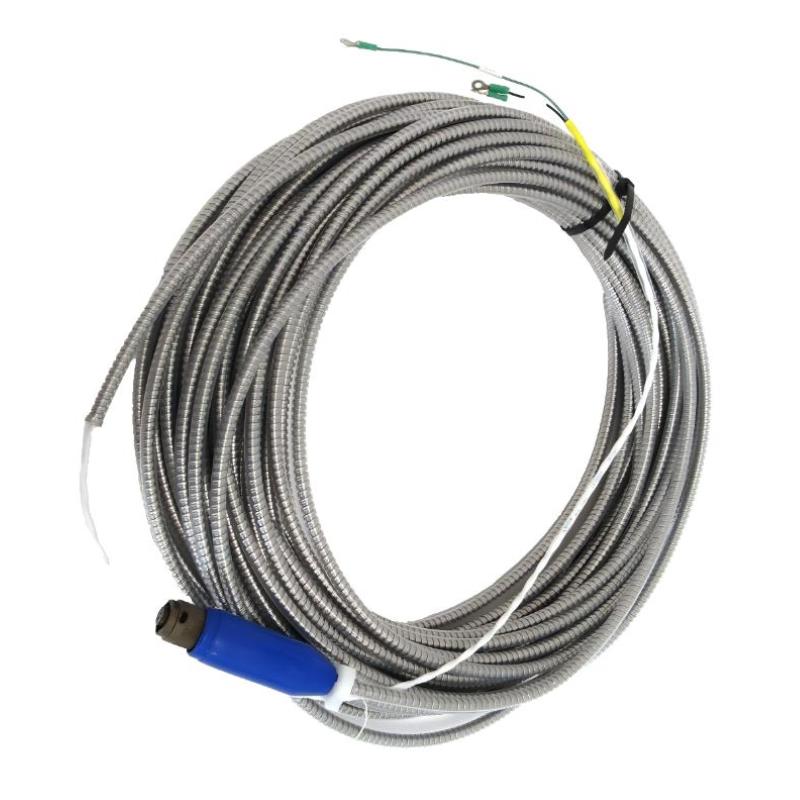
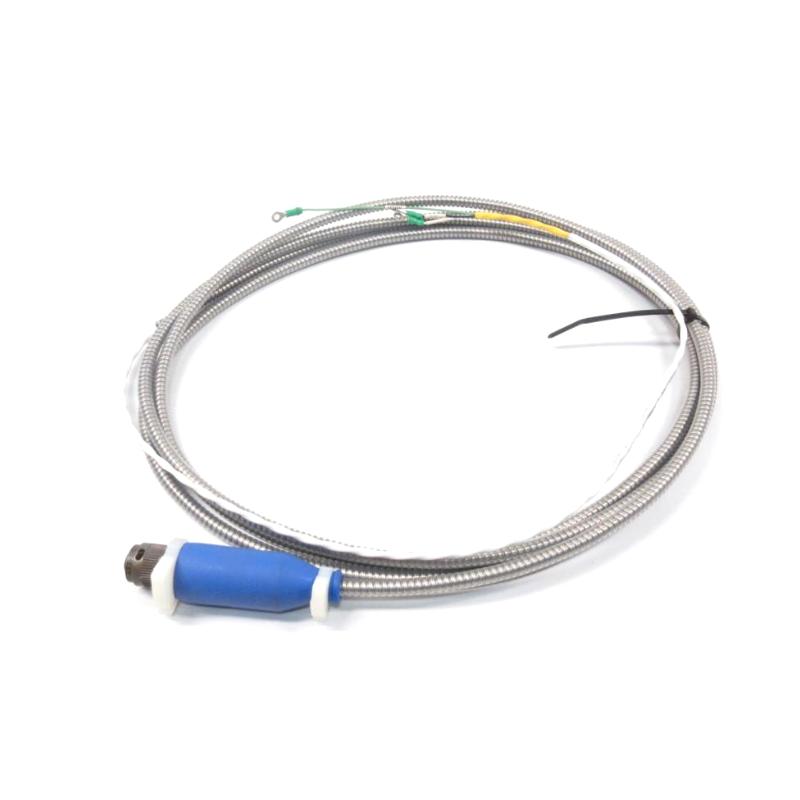
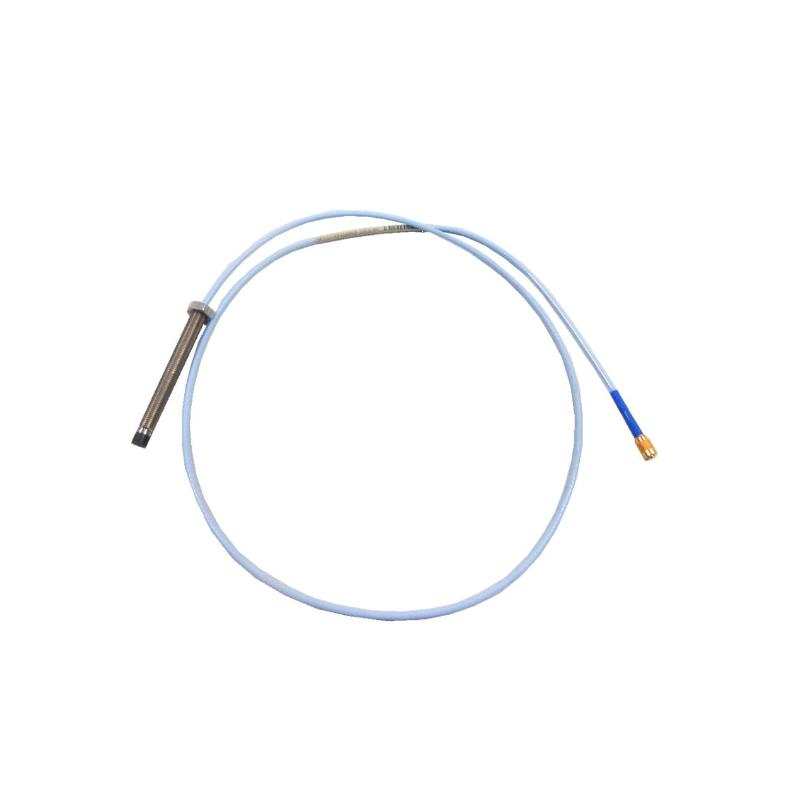
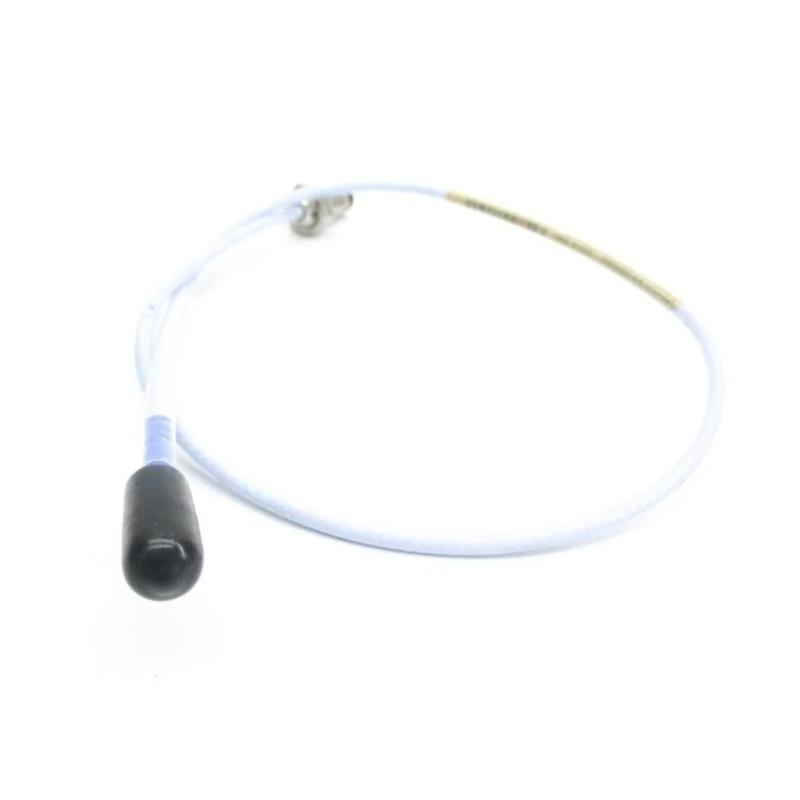
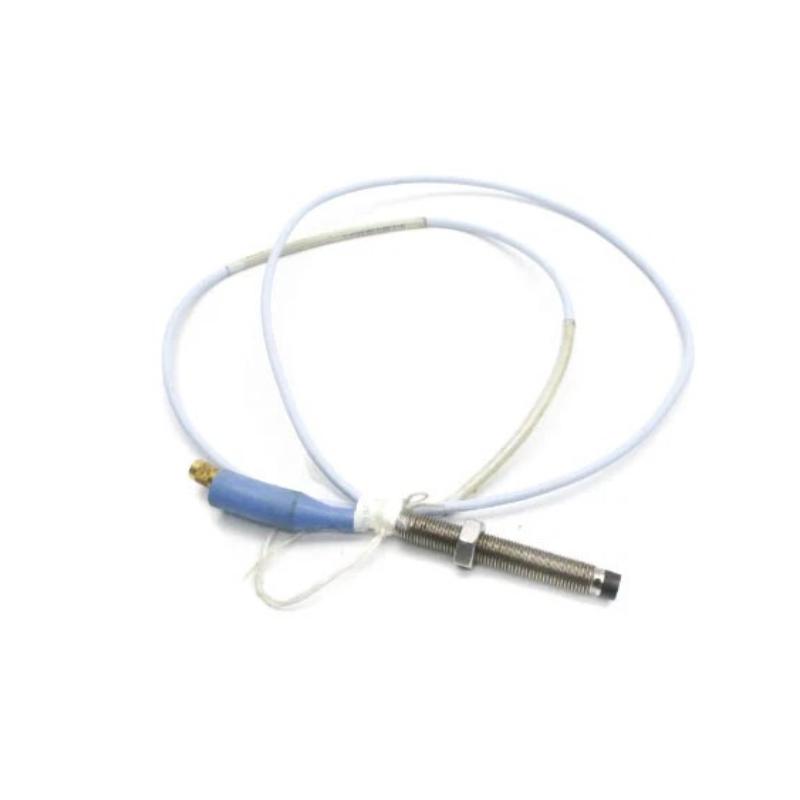
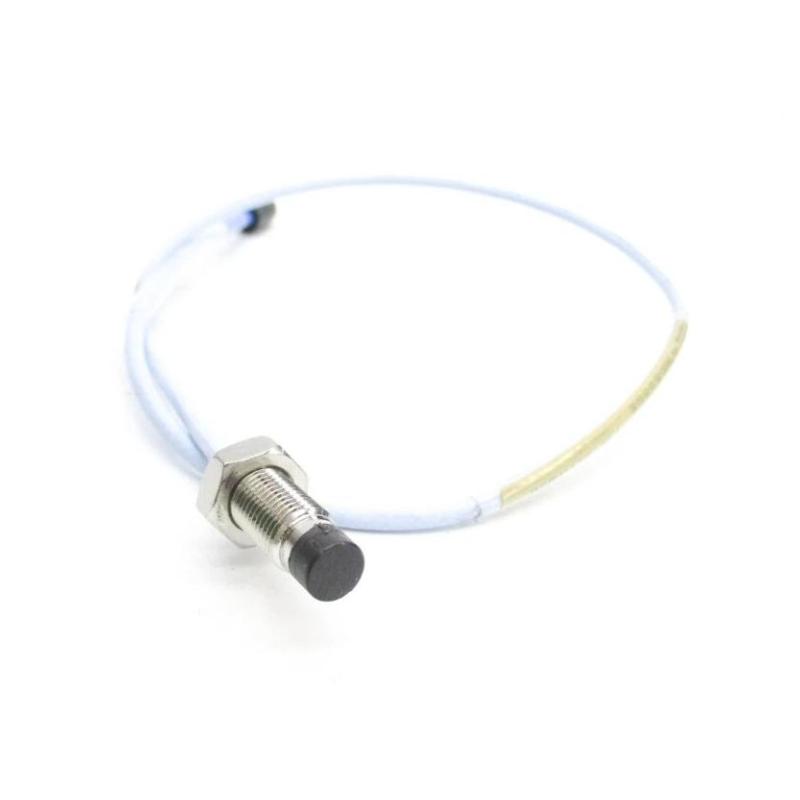
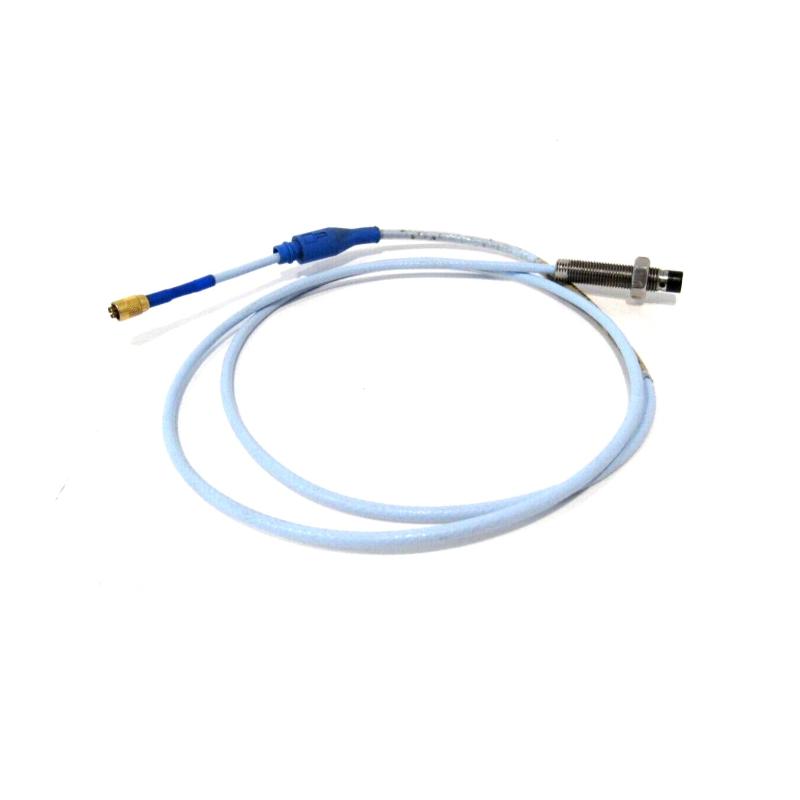
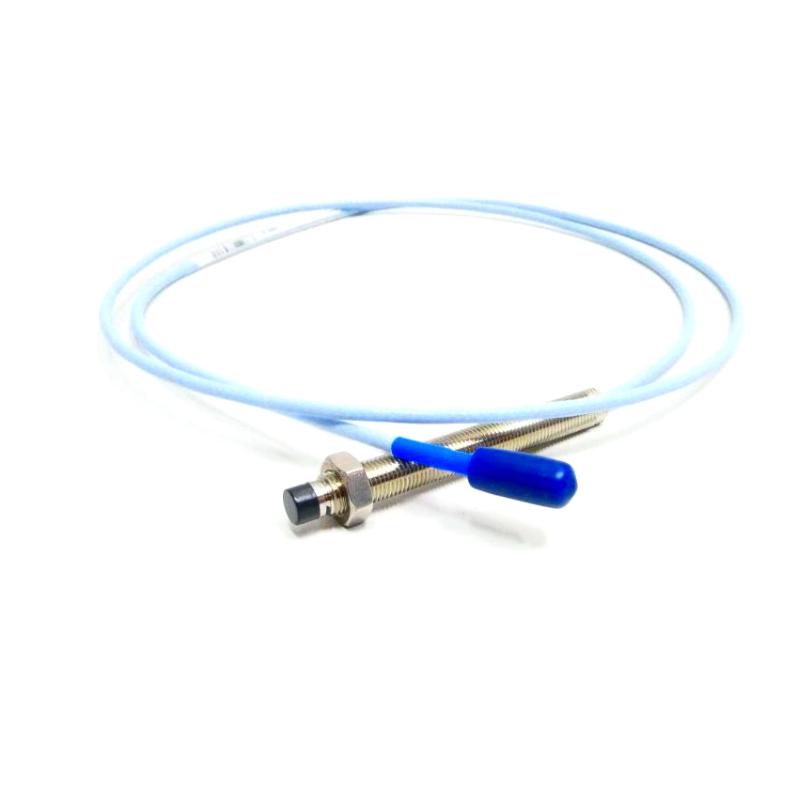
The sensor is used for continuous monitoring of vibration levels in rotating machinery to detect issues such as imbalance, misalignment, and bearing wear, allowing early intervention and preventing costly failures.
It is primarily used in power generation, oil & gas, manufacturing, and other industries that rely on rotating equipment.
3. What is the measurement range of the Bently Nevada 330101-20-39-10-02-05?
The sensor measures vibrations in the range of ±0.5 g to ±100 g.
4. Can the sensor operate in extreme temperatures?
Yes, it has a wide operating temperature range from -40°C to +85°C, making it suitable for a variety of industrial environments.
5. What is the protection class of the Bently Nevada 330101-20-39-10-02-05?
The sensor is rated IP66, meaning it is both dustproof and resistant to water, ensuring reliable operation in harsh environments.
6. How does the Bently Nevada 330101-20-39-10-02-05 communicate with monitoring systems?
The sensor provides 4-20 mA analog output and Ethernet digital communication for easy integration into monitoring and control systems.
7. How accurate is the vibration measurement?
The sensor is highly accurate, offering real-time monitoring and detecting even small deviations from normal vibration levels, which can be an early indicator of mechanical problems.
8. What is the weight and size of the sensor?
The sensor weighs 1.2 kg and has dimensions of 150 x 90 x 60 mm, making it compact and easy to install.
9. Is the Bently Nevada 330101-20-39-10-02-05 energy-efficient?
Yes, it consumes only 2.5 W, ensuring minimal energy usage while maintaining continuous operation.
10. How does the sensor contribute to predictive maintenance?
The sensor continuously monitors machinery, identifying potential issues early and enabling operators to schedule maintenance before a breakdown occurs.
Related Products
Copyright @ 2026 Automations
XML|Links:
No:77501