

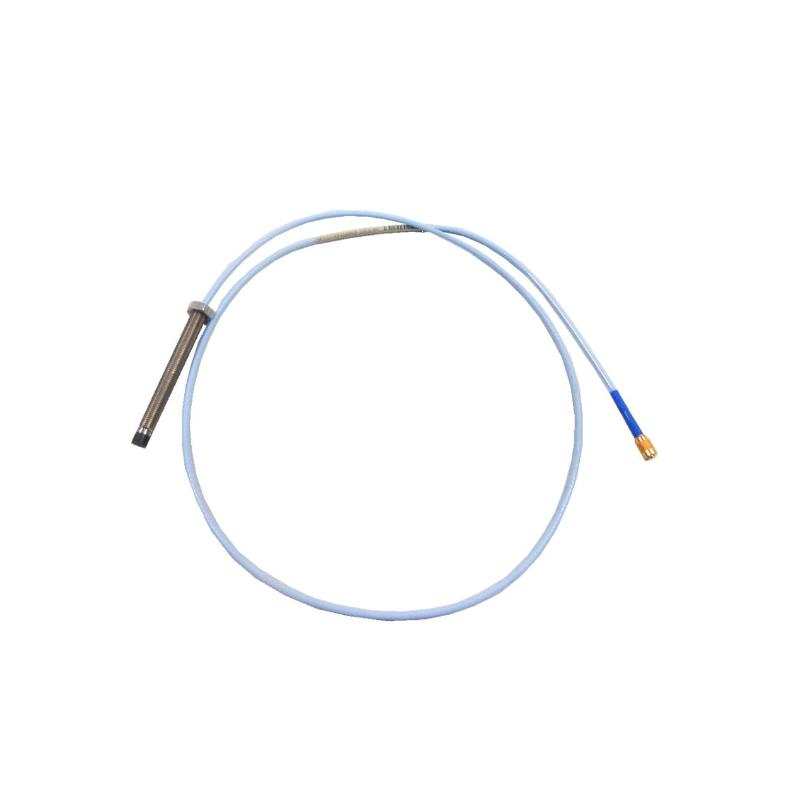
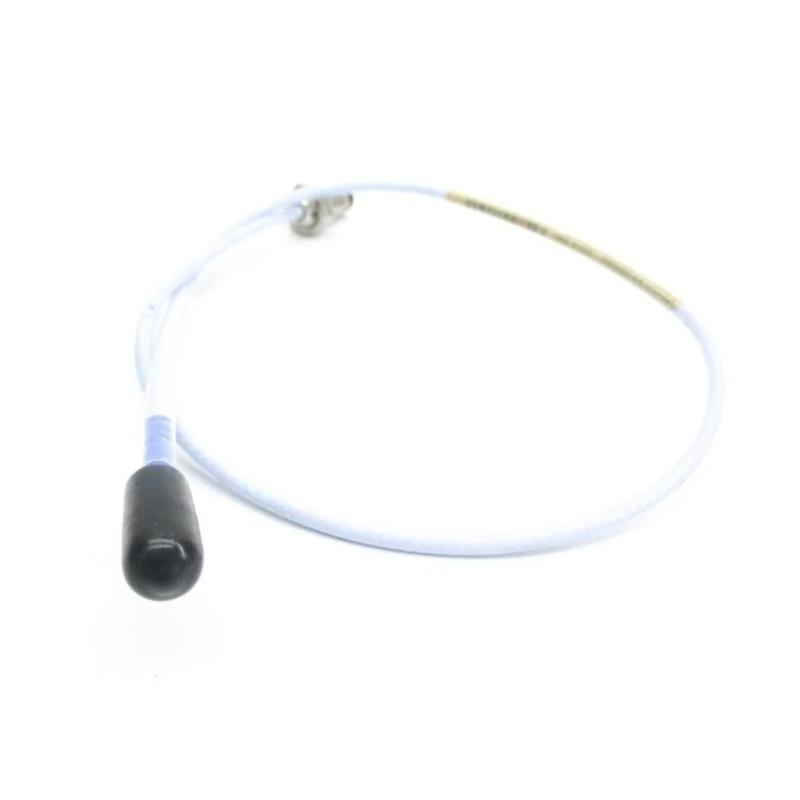
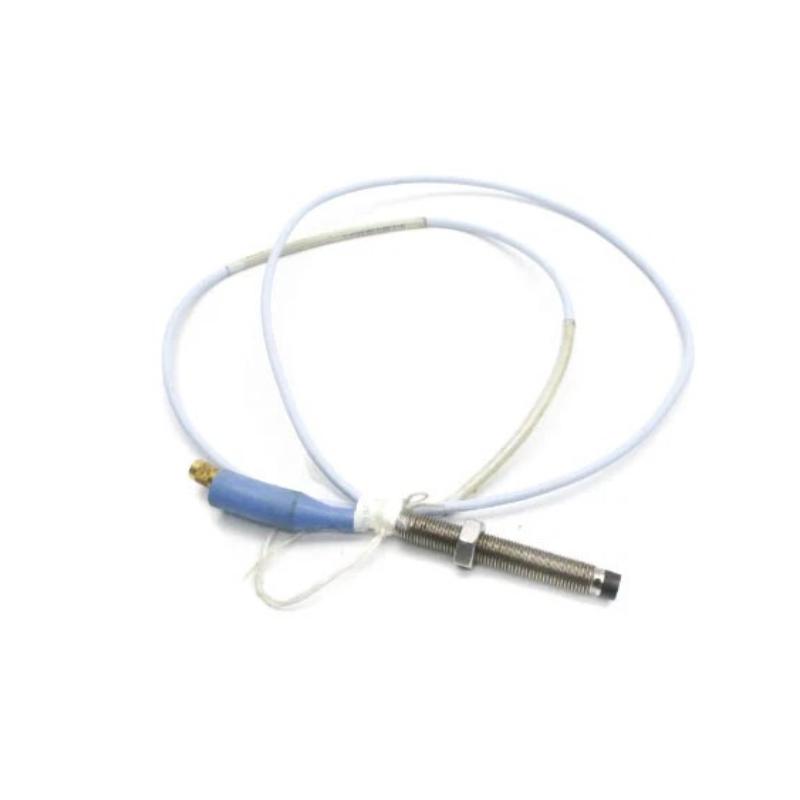
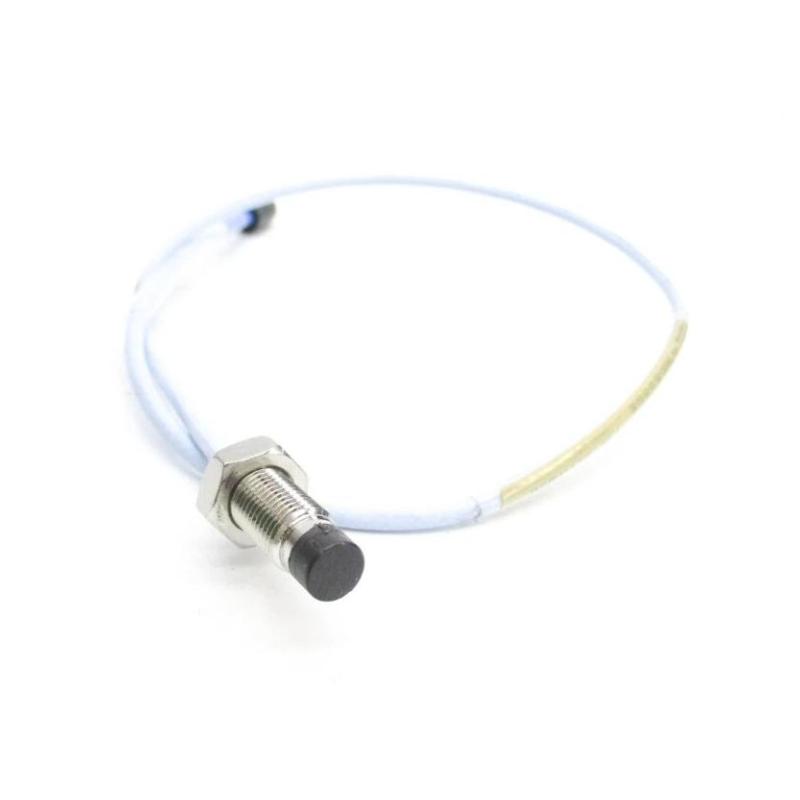
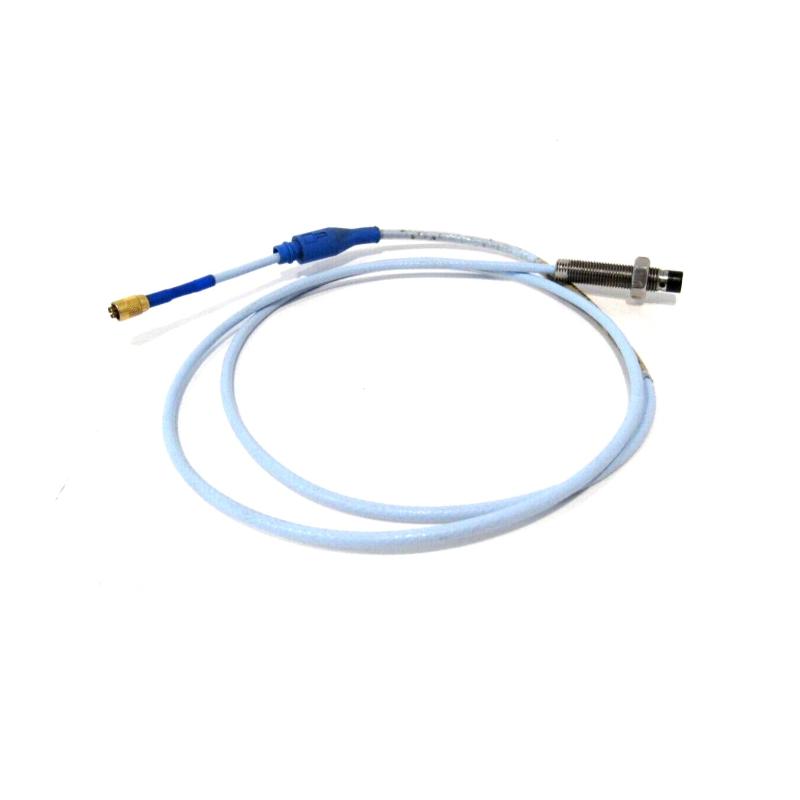
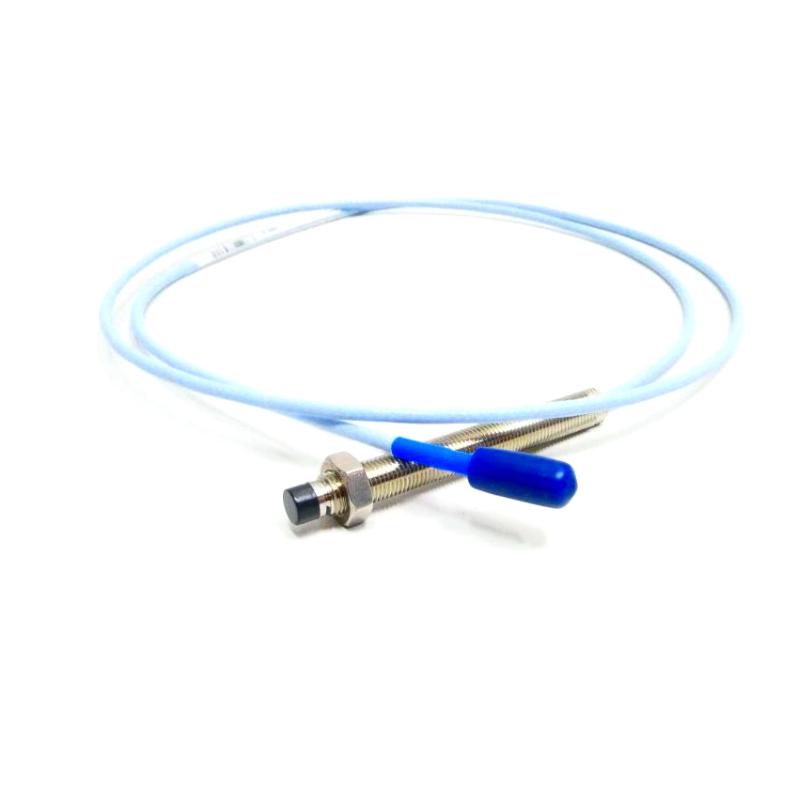




FAQ for Bently Nevada 330101-20-40-10-02-05
1. What is the main purpose of the Bently Nevada 330101-20-40-10-02-05?
The sensor is used for real-time vibration monitoring of rotating machinery to detect potential mechanical issues such as imbalance, misalignment, and bearing failure.
2. What is the measurement range of this sensor?
The 330101-20-40-10-02-05 offers a vibration measurement range of ±0.5 g to ±100 g, providing flexibility for various machinery types and applications.
3. How does the sensor help with predictive maintenance?
The sensor provides continuous, real-time data on vibration levels, allowing operators to detect early signs of mechanical issues and take preventive measures before failures occur.
4. What industries benefit from the Bently Nevada 330101-20-40-10-02-05?
Industries such as power generation, oil and gas, manufacturing, and chemical processing rely on this sensor for condition monitoring and predictive maintenance.
5. What is the protection rating of the sensor?
The sensor has an IP66 protection class, ensuring it is resistant to dust and water, making it suitable for use in harsh industrial environments.
6. What kind of output does the sensor provide?
The sensor offers both 4-20 mA analog output and Ethernet digital communication, enabling seamless integration into monitoring systems.
7. What is the operating temperature range of this sensor?
The 330101-20-40-10-02-05 operates effectively in temperatures ranging from -40°C to +85°C, making it suitable for a variety of environments.
8. How heavy is the Bently Nevada 330101-20-40-10-02-05 sensor?
The sensor weighs 1.1 kg, making it easy to handle and install on various types of machinery.
9. Is this sensor energy-efficient?
Yes, the sensor has a low power consumption of 2.5 W, ensuring it operates efficiently without placing significant load on the power supply.
10. How accurate is the vibration measurement provided by the sensor?
The sensor is highly accurate, offering precise measurements to detect even small deviations in vibration, allowing for early detection of potential mechanical issues.