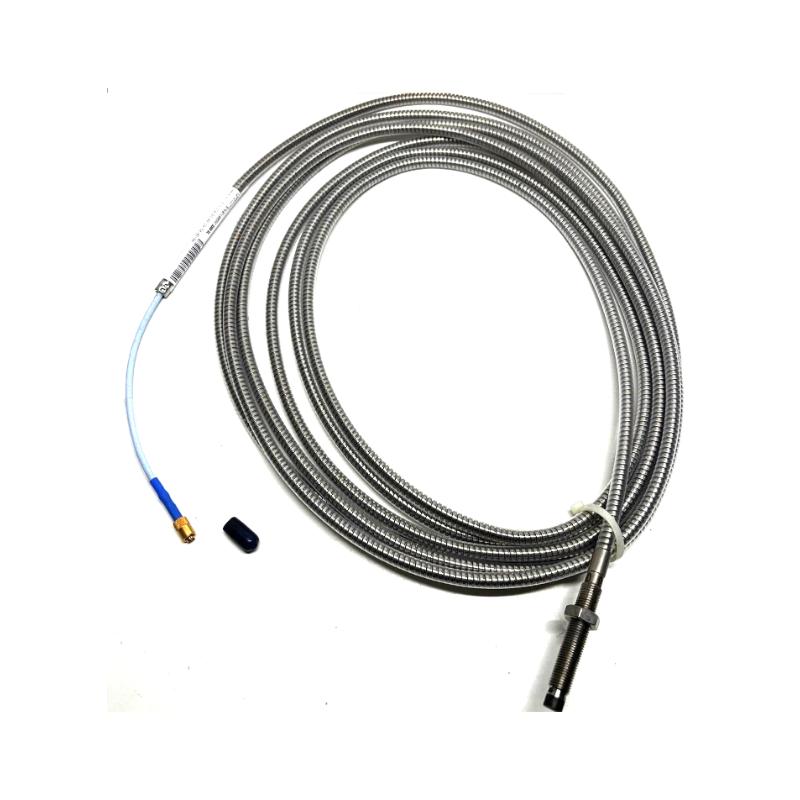
FAQ Section (QA Format)
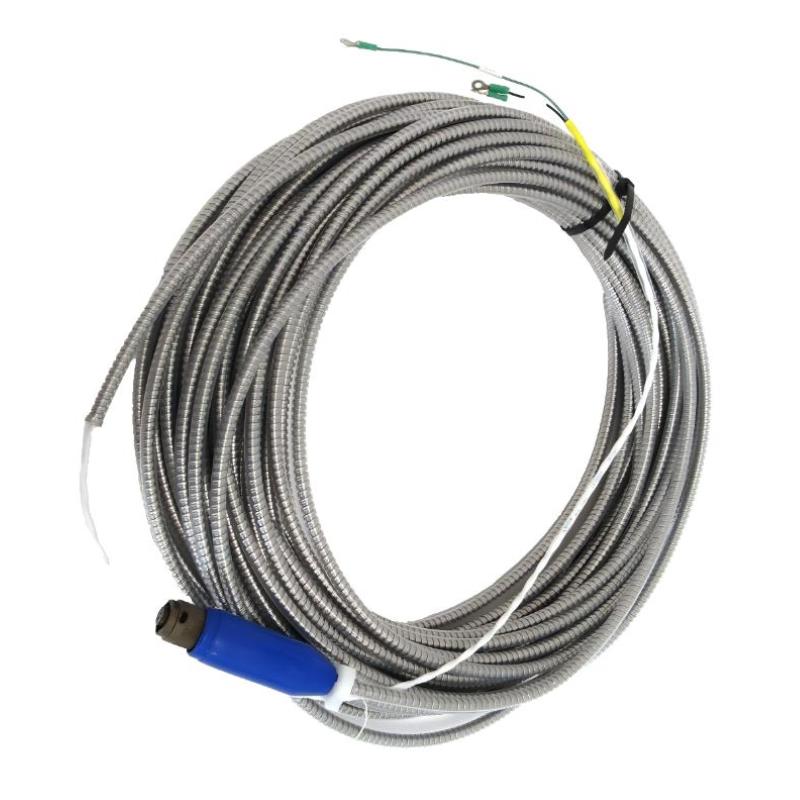
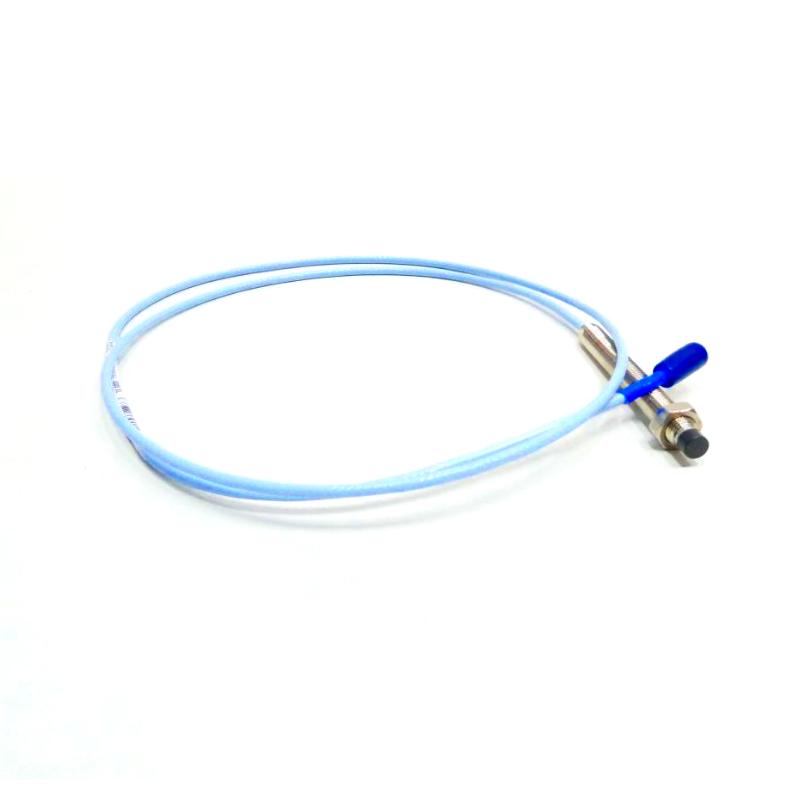
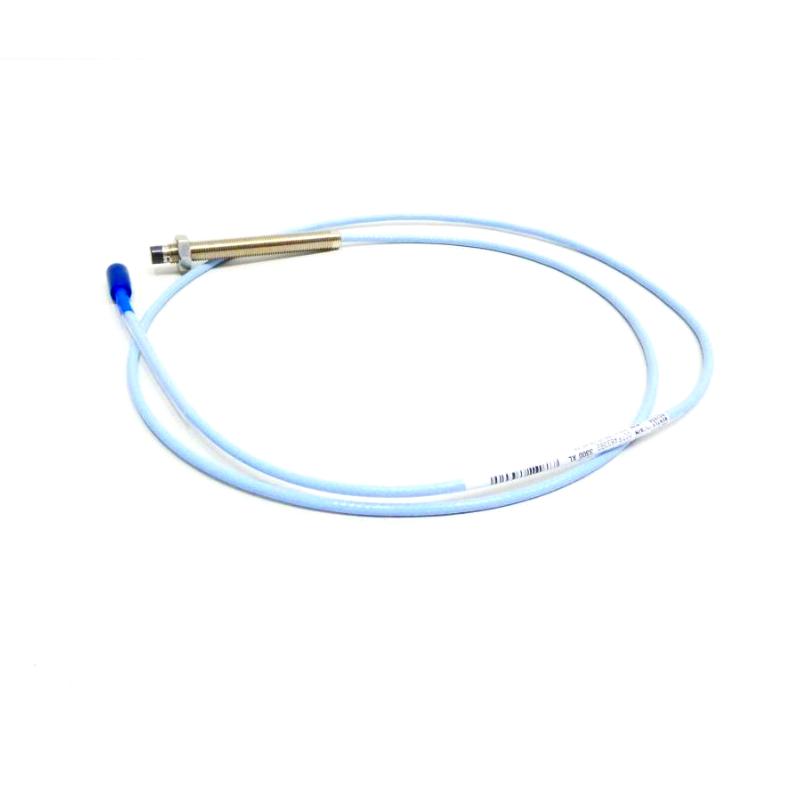
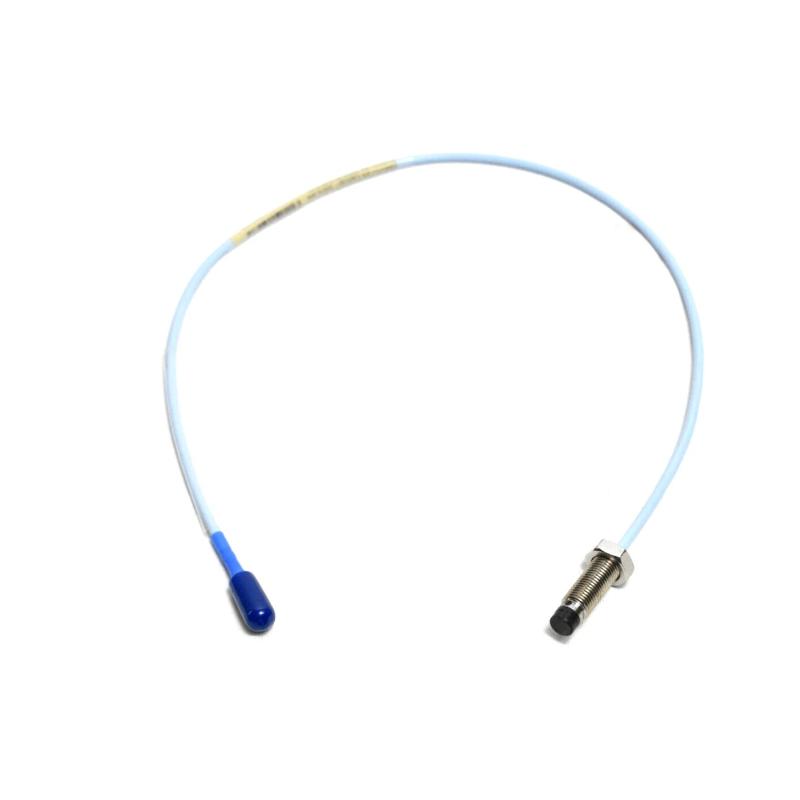
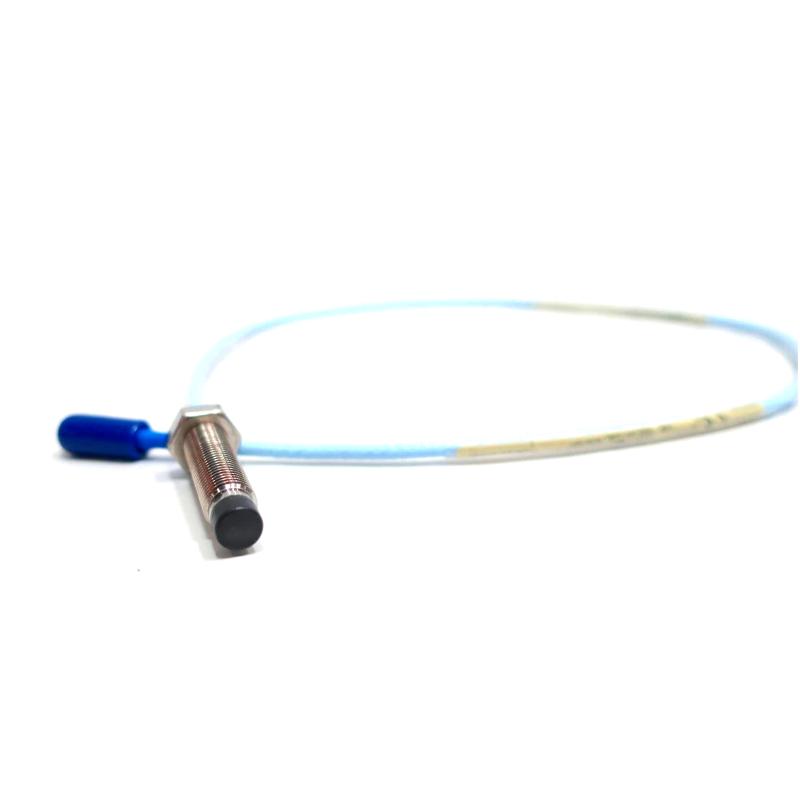
Q1: What is the purpose of the Bently Nevada 330103-00-03-05-02-00 sensor?
A1: This sensor is used for monitoring the vibration levels of industrial machinery to detect early signs of mechanical issues, enabling predictive maintenance and preventing unexpected failures.
Q2: How is the Bently Nevada 330103-00-03-05-02-00 sensor installed?
A2: The sensor is typically mounted using a bolt-on method, attaching securely to the machine’s surface where vibration needs to be monitored.
Q3: What are the key advantages of using this vibration sensor?
A3: This sensor provides high accuracy, is durable for harsh industrial environments, allows real-time data collection, and integrates easily into condition monitoring systems.
Q4: What types of machinery can benefit from this sensor?
A4: It is ideal for use on rotating equipment such as motors, turbines, compressors, pumps, and other critical machinery in industrial settings.
Q5: How does the Bently Nevada 330103-00-03-05-02-00 sensor help with maintenance?
A5: The sensor helps detect early signs of faults or wear in machinery, allowing operators to perform maintenance before failures occur, thus reducing downtime and repair costs.
Q6: Is this sensor suitable for extreme temperatures?
A6: Yes, the sensor operates within a temperature range of -40°C to +85°C, making it suitable for a wide range of industrial environments, from very cold to hot conditions.
Q7: What is the output signal of this sensor?
A7: The sensor provides a 4-20 mA output signal, which is standard for condition monitoring systems in industrial applications.
Q8: What is the weight of the sensor?
A8: The Bently Nevada 330103-00-03-05-02-00 sensor weighs 0.26 kg, which makes it easy to handle during installation and maintenance.
Q9: Can the Bently Nevada 330103-00-03-05-02-00 sensor be used in hazardous environments?
A9: Yes, the sensor is built to handle challenging environments such as high vibration, temperature extremes, and exposure to chemicals and moisture.
Q10: How frequently should I calibrate the sensor?
A10: Regular calibration is recommended to ensure the sensor provides accurate readings. Calibration frequency depends on usage, but once every 6-12 months is typically sufficient.
Related Products
Copyright @ 2026 Automations
XML|Links:
No:77501