FAQ Section (QA Format)
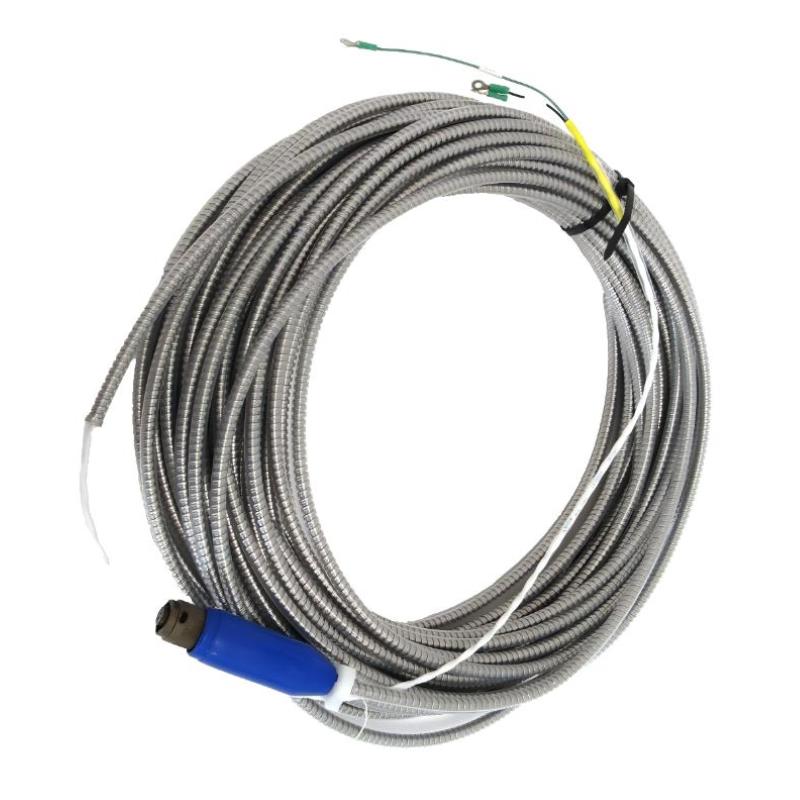
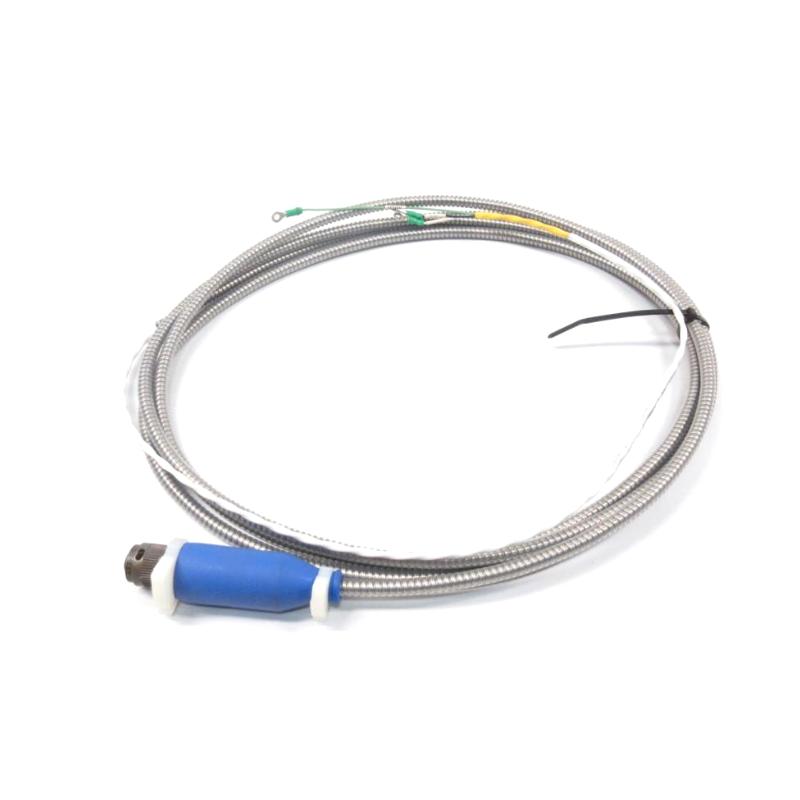
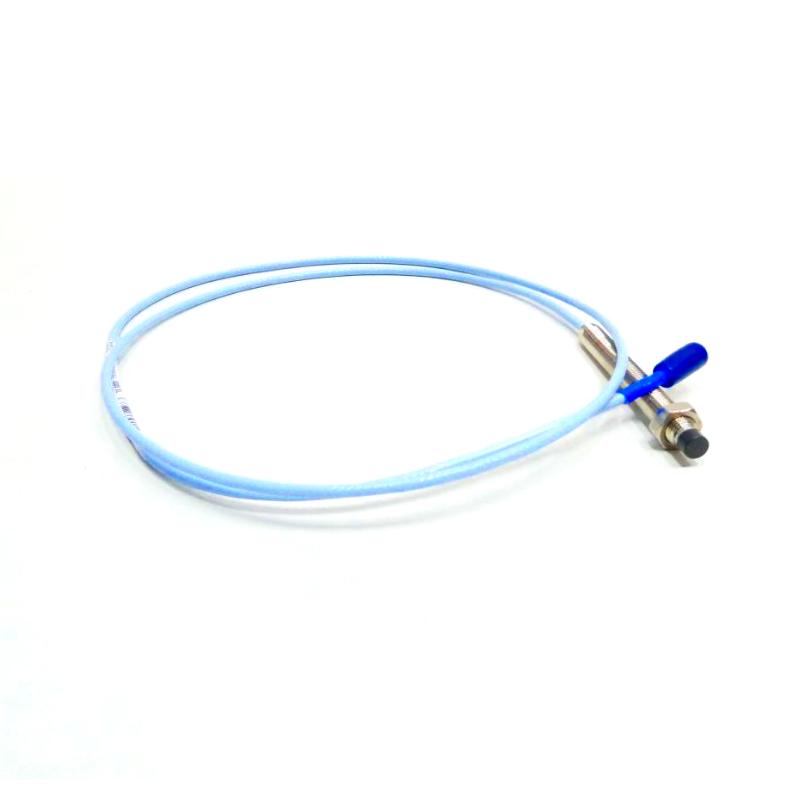
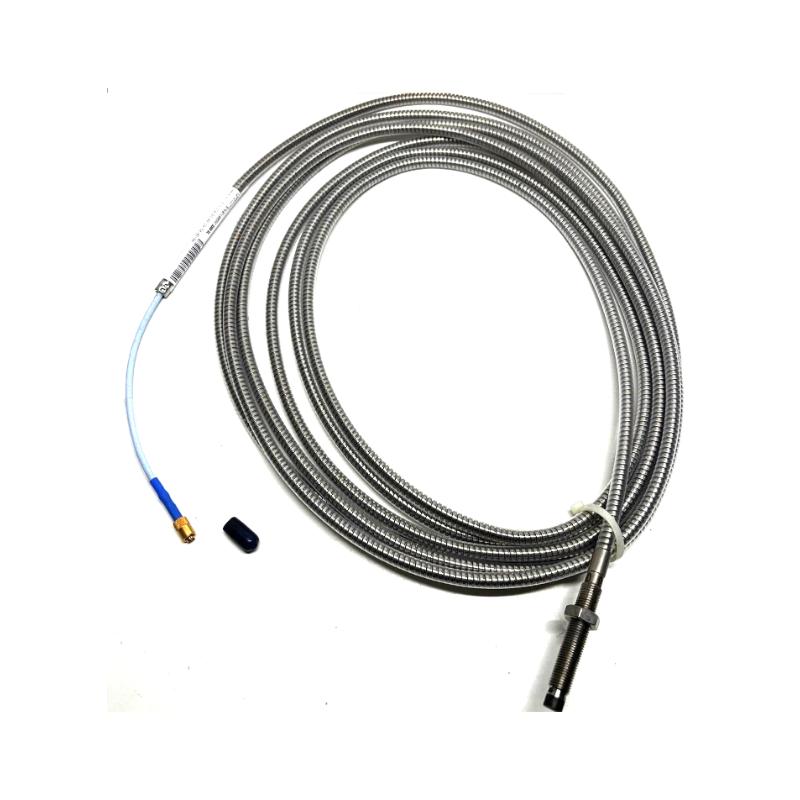
Q1: What is the primary function of the Bently Nevada 330103-00-03-05-12-00 sensor?
A1: The primary function of this sensor is to measure vibration levels in rotating machinery. It helps detect early signs of mechanical issues, which allows for timely maintenance before major failures occur.
Q2: How does the sensor help in predictive maintenance?
A2: By continuously monitoring vibrations, the sensor can detect early signs of faults such as misalignment or bearing wear, which helps schedule maintenance before these problems lead to unexpected breakdowns.
Q3: What types of equipment can be monitored with this sensor?
A3: The sensor is ideal for use with rotating equipment such as motors, turbines, pumps, compressors, and other machinery critical to industrial operations.
Q4: What is the range of vibration detection for this sensor?
A4: The sensor can measure vibration in the range of 0-50 mils (0-1.27 mm), which is suitable for detecting both large and subtle vibration anomalies.
Q5: How is the sensor mounted?
A5: The sensor is mounted using a bolt-on method, ensuring secure attachment to the machinery for accurate and reliable measurements.
Q6: Can this sensor withstand extreme temperatures?
A6: Yes, the sensor operates in a wide temperature range from -40°C to +85°C, making it suitable for use in both high and low-temperature environments.
Q7: What output does the sensor provide?
A7: The sensor provides a 4-20 mA analog output signal, which is compatible with most condition monitoring systems used in industrial environments.
Q8: How does the sensor contribute to reducing downtime?
A8: By detecting early signs of mechanical issues, the sensor helps schedule maintenance before equipment failure, significantly reducing unplanned downtime.
Q9: What is the weight of the sensor?
A9: The Bently Nevada 330103-00-03-05-12-00 sensor weighs approximately 0.30 kg, making it easy to handle during installation.
Q10: How often should this sensor be calibrated?
A10: It is recommended to calibrate the sensor periodically, typically every 6-12 months, to ensure accurate and reliable performance in monitoring vibrations.
Related Products
Copyright @ 2026 Automations
XML|Links:
No:77501