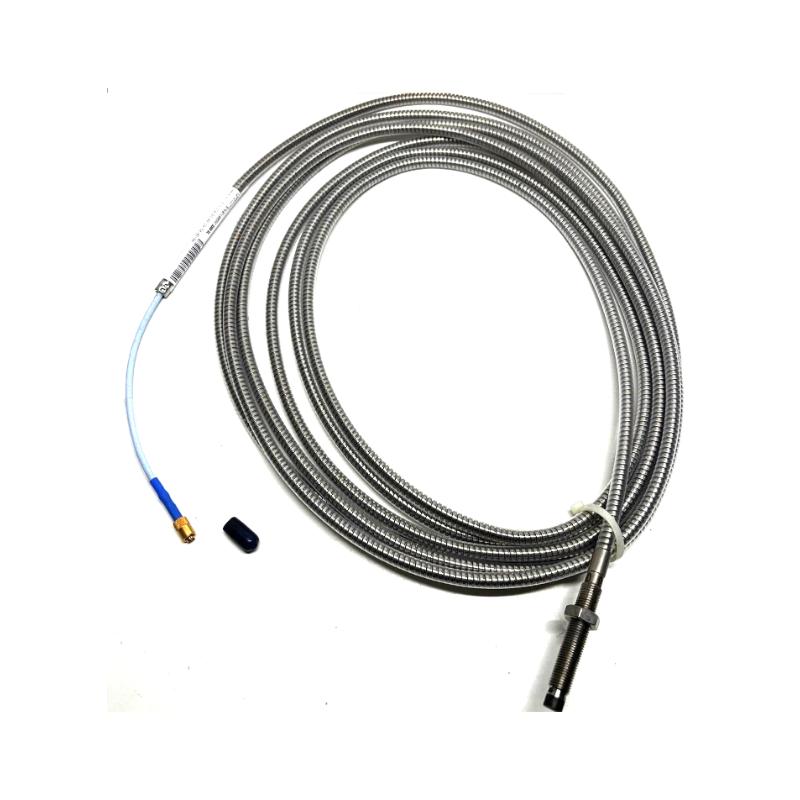
FAQ Section (QA Format)
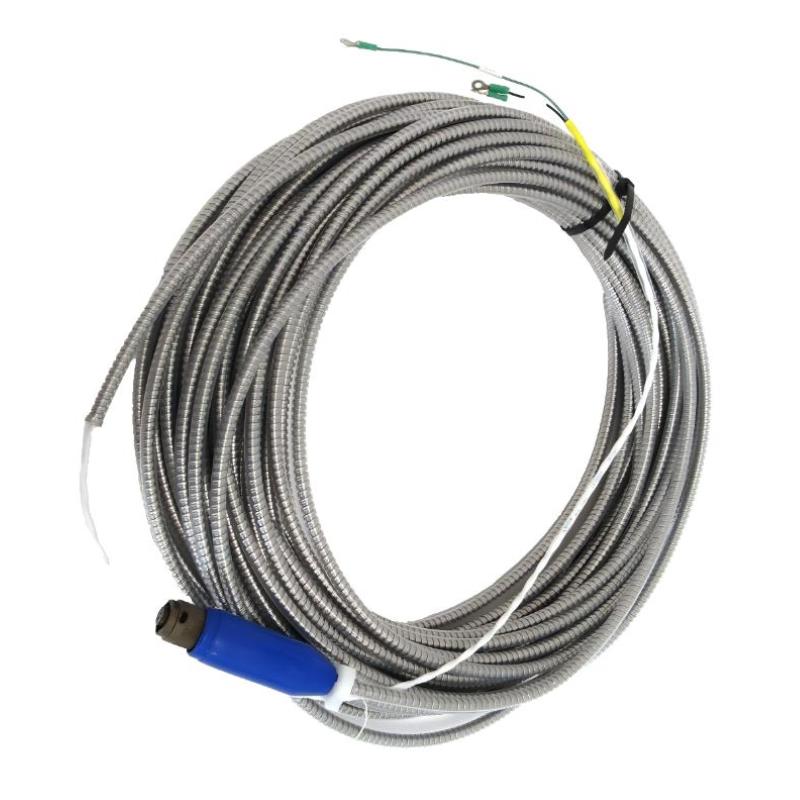
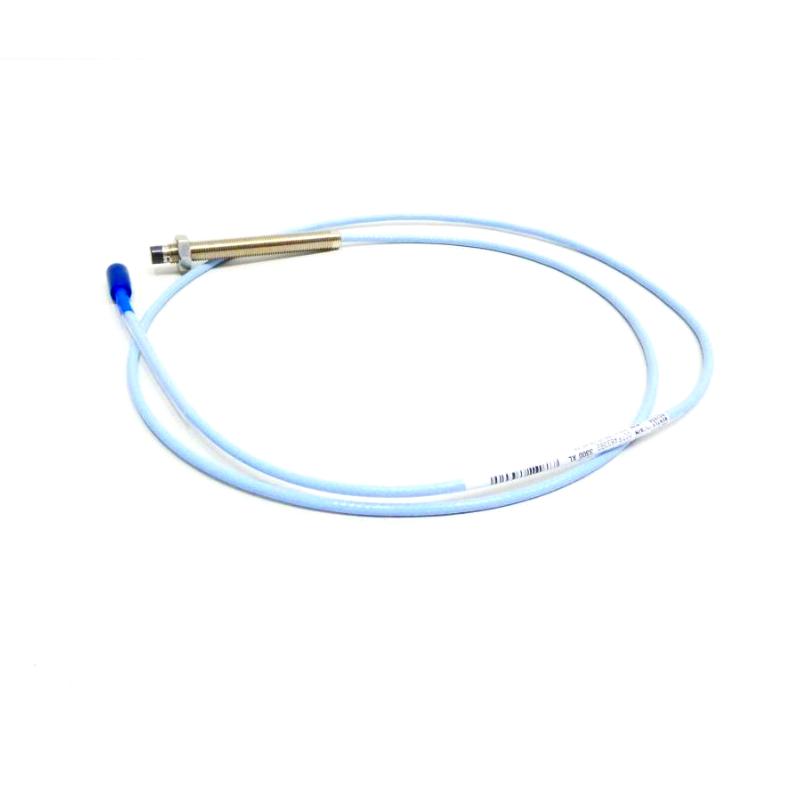
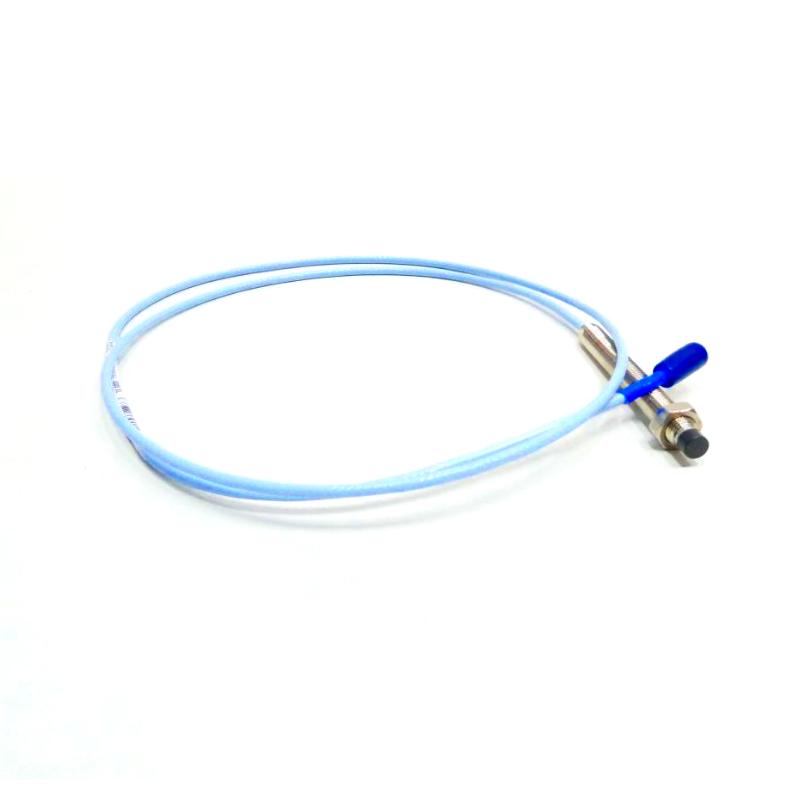
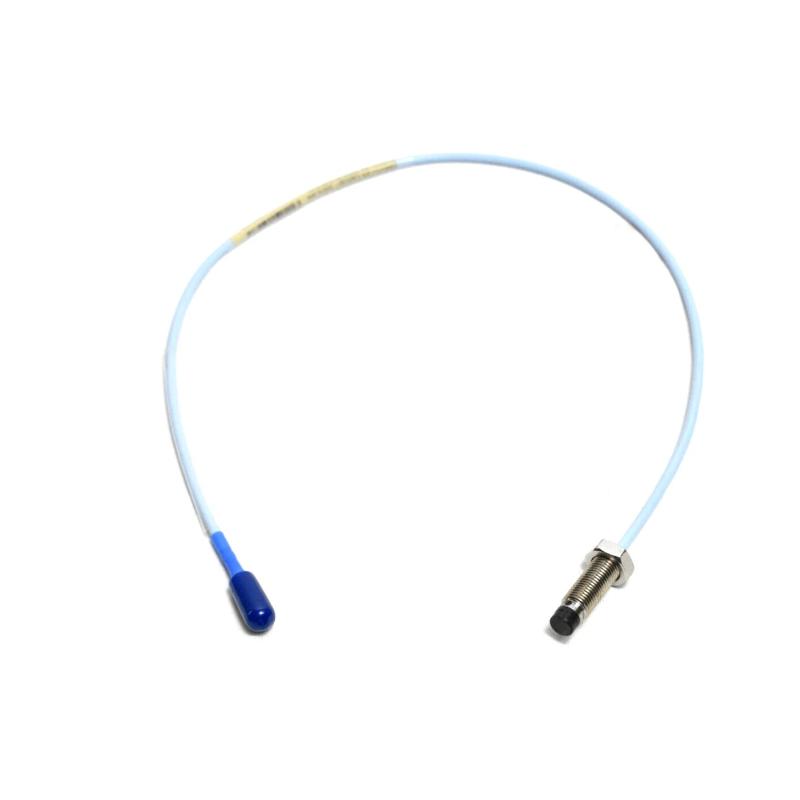
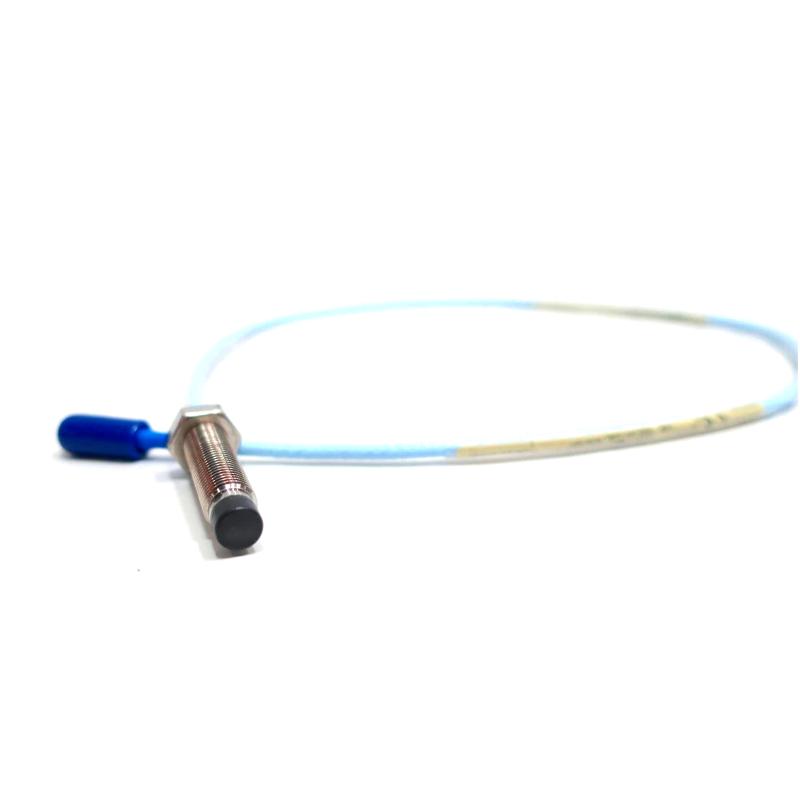
Q1: What is the main function of the Bently Nevada 330103-00-03-10-02-R0 sensor?
A1: The primary function of this sensor is to monitor vibration levels in rotating machinery and detect early signs of mechanical issues, such as misalignment, imbalance, or bearing wear.
Q2: What industries benefit from using this sensor?
A2: The sensor is widely used in industries such as power generation, oil and gas, manufacturing, and transportation, where reliable machinery performance is crucial.
Q3: How does this sensor help reduce downtime?
A3: The sensor provides early alerts when abnormal vibrations are detected, allowing for proactive maintenance and reducing the chances of unexpected failures and unplanned downtime.
Q4: What is the vibration measurement range of this sensor?
A4: The sensor measures vibrations in the range of 0-50 mils (0-1.27 mm), which is suitable for detecting both minor and significant changes in vibration levels.
Q5: What output does the sensor provide?
A5: The sensor provides a 4-20 mA output signal, which is commonly used for condition monitoring and is compatible with most industrial monitoring systems.
Q6: How is the sensor mounted?
A6: The sensor uses a bolt-on mounting style, which ensures secure attachment to machinery for accurate vibration measurements.
Q7: What is the operating temperature range of the sensor?
A7: The sensor operates within a temperature range of -40°C to +85°C, making it suitable for a wide range of industrial environments with varying temperature conditions.
Q8: What is the weight of the Bently Nevada 330103-00-03-10-02-R0 sensor?
A8: The sensor weighs approximately 0.30 kg, making it lightweight and easy to install without adding significant load to the machinery it monitors.
Q9: Can the Bently Nevada 330103-00-03-10-02-R0 be integrated with other monitoring systems?
A9: Yes, the sensor can be easily integrated with existing vibration monitoring systems and predictive maintenance platforms, offering flexibility in system expansion and data collection.
Q10: How frequently should the sensor be maintained?
A10: While the sensor is designed for long-term reliability, it is recommended to check it during routine maintenance inspections every 6 to 12 months to ensure it is functioning properly and providing accurate data.
Related Products
Copyright @ 2026 Automations
XML|Links:
No:77501