FAQ Section (QA Format)
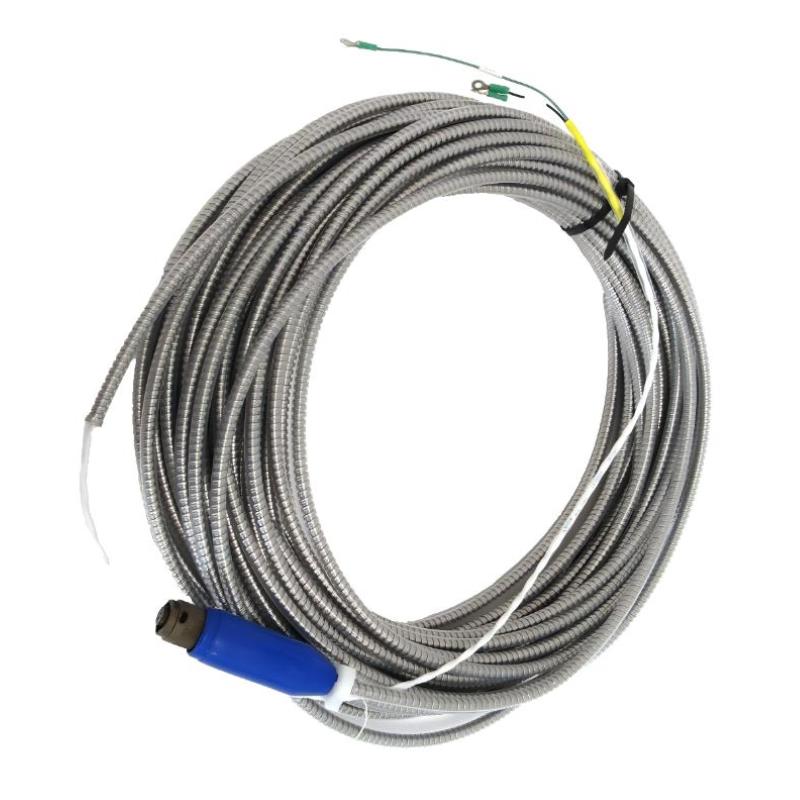
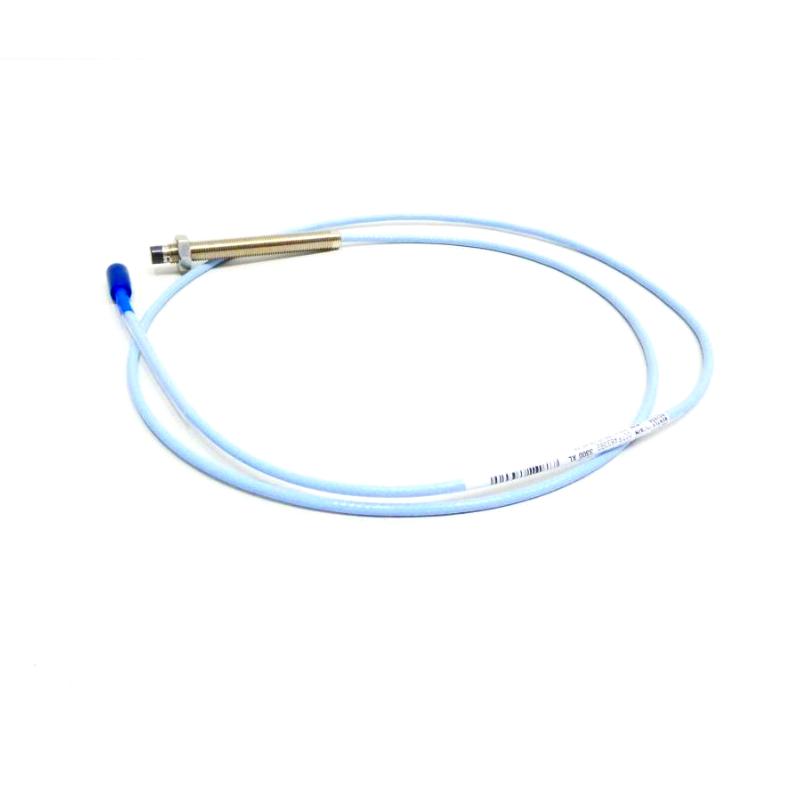
Q1: What is the primary function of the Bently Nevada 330103-00-04-05-01-00 vibration sensor?
A1: The primary function of this sensor is to monitor vibrations in rotating machinery, detecting early signs of faults like imbalance, misalignment, or bearing failure. It helps prevent downtime and reduce repair costs through predictive maintenance.
Q2: What industries benefit from using this vibration sensor?
A2: Industries such as power generation, oil and gas, manufacturing, and chemical processing can benefit from using this sensor to monitor critical machinery and prevent operational interruptions.
Q3: How accurate is the vibration sensor?
A3: The sensor provides highly accurate vibration measurements, capable of detecting even minute changes in vibration that may indicate the need for maintenance or repair.
Q4: What is the vibration range of this model?
A4: The 330103-00-04-05-01-00 sensor has a vibration range of 0-100 mils (0-2.54 mm), which is suitable for detecting vibrations in a variety of machinery applications.
Q5: What output signal does the sensor provide?
A5: The sensor outputs a 4-20 mA signal, which is compatible with most monitoring systems used in industrial applications.
Q6: What is the temperature range of this sensor?
A6: The sensor operates in a temperature range from -40°C to +85°C, making it suitable for use in a wide range of industrial environments, from very cold to extremely hot conditions.
Q7: How is the sensor mounted on machinery?
A7: The sensor uses a bolt-on mounting style, which ensures a secure attachment to the machinery being monitored.
Q8: Can this sensor be used in hazardous environments?
A8: Yes, the Bently Nevada 330103-00-04-05-01-00 sensor is built to withstand harsh and hazardous environments, such as high temperatures, vibrations, and exposure to industrial chemicals.
Q9: What is the weight of the sensor?
A9: The weight of the sensor is approximately 0.32 kg, making it lightweight and easy to handle during installation.
Q10: How often should the vibration sensor be calibrated?
A10: Calibration should be performed regularly, typically every 6 to 12 months, depending on the application and environmental conditions to ensure accurate measurements.
Related Products
Copyright @ 2026 Automations
XML|Links:
No:77501