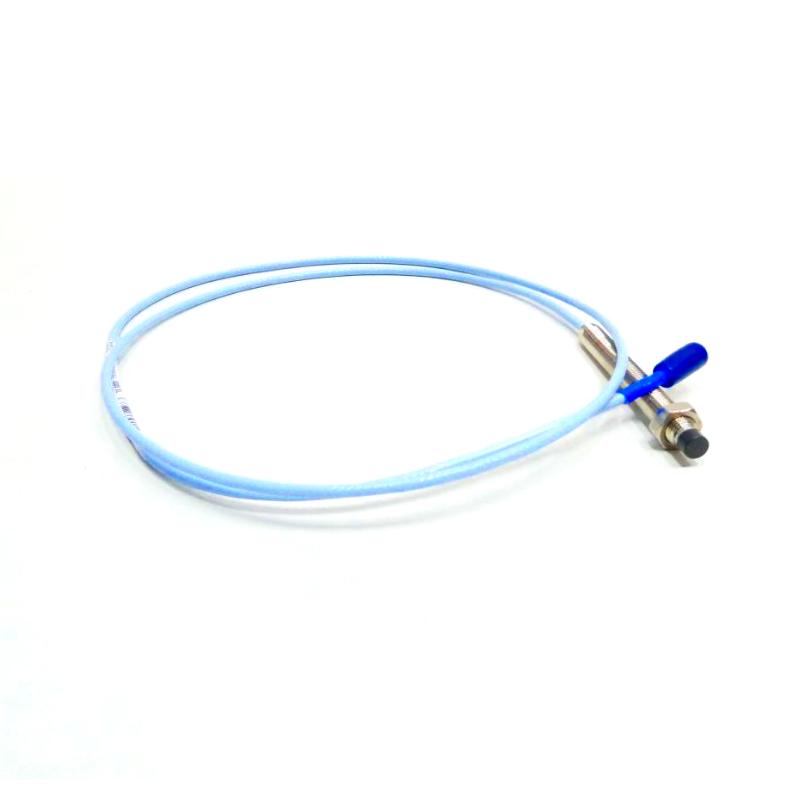
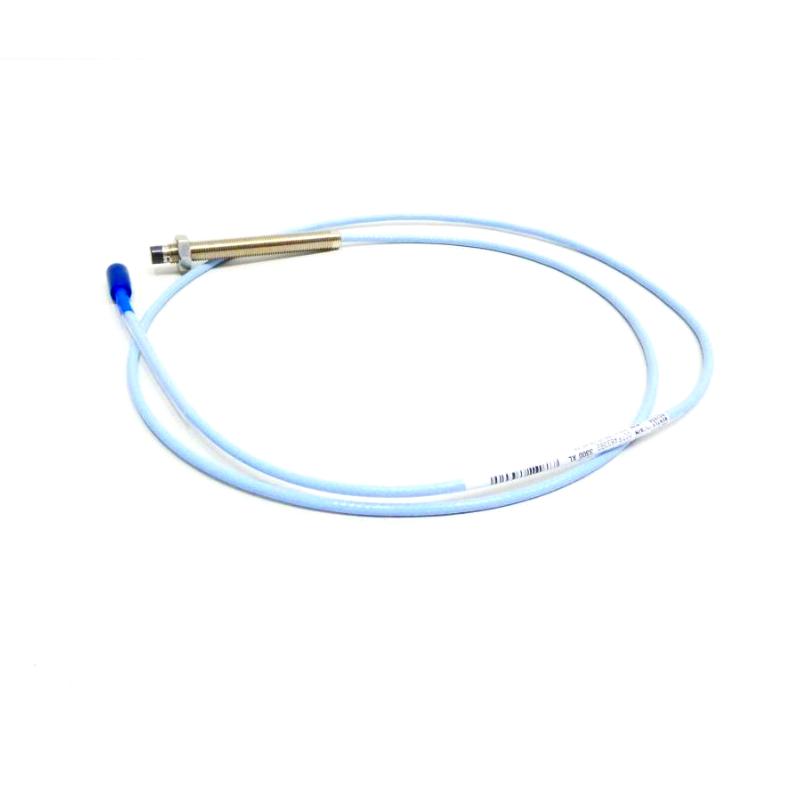
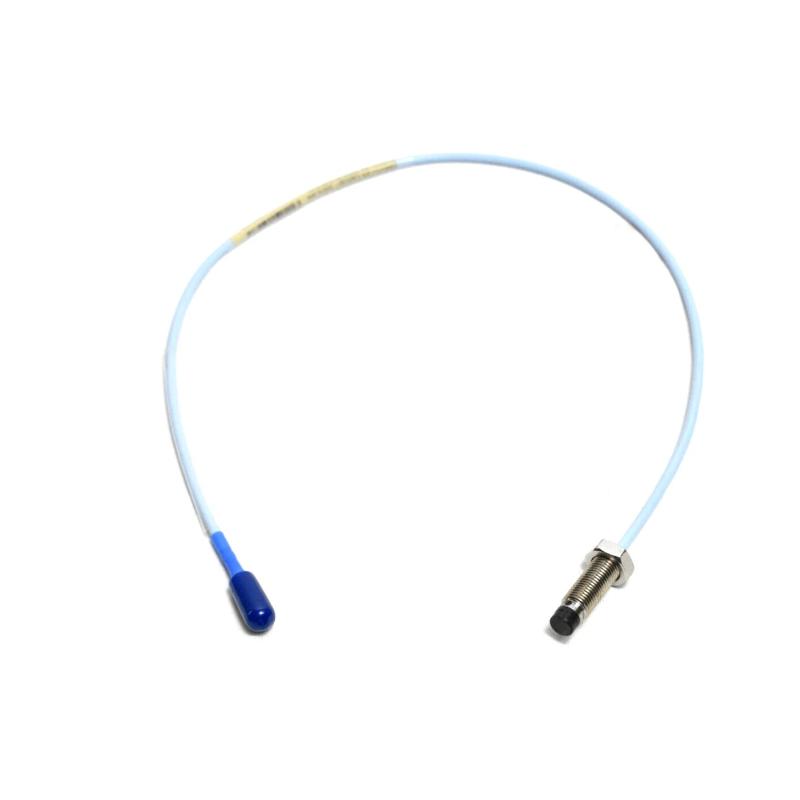
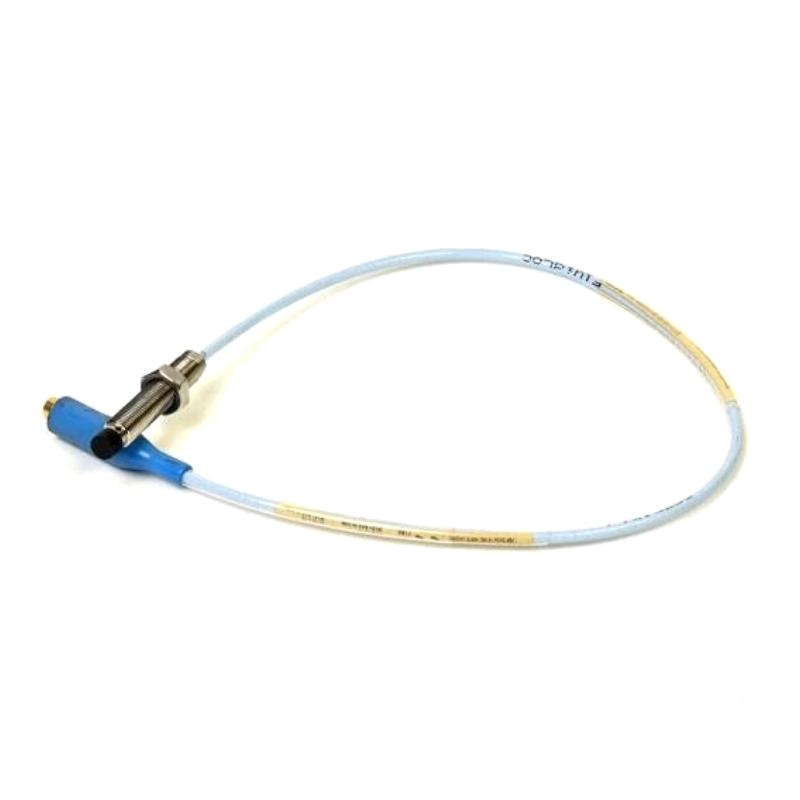
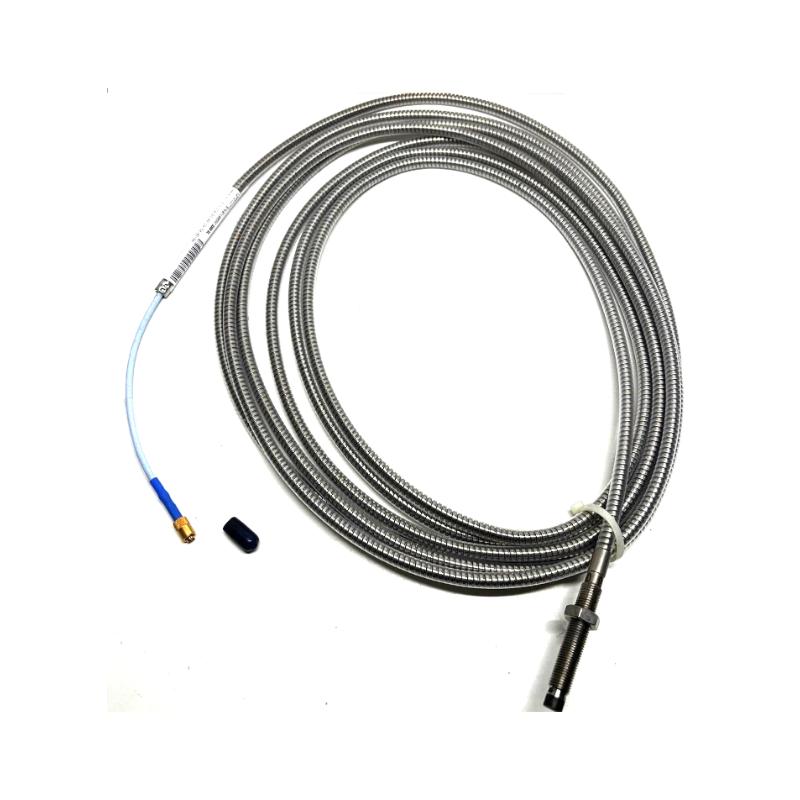
-
Q: What is the measurement range of the 330103-00-13-10-02-05 sensor?
A: The sensor has a measurement range of 0-2000 µm (microns), allowing it to detect a wide range of vibration amplitudes.
-
Q: What type of output signal does the sensor provide?
A: This sensor provides a 4-20 mA output signal, which is compatible with most industrial control systems.
-
Q: How does this sensor assist with predictive maintenance?
A: The sensor detects early signs of mechanical issues like imbalance, misalignment, or bearing wear, which enables timely intervention to prevent costly breakdowns.
-
Q: What is the weight of the 330103-00-13-10-02-05 sensor?
A: The sensor weighs 1.8 kg, which makes it suitable for easy installation on various machinery.
-
Q: What is the operating temperature range of the sensor?
A: The sensor operates within a temperature range of -40°C to +85°C, making it suitable for a wide variety of industrial environments.
-
Q: What is the environmental protection rating of the sensor?
A: The sensor has an IP65 rating, ensuring it is protected from dust and water ingress, providing reliability in harsh conditions.
-
Q: How is the 330103-00-13-10-02-05 sensor mounted?
A: The sensor is designed for direct surface mounting, which simplifies installation and ensures a secure connection.
-
Q: Is the sensor compatible with other Bently Nevada products?
A: Yes, the 330103-00-13-10-02-05 sensor integrates easily with other products from the Bently Nevada 3300 Series, making it ideal for large-scale monitoring systems.
-
Q: In which industries is the 330103-00-13-10-02-05 sensor typically used?
A: It is used in industries such as power generation, oil and gas, manufacturing, and aerospace for monitoring the health of critical rotating machinery.
-
Q: How does the sensor detect mechanical problems in machinery?
A: The sensor detects abnormal vibrations, such as changes in frequency and amplitude, that may indicate problems like imbalance, misalignment, or bearing damage. These early warnings allow operators to take corrective actions before a failure occurs.