Frequently Asked Questions (FAQ)
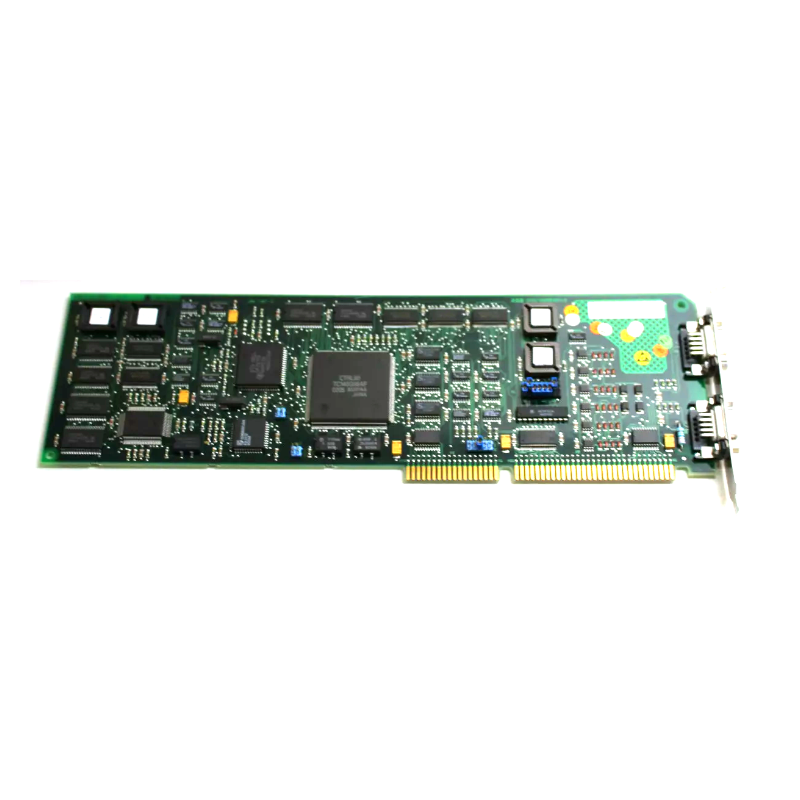
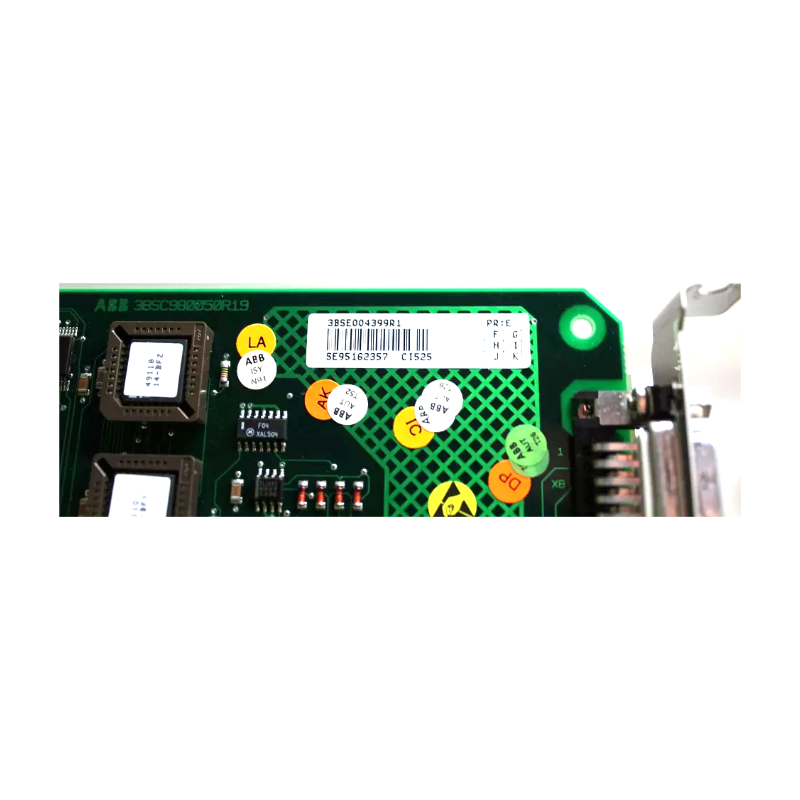
Q1: What is the main function of the CI525 module?
A1: CI525 serves as a communication interface that enables reliable data exchange between field devices and automation systems by processing analog and digital signals.
Q2: How many digital input channels are provided on CI525?
A2: The CI525 provides 16 digital input channels for monitoring binary signals.
Q3: How many analog output channels can the CI525 handle?
A3: It supports 4 analog output channels capable of transmitting conditioned analog signals.
Q4: What is the resolution of the analog inputs and outputs?
A4: CI525 uses 16‑bit resolution for analog inputs and outputs, ensuring high precision.
Q5: What signals can be connected to the analog input channels?
A5: The analog input channels support standard industrial voltage (0–10 V, ±10 V) and current (4–20 mA, 0–20 mA) signals.
Q6: Can CI525 operate in industrial environments with electrical noise?
A6: Yes. The module’s internal design includes isolation and filtering that improves resistance to electrical noise and interference.
Q7: How is the CI525 mounted in control systems?
A7: It is designed to be mounted on DIN rails or in modular racks, facilitating ease of installation.
Q8: What are the operating temperature limits for CI525?
A8: The module is rated for operation between –20 °C and +60 °C.
Q9: What visual indicators does CI525 provide?
A9: LED indicators display power status, I/O activity, and fault conditions for monitoring and diagnostics.
Q10: Is CI525 compatible with larger automation systems?
A10: Yes. CI525 interfaces seamlessly with other communication and control modules, making it suitable for large, scalable industrial automation networks.
Related Products
Copyright @ 2026 Automations
XML|Links:
No:77501