Frequently Asked Questions (FAQ)
Q1: What is the PM632 used for?
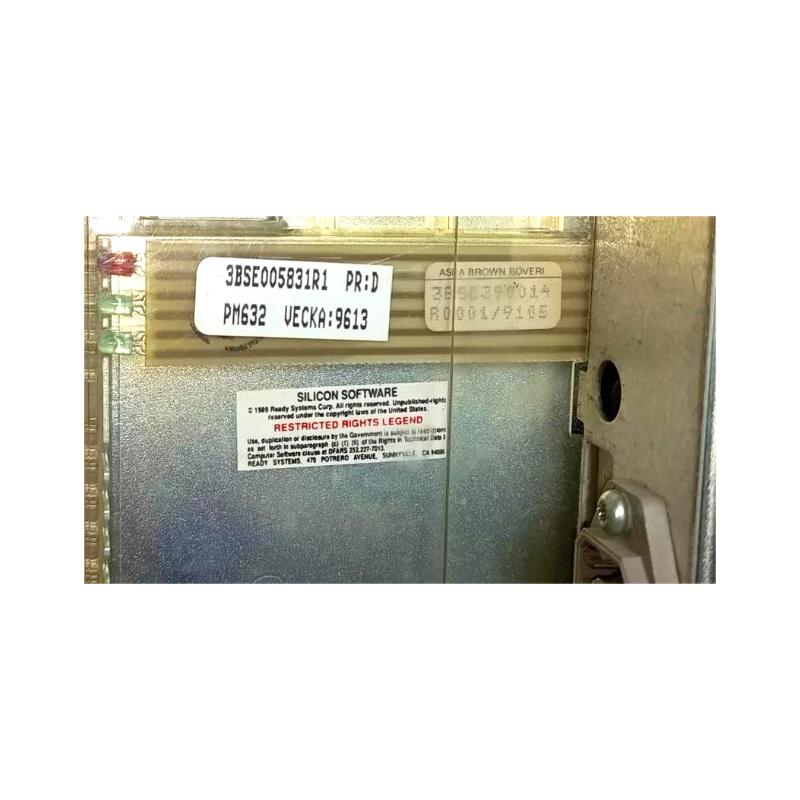
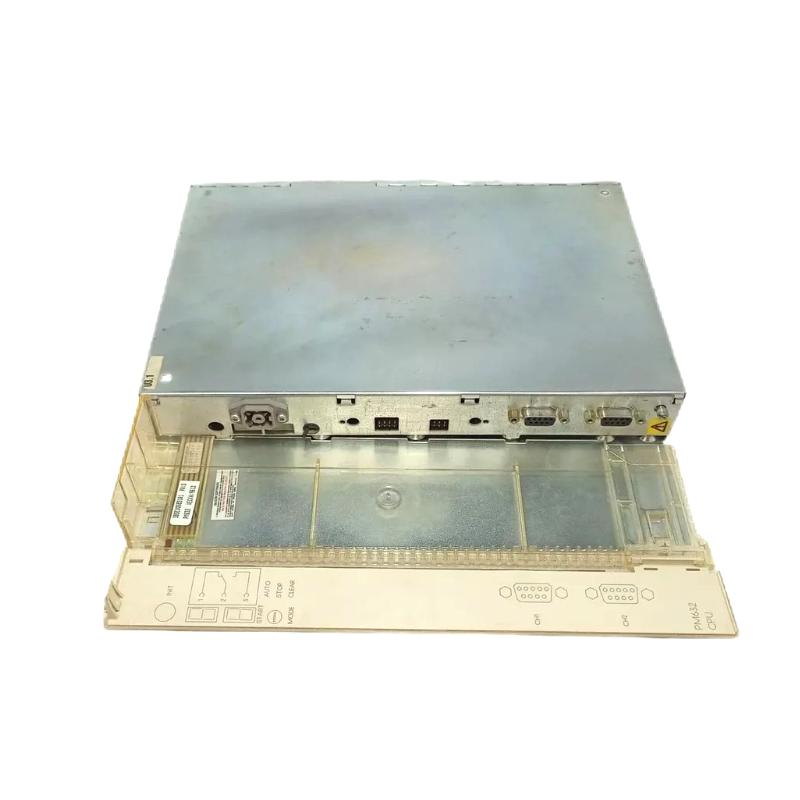
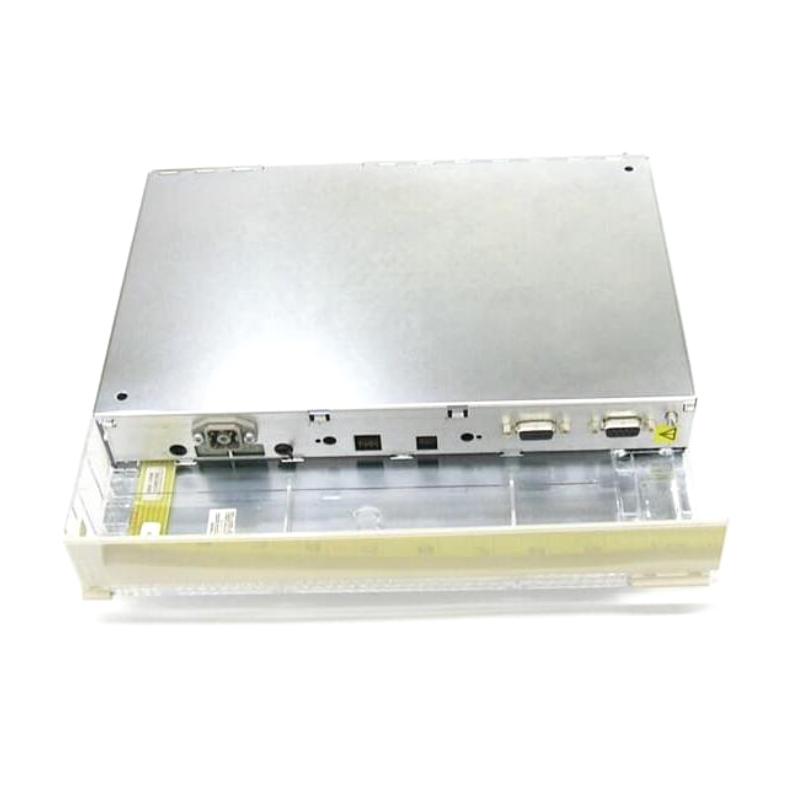
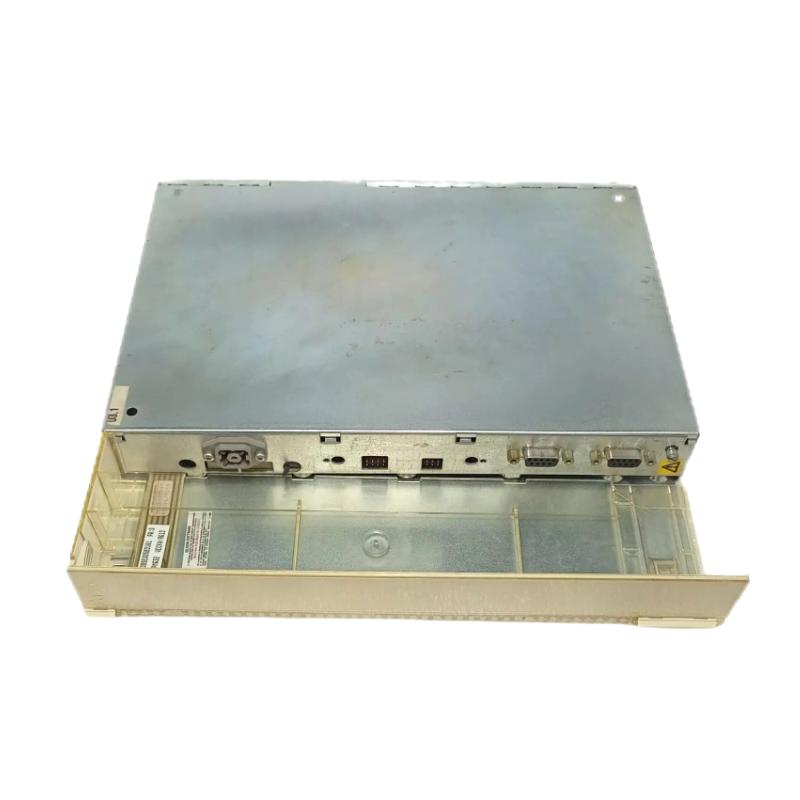
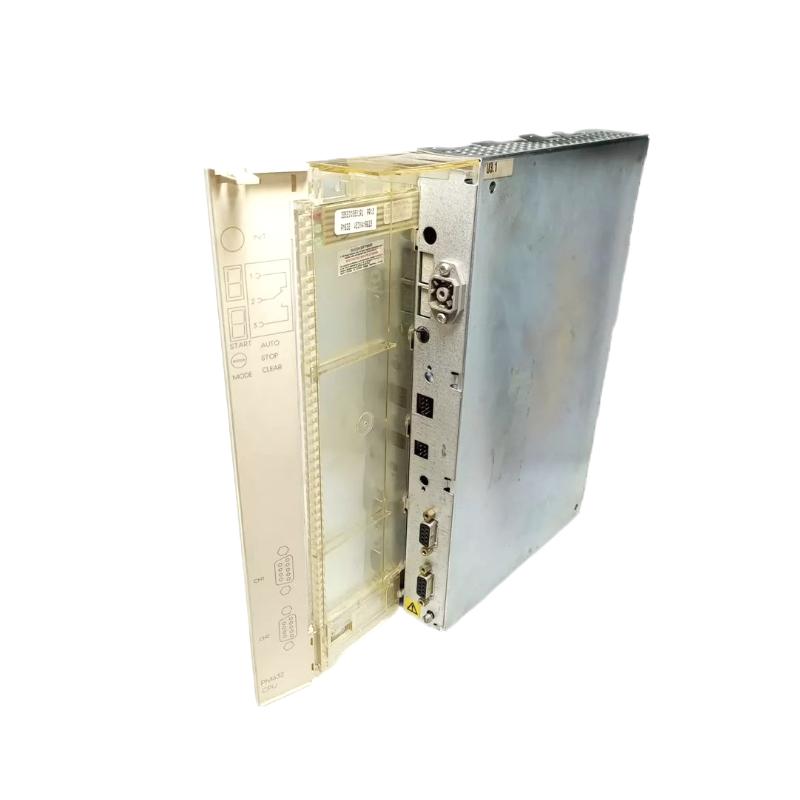
A1: The PM632 is a power management module used to monitor and control electrical systems, providing real-time data on key electrical parameters such as power, voltage, current, and energy consumption. It helps optimize energy usage and improve system efficiency.
Q2: How does the PM632 improve energy efficiency?
A2: The PM632 tracks energy consumption and provides insights into inefficiencies, allowing users to take action to optimize energy usage, reduce costs, and improve sustainability.
Q3: What protection features does the PM632 offer?
A3: The PM632 includes overcurrent, undervoltage, and short-circuit protection to safeguard the electrical system and equipment from damage.
Q4: What are the dimensions of the PM632?
A4: The PM632 has dimensions of 180 x 120 x 65 mm.
Q5: How much does the PM632 weigh?
A5: The PM632 weighs 1.9 kg.
Q6: Can the PM632 be used in renewable energy systems?
A6: Yes, the PM632 is well-suited for renewable energy systems such as solar and wind power, where it helps optimize power generation and integration into the grid.
Q7: What communication protocols are supported by the PM632?
A7: The PM632 supports Modbus, Profibus, and Ethernet communication protocols, providing flexibility for integration into various industrial control networks.
Q8: Is the PM632 suitable for large-scale industrial systems?
A8: Yes, the PM632 is designed for scalability and can be used in both small and large power management systems. It is ideal for large-scale applications requiring advanced monitoring and protection.
Q9: How does the PM632 help ensure system reliability?
A9: The PM632 includes built-in protection features that prevent damage from overcurrent, undervoltage, and short circuits, ensuring the power system operates safely and reliably.
Q10: How easy is it to install the PM632?
A10: The PM632 is DIN rail mountable, which makes installation simple and compatible with standard industrial setups.
Related Products
Copyright @ 2026 Automations
XML|Links:
No:77501