FAQ (Frequently Asked Questions)
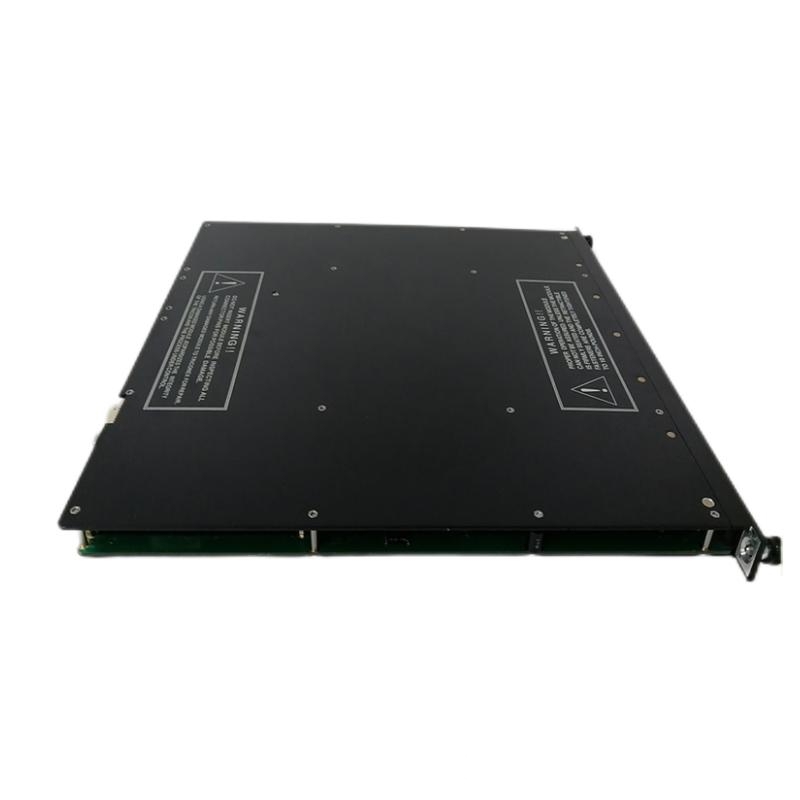
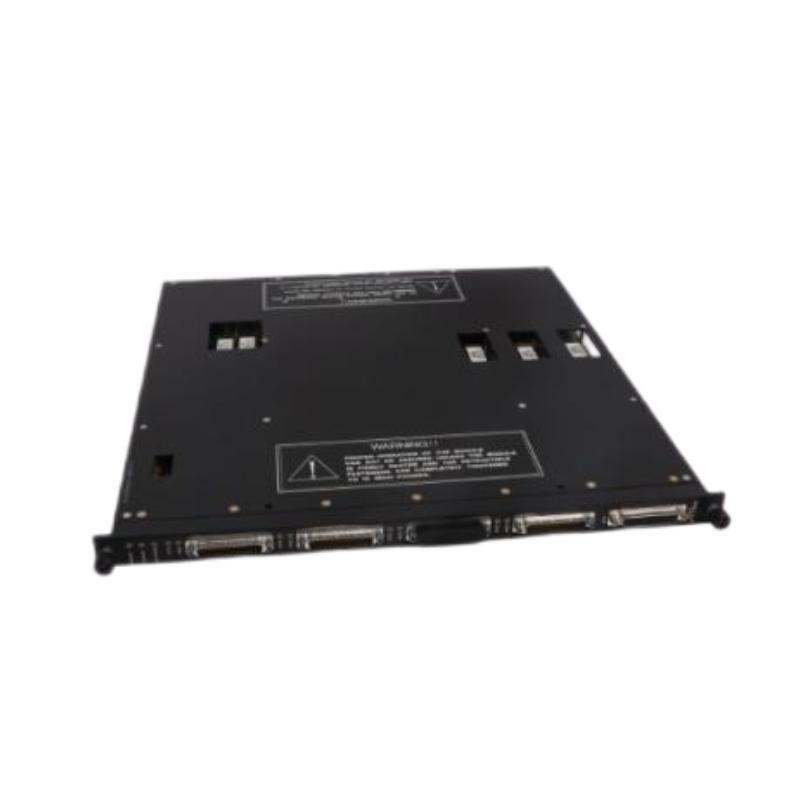
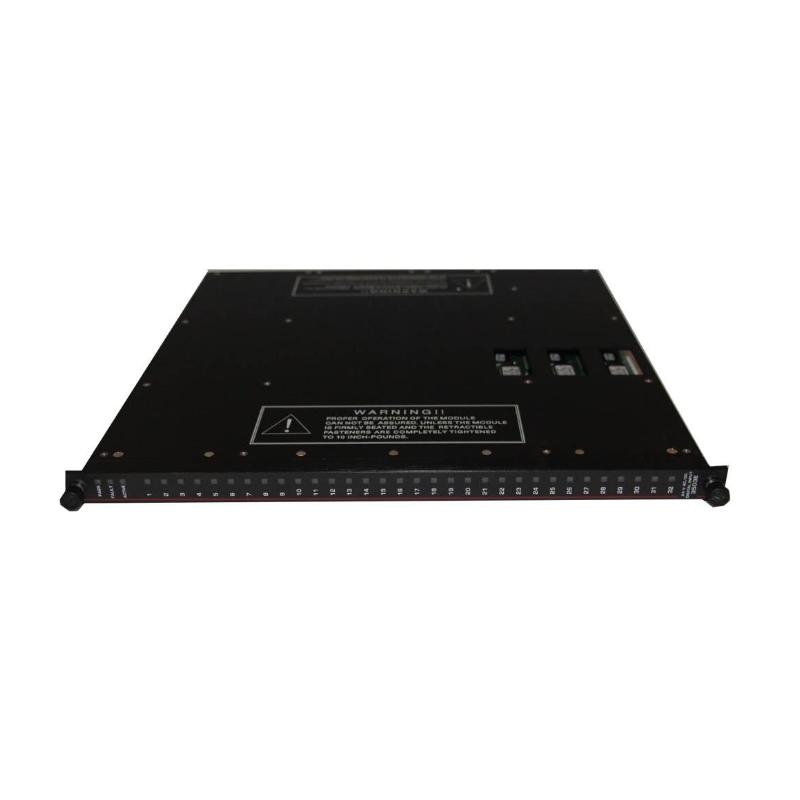
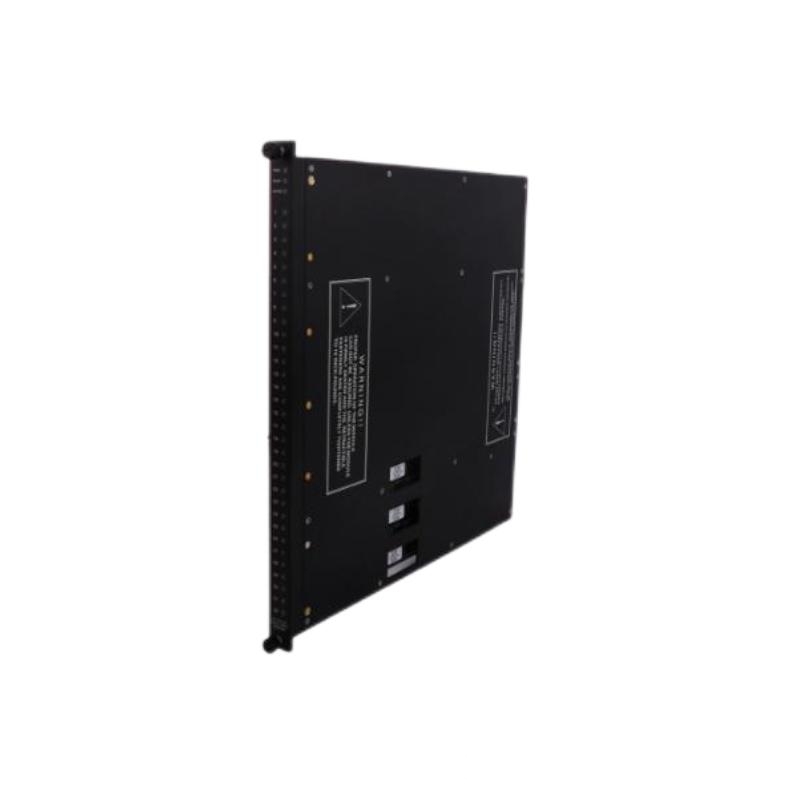
Q1: What is the function of the Triconex 3003 Processor Module?
A1: The Triconex 3003 Processor Module processes control logic, monitors signals, and performs fault detection in safety-critical systems to ensure safe and reliable operations.
Q2: How many processors does the 3003 module have?
A2: The 3003 module features dual processors for fault tolerance, ensuring continuous operation even in the event of a processor failure.
Q3: What is the operating temperature range of the Triconex 3003?
A3: The operating temperature range of the 3003 module is from -20°C to +60°C, making it suitable for various industrial environments.
Q4: What types of communication protocols does the Triconex 3003 support?
A4: The 3003 module supports Modbus RTU and PROFIBUS DP communication protocols, allowing it to integrate seamlessly into a wide range of industrial control systems.
Q5: What is the supply voltage required for the 3003 module?
A5: The 3003 module operates with a 24V DC supply voltage.
Q6: Is the Triconex 3003 suitable for hazardous environments?
A6: The 3003 is designed for industrial environments but requires appropriate enclosures for use in hazardous areas due to its IP20 protection class.
Q7: What diagnostic features does the 3003 module offer?
A7: The 3003 module features built-in diagnostics with LED indicators for real-time fault detection and system health monitoring.
Q8: How can the Triconex 3003 module be mounted?
A8: The 3003 module is designed for DIN rail mounting, simplifying installation in control panels and electrical cabinets.
Q9: What is the weight of the Triconex 3003 module?
A9: The weight of the Triconex 3003 module is 2.54 kg.
Q10: Can the 3003 module be used in safety instrumented systems (SIS)?
A10: Yes, the 3003 module is designed for use in safety instrumented systems and is SIL 3 certified for safety-critical applications.
Related Products
Copyright @ 2026 Automations
XML|Links:
No:77501