FAQ Section
Q1: What is a dry contact input module used for?
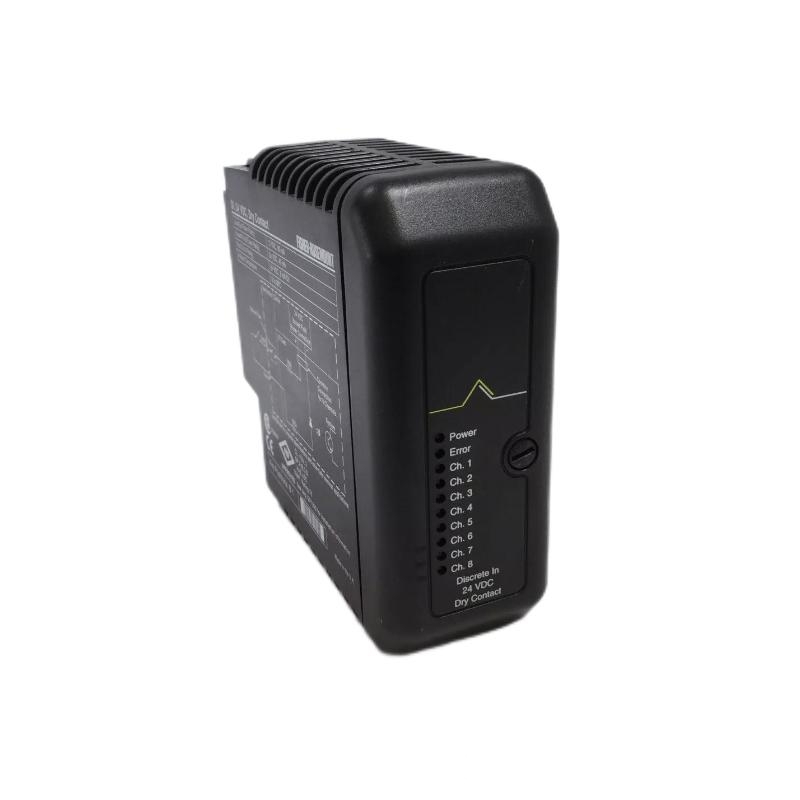
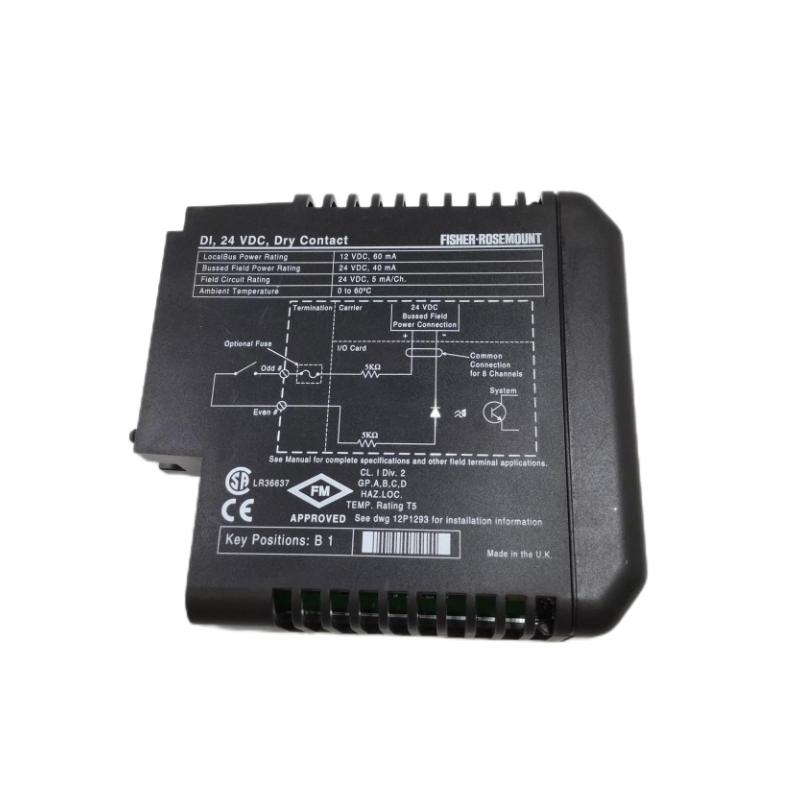
A1: It detects simple open/close states from field devices like switches and relays without requiring external voltage at the input side. It’s perfect for monitoring discrete conditions such as alarms, interlocks, or position switches.
Q2: Can I use this module in safety-critical applications?
A2: Yes, the module offers high isolation and reliable response times, making it suitable for many safety-related control functions. However, always verify your application’s specific certification needs.
Q3: Is it compatible with non-Emerson systems?
A3: It’s specifically designed for the DeltaV™ system, and while you might interface it via custom engineering, it performs best in DeltaV environments.
Q4: What’s the benefit of using dry contacts instead of powered inputs?
A4: Dry contact wiring is simpler, safer, and eliminates the need for external field power, reducing overall wiring complexity and cost.
Q5: How many channels does the module support?
A5: It provides 16 independent input channels, each capable of handling its own contact state.
Q6: Is there a specific installation orientation required?
A6: It’s typically DIN rail-mounted and designed for vertical installation, but always consult Emerson’s official installation manual for best practices.
Q7: How do I know the module is detecting the input correctly?
A7: You can monitor input status via the DeltaV™ system interface, where live diagnostics and status indicators are provided.
Q8: Is there galvanic isolation between channels?
A8: Yes, the module provides isolation between channels and the system bus, enhancing protection and signal integrity.
Q9: Can I replace this module hot-swap style without system shutdown?
A9: Yes, the DeltaV™ platform supports hot-swap capability, minimizing downtime during maintenance.
Q10: What is the operating temperature range?
A10: The module can operate in a temperature range of -20°C to +60°C, which covers most industrial environments.
Related Products
Copyright @ 2026 Automations
XML|Links:
No:77501