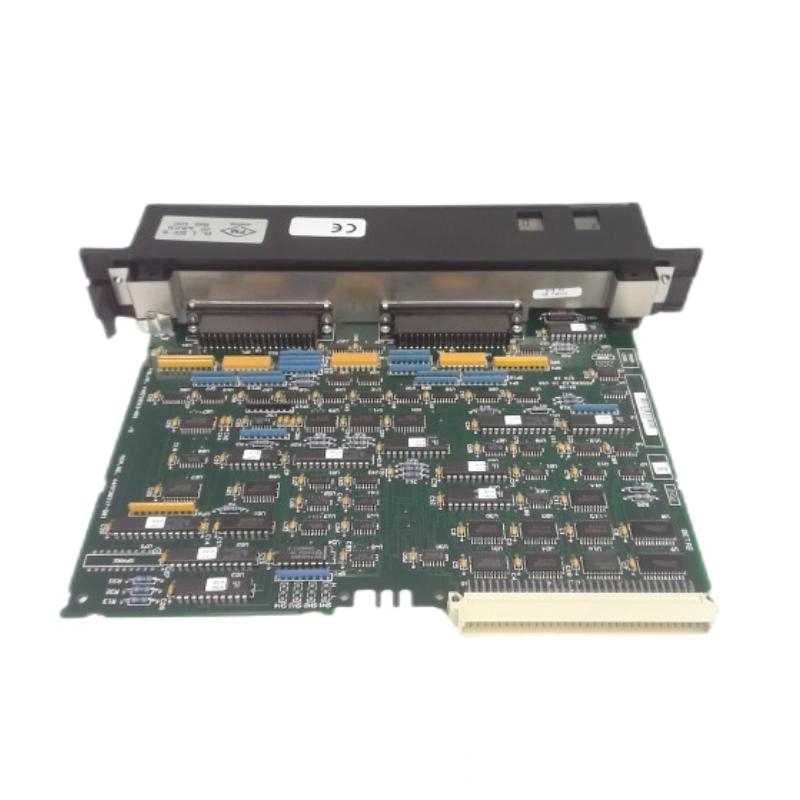
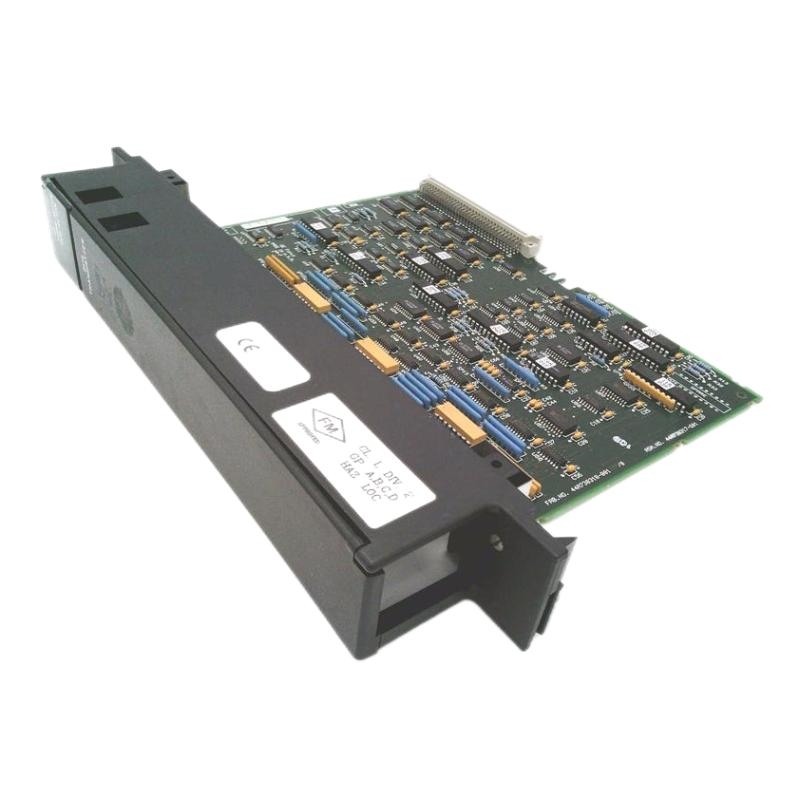
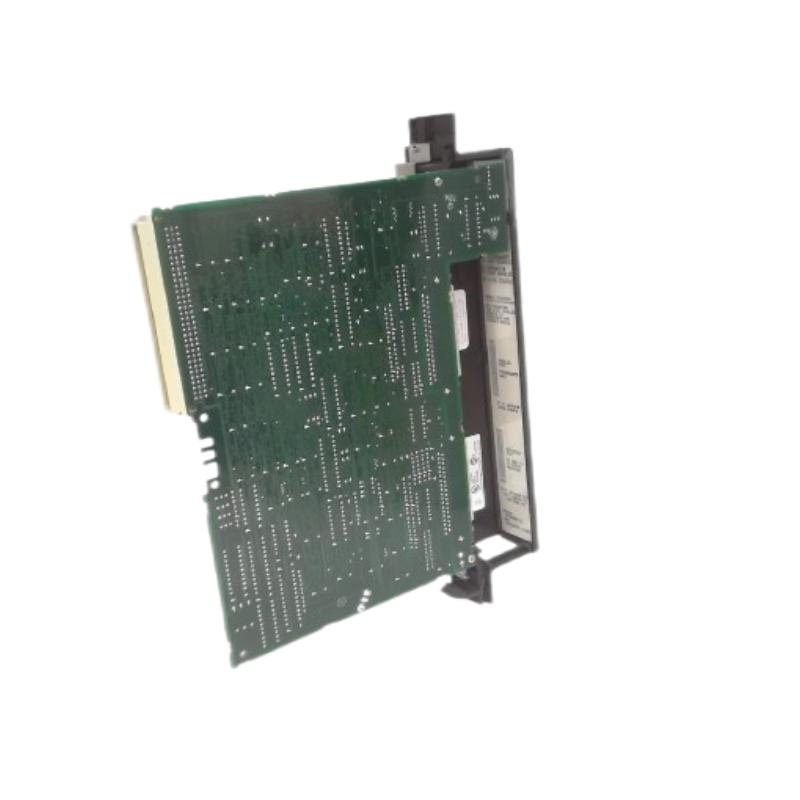
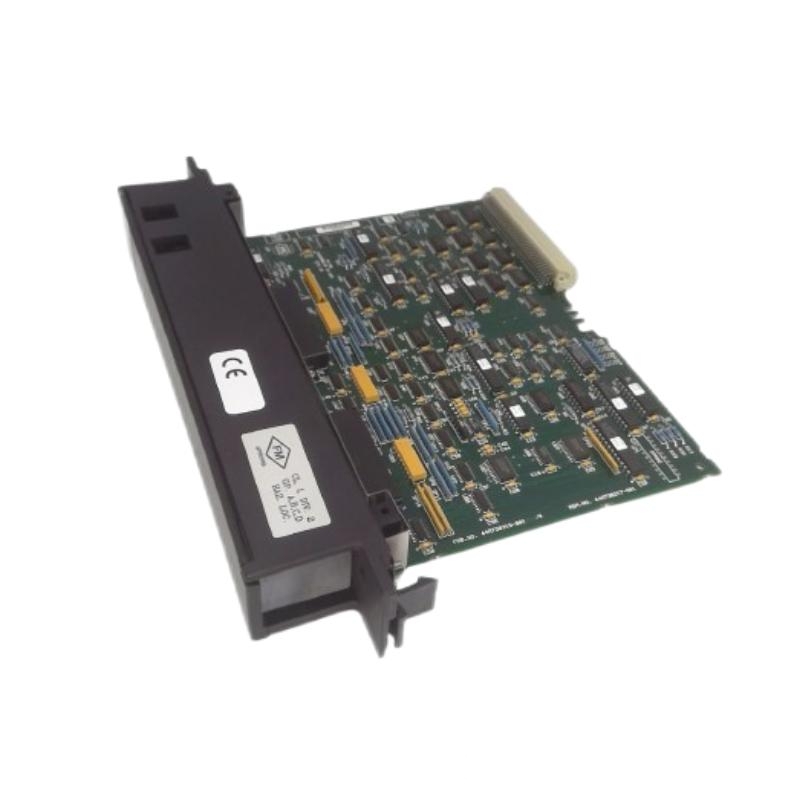
Frequently Asked Questions (FAQ)
Q1: What is the primary function of the GE IC697BEM713 module?
A1: It transmits I/O data from the CPU rack to remote I/O racks via fiber optic communication as part of an expanded I/O network.
Q2: Is the IC697BEM713 compatible with all GE PLC series?
A2: No, it is specifically designed for the GE 90-70 Series and works best with related modules like the BEM715 receiver.
Q3: What type of communication cable is used with this module?
A3: It uses fiber optic cables to transmit data, which are ideal for long distances and environments with electrical interference.
Q4: How many rack slots does the IC697BEM713 occupy?
A4: It requires one slot in the rack, making it compact and space-efficient.
Q5: What is the operating temperature range?
A5: The module operates between 0°C and 60°C, suitable for most industrial conditions.
Q6: Can I use the IC697BEM713 for real-time applications?
A6: Yes, it supports real-time data communication, critical for time-sensitive automation systems.
Q7: Is the installation process complicated?
A7: No, the module is rack-mounted and integrates easily with other 90-70 modules, making installation straightforward.
Q8: What’s the difference between BEM713 and BEM715?
A8: The BEM713 is the transmitter, while the BEM715 is the receiver. They work together for long-distance I/O data communication.
Q9: How do I ensure compatibility with my existing GE PLC system?
A9: Ensure your PLC is part of the 90-70 series and has available rack space; also confirm your I/O architecture supports fiber transmission.
Q10: What’s the advantage of using fiber optic over copper wiring for this module?
A10: Fiber optics offer better noise immunity, longer range, and higher data integrity, especially in electrically noisy environments.
Related Products
Copyright @ 2026 Automations
XML|Links:
No:77501