FAQ (Frequently Asked Questions)
Q1: What sensor types does the IS220PRTDH1B support?
A1: It supports platinum resistance temperature detectors (RTDs) such as Pt100 and Pt1000, allowing 2‑wire, 3‑wire or 4‑wire sensor connections.
Q2: How many channels are on this module?
A2: The module typically has 8 RTD input channels in one pack module.
Q3: What is the allowed input temperature range for sensors?
A3: It can accommodate RTD sensor measurement ranges such as roughly –200 °C to +850 °C depending on sensor type, wiring and configuration.
Q4: What is the operating ambient temperature for the module?
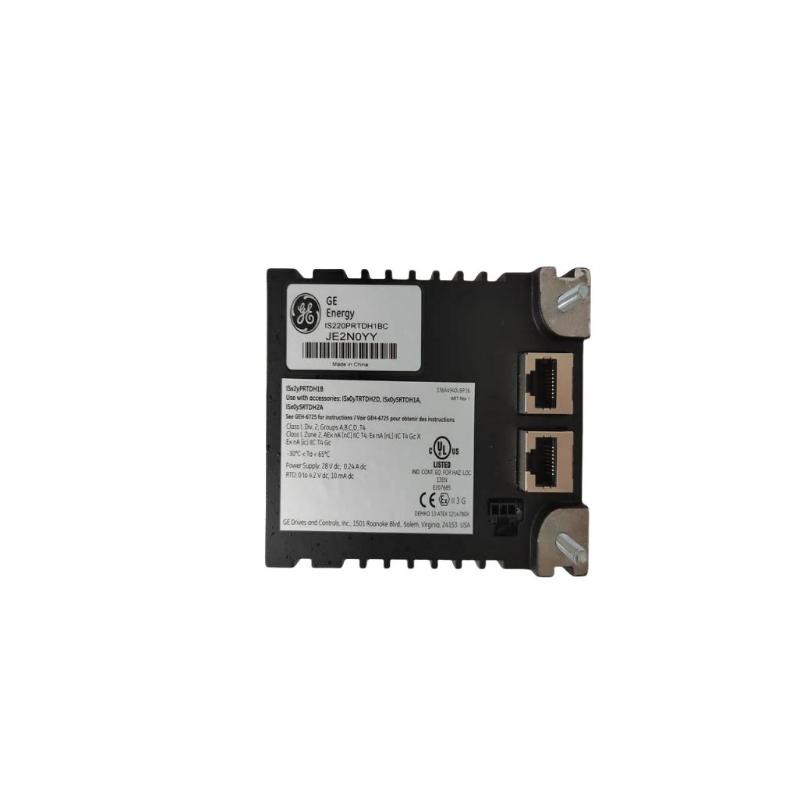
A4: The module is rated for an ambient operating temperature of approximately –30 °C to +65 °C (industrial grade).
Q5: What power supply is required for this module?
A5: The module requires a 24 V DC nominal supply (or 28 V DC typical in I/O rack) and draws around 0.24 A or similar under full load.
Q6: Is the module suitable for hazardous area installation?
A6: Yes. There are versions of the module that are certified for hazardous locations (e.g., ATEX Zone or Class I Division 2) when installed according to approved wiring practices.
Q7: How is the module installed in the control system rack?
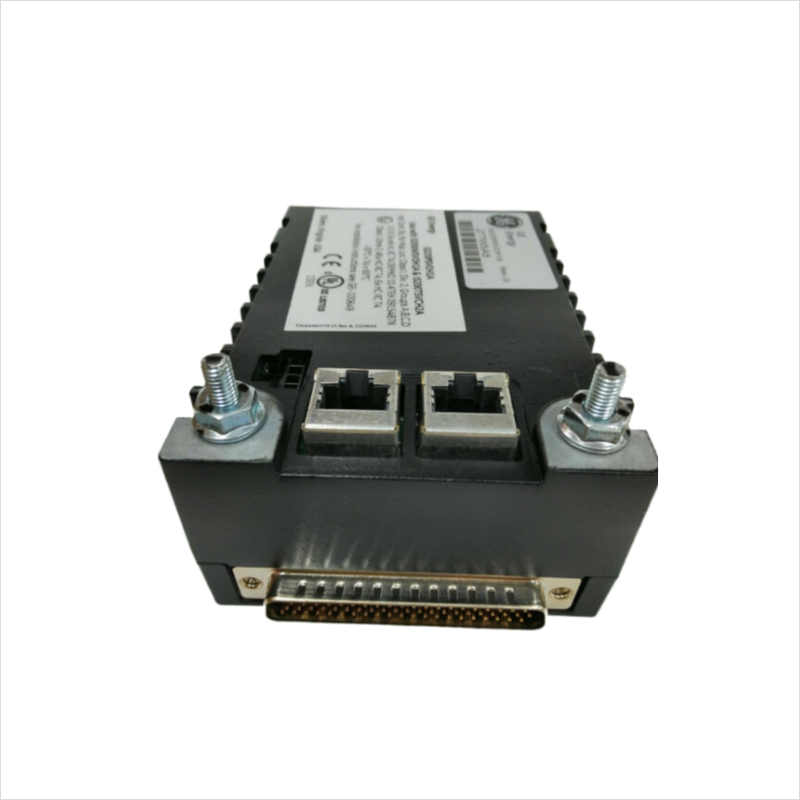
A7: It is installed in the Mark VIe I/O rack/backplane. Wiring from the terminal board to the RTD sensors must be correct (2‑wire/3‑wire/4‑wire), and the module must be connected to the communication network.
Q8: What diagnostics or status indicators are available?
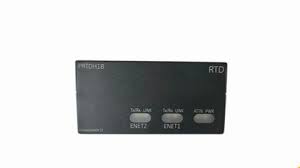
A8: Front‑panel LEDs indicate power, communication status, channel fault or attention. The control system can use diagnostics to log sensor open/short conditions, channel failure, or communication loss.
Q9: How does the module handle lead resistance in RTD wiring?
A9: The module supports 2/3/4‑wire RTD connections and can compensate for lead resistance (up to ~15 Ω) to maintain measurement accuracy.
Q10: What is the expected service life or reliability of the module?
A10: The module is built for long‑term industrial operation; its actual service life depends on installation environment (temperature, vibration, humidity) and maintenance practices. With regular inspection, it can reliably serve many years.
Related Products
Copyright @ 2026 Automations
XML|Links:
No:77501