Frequently Asked Questions (FAQ)
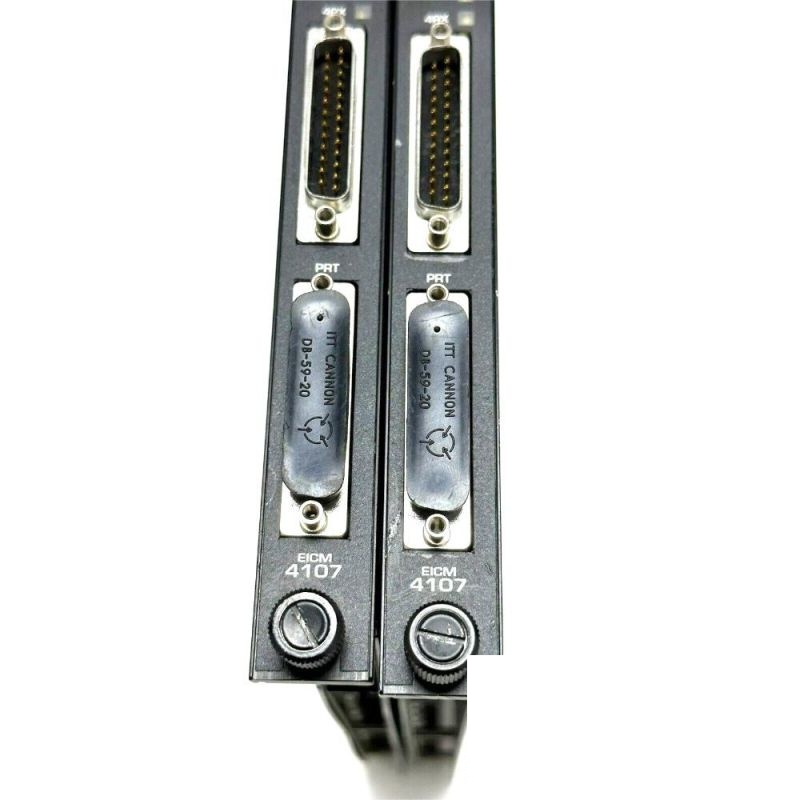
Q1: What is the primary function of the Triconex 4107 communication module?
A1: The 4107 module enables high-performance communication between Triconex safety systems and external control systems, ensuring secure and reliable data transmission for critical processes.
Q2: What communication protocols does the Triconex 4107 support?
A2: The module supports Modbus TCP, Profibus, and Ethernet protocols, ensuring seamless integration with various industrial control and automation systems.
Q3: Can the Triconex 4107 module be used in redundant configurations?
A3: Yes, the 4107 supports redundancy, ensuring high availability for critical applications where continuous operation is required.
Q4: What is the operating temperature range for the Triconex 4107 module?
A4: The module operates effectively in temperatures ranging from -40°C to +70°C, making it suitable for harsh industrial environments.
Q5: What is the weight of the Triconex 4107 module?
A5: The 4107 module weighs 1.8 kg, making it easy to handle and install in control panels or machinery.
Q6: How many channels can the Triconex 4107 handle?
A6: The 4107 can handle up to 32 channels, with options for expansion depending on the system configuration.
Q7: What mounting options are available for the Triconex 4107?
A7: The module can be mounted on a DIN rail or directly onto a panel, offering flexible installation options for various environments.
Q8: How does the Triconex 4107 ensure real-time communication?
A8: The 4107 features low-latency communication with a response time of less than 1 ms, ensuring fast data exchange for real-time monitoring and control.
Q9: What are the power requirements for the Triconex 4107 module?
A9: The module requires a 24V DC power supply to operate efficiently.
Q10: Can the Triconex 4107 be used for remote monitoring?
A10: Yes, the 4107 supports Ethernet communication, enabling remote monitoring and control of critical processes.
Related Products
Copyright @ 2026 Automations
XML|Links:
No:77501