8. FAQ (Q & A)
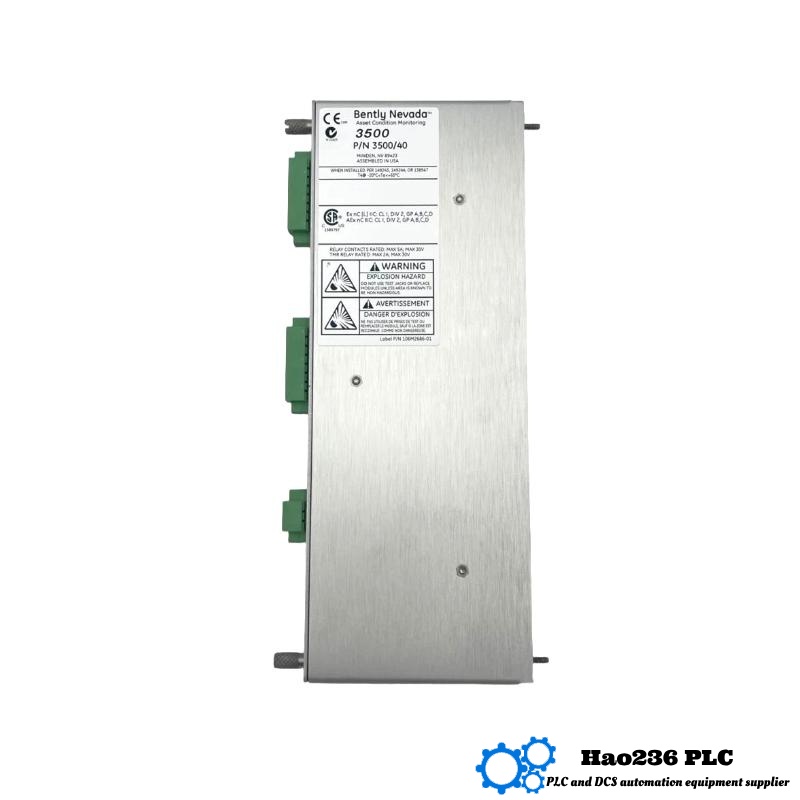
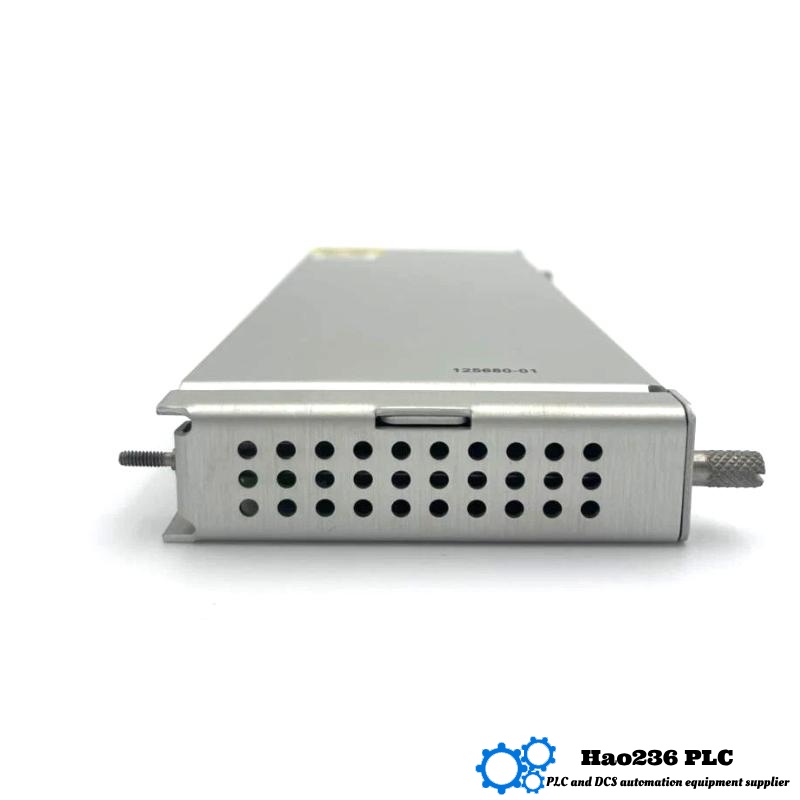
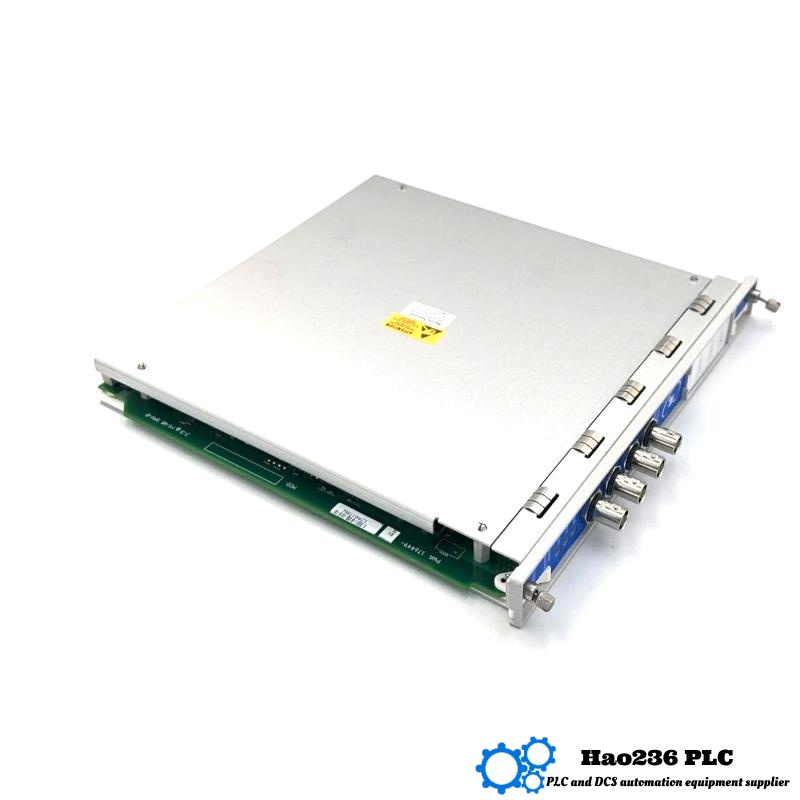
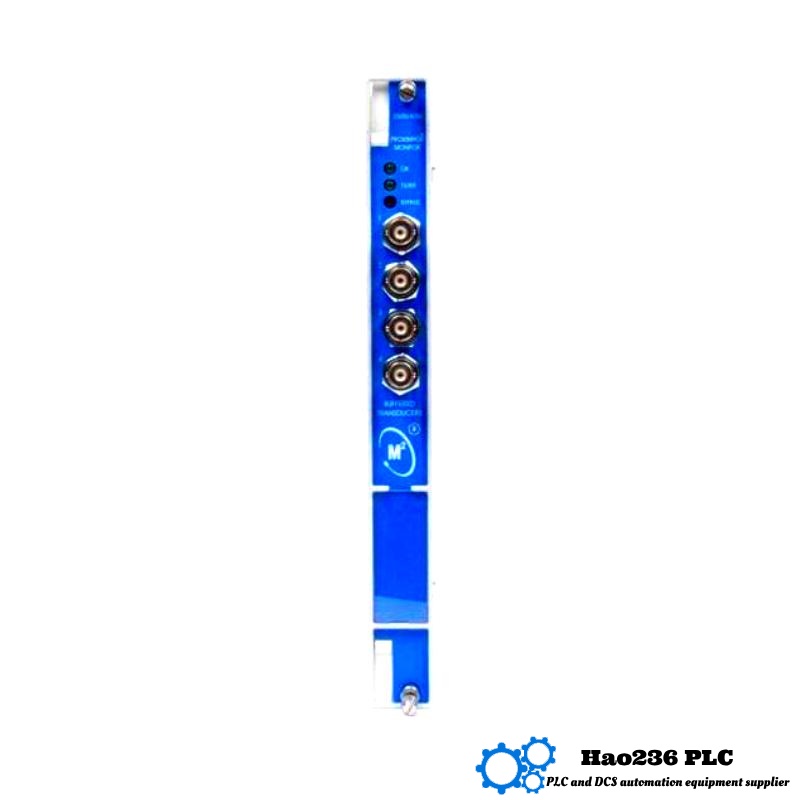
Q1: What is the purpose of combining two model numbers (176449‑01 + 125680‑01)?
A1: It denotes the base module (176449‑01) plus an extension or option board (125680‑01) that adds enhanced I/O or communications capabilities.
Q2: Can this unit operate on 24 V DC only, or is 48 V supported?
A2: It is rated for 24 V DC nominal; 48 V is not supported and may damage internal circuitry unless explicitly ordered with a converter module.
Q3: How are firmware updates handled?
A3: Updates are applied via the RS‑485 port using a manufacturer‑provided firmware utility. The device must be taken offline and rebooted to complete the operation.
Q4: What self‑tests are included?
A4: The unit tests analog input ranges, relay activation logic, internal power health, memory integrity, and communication port function on every startup and periodically in‑service.
Q5: Is there a backup power or battery?
A5: No internal battery backup is included. If external power is lost, the device resets; for critical systems, external UPS or dual supply options are advised.
Q6: Can it log data onboard?
A6: It does not include onboard logging. Real‑time data must be captured by a connected PCM/SCADA or condition monitoring system.
Q7: How do I configure the analog output scaling?
A7: Scaling (e.g. 4–20 mA calibration) is set via a configuration tool over RS‑485; ranges and zero/span values can be tailored to sensor outputs.
Q8: What maintenance is recommended?
A8: Regular visual inspection of connectors, firmware updates, annual calibration of analog output, and functional test of relay contacts are recommended.
Q9: Is diagnostic firmware proprietary? Can I write my own?
A9: Diagnostic firmware is proprietary to the brand. Custom firmware is not supported and may void warranty or impair safety.
Q10: What happens when a critical fault occurs?
A10: The device opens relay circuits, drives fault LEDs, and reports the fault code via RS‑485. Analog outputs default to a safe output (e.g. 20 mA) or zero, depending on configuration.
Related Products
Copyright @ 2026 Automations
XML|Links:
No:77501