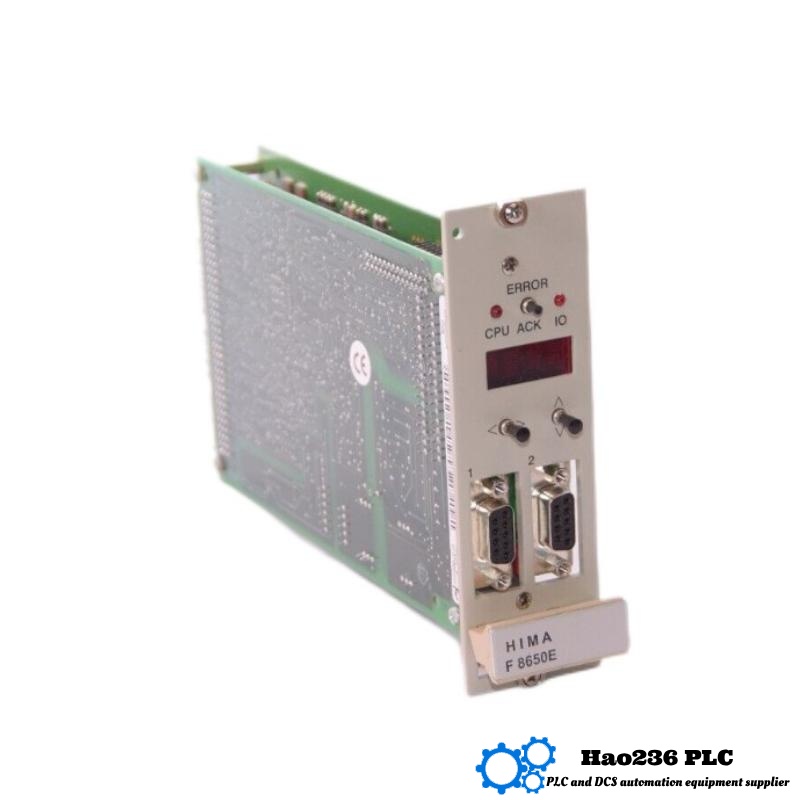
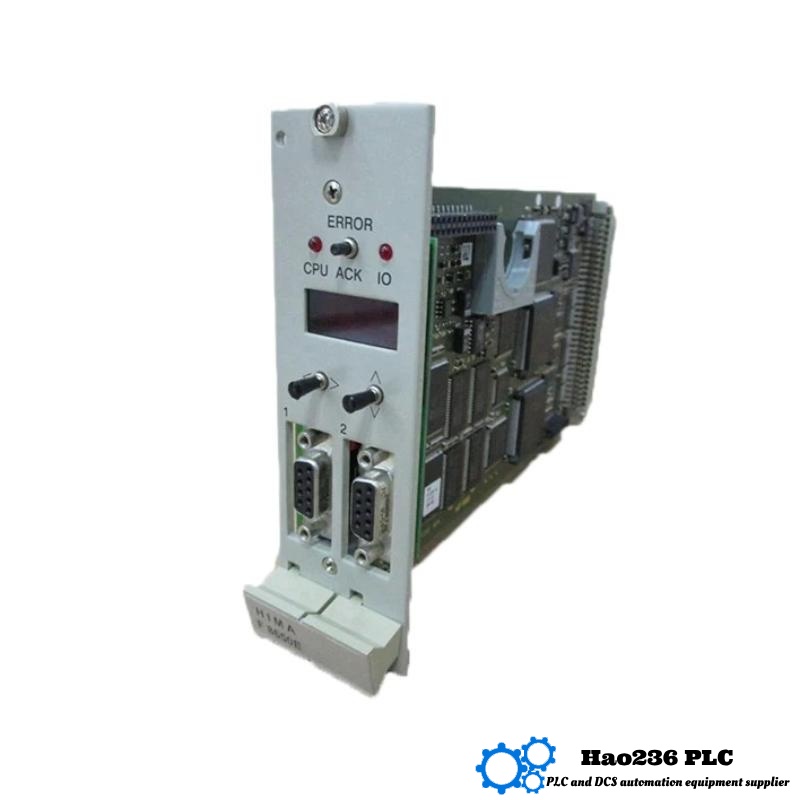
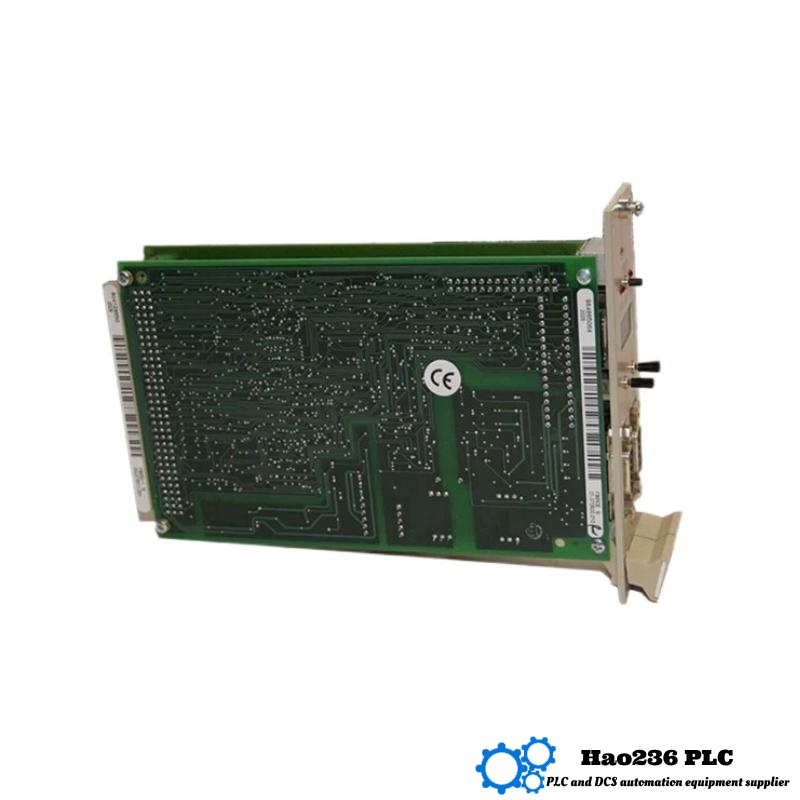
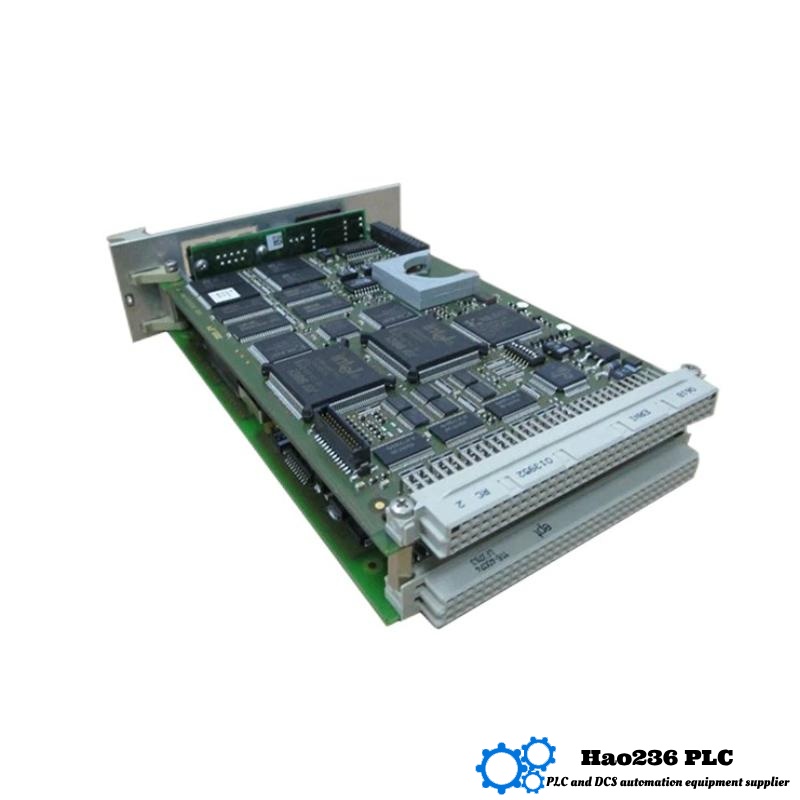
FAQ (10 Questions & Answers)
Q1: What is the voltage requirement of the F8650E?
A1: The module operates on 24 V DC.
Q2: What safety level does it meet?
A2: It is certified to SIL 3 according to functional safety standards (e.g. IEC 61508 / IEC 61511).
Q3: What are its temperature and humidity operating ranges?
A3: Typically ‑20°C to +60°C, with storage up to ‑40°C to +85°C; humidity 5% to 95% non‑condensing.
Q4: What is the size and weight of the module?
A4: About 41 × 187 × 128 mm (≈ 4.1 × 18.7 × 12.8 cm); weight around 0.34 kg (some versions ~0.5 kg, depending on configuration).
Q5: What memory capacities does it have?
A5: Approximately 1 MB Flash‑EPROM for operating system, 512 KB Flash for user programs, and a ~256 KB SRAM for runtime data (varies by vendor version).
Q6: How many I/O channels can it support?
A6: Up to ~16 digital inputs and ~16 digital outputs in some configurations; digital only or mixed, depending on configuration.
Q7: What communication interfaces are supported?
A7: RS‑485 (isolated), Ethernet, Profibus, Modbus, depending on configuration.
Q8: Does it support redundancy or fail‑safe features?
A8: Yes. Dual processors, redundant communication paths, diagnostics—all designed for fault tolerance; module works in redundant/parallel safety architectures.
Q9: Is the module hot‑swappable?
A9: In many redundant system setups, the central module can be replaced without full system shutdown (hot‑swap).
Q10: What protection rating does it have (ingress / enclosure)?
A10: Standard versions IP20; some vendor versions claim higher IP ratings (IP52 / IP61) with specific enclosures.
Related Products
Copyright @ 2026 Automations
XML|Links:
No:77501