6. FAQ (10 Questions & Answers)
Here are ten likely questions (Q) with answers (A) about HIMA F7133.
Q1: What is the maximum fuse rating per channel on F7133?
A1: Each channel is protected by a 4 A slow‑blow fuse.
Q2: How many output channels does it provide?
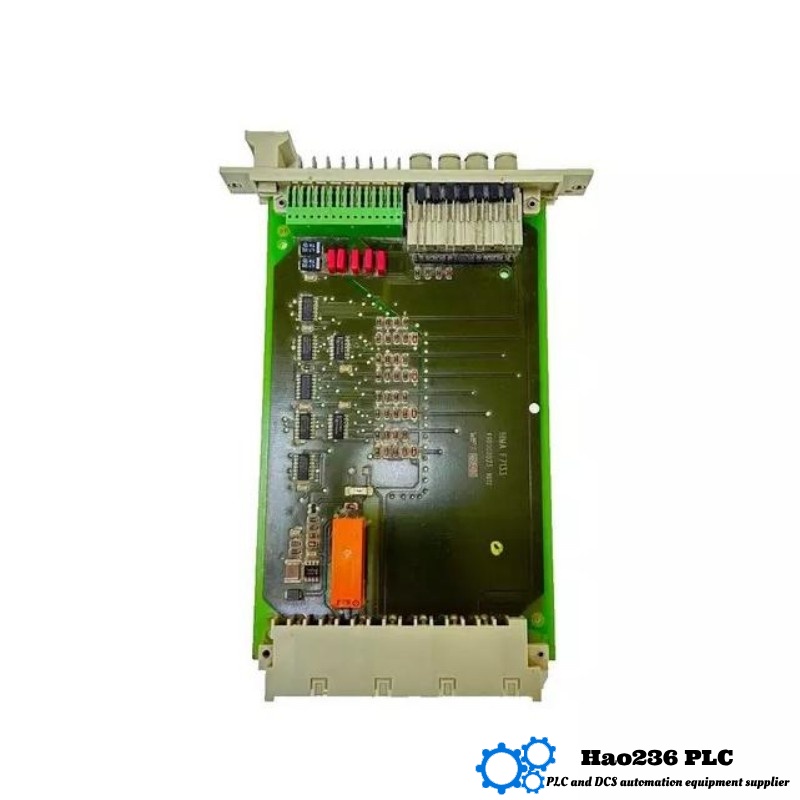
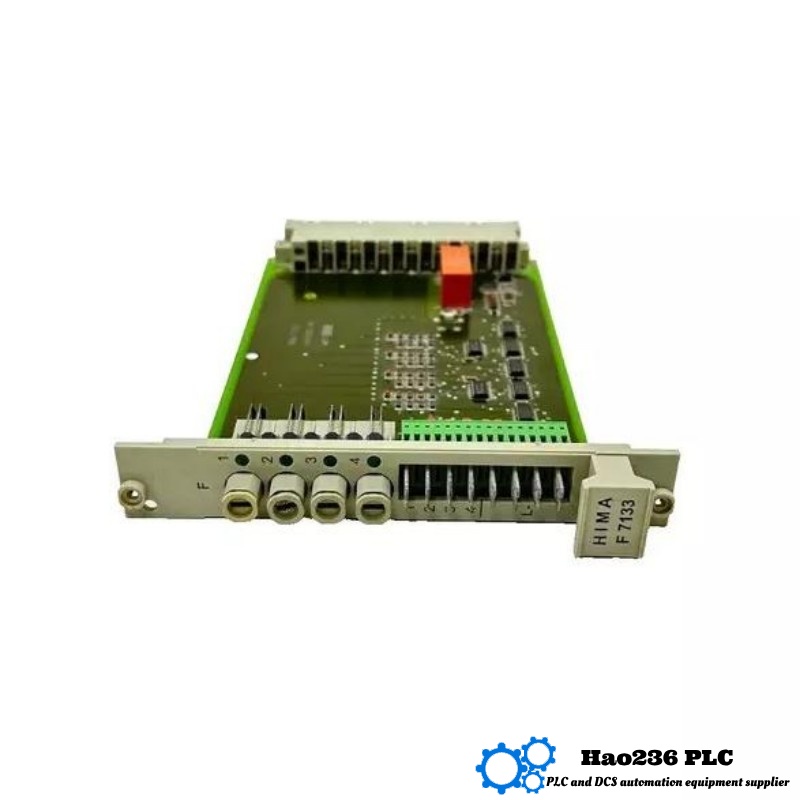
A2: It has 4 independent output channels, each of which is fuse‑protected.
Q3: What is the input voltage required?
A3: The module is designed for 24 V DC supply (with ±15 % tolerance).
Q4: What is the no‑load current consumption of the module?
A4: About 60 mA when the module has its supply but no external load.
Q5: What is the weight and physical size?
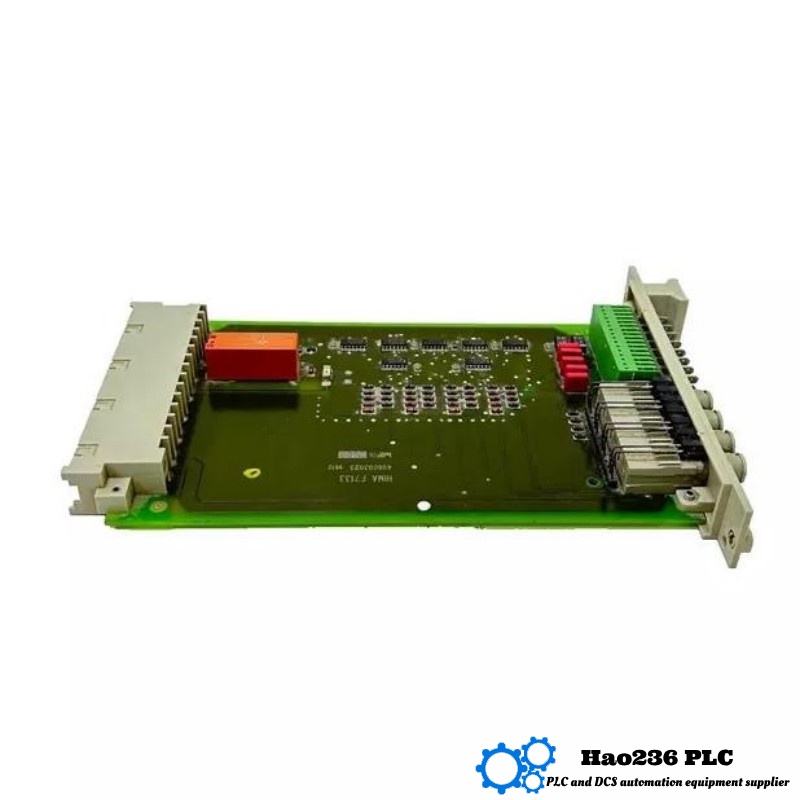
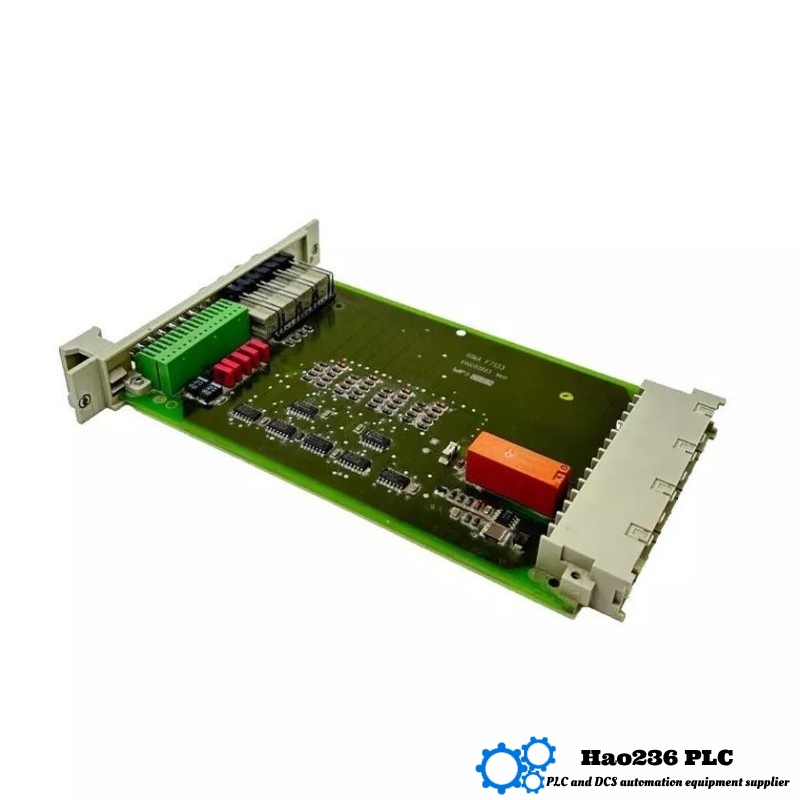
A5: Approximately 0.25 kg, with dimensions around 125 mm × 25 mm × 203 mm (or in metric ≈ 12.7 cm × 20.3 cm × 2.5 cm thick for width).
Q6: What happens if a fuse blows or is missing?
A6: The LED for that channel will indicate fault / missing fuse; the residual voltage for that channel is 0 V; residual current is 0 mA. Other channels remain operational.
Q7: Is there residual output if the main supply is missing?
A7: Yes, in that case the module may show up to ≈ 3 V residual voltage and < 1 mA residual current.
Q8: What environmental conditions (temperature / humidity) can it handle?
A8: Designed for −25 °C to +60 °C operation, and 5 % to 95 % relative humidity, non‑condensing.
Q9: Is F7133 compatible with redundant I/O bus systems or safety PLCs?
A9: Yes. It supports HIMA PLC architectures (such as H51X, H51Q) and is compatible with redundant I/O bus setups.
Q10: What kind of diagnostic or status feedback does it provide?
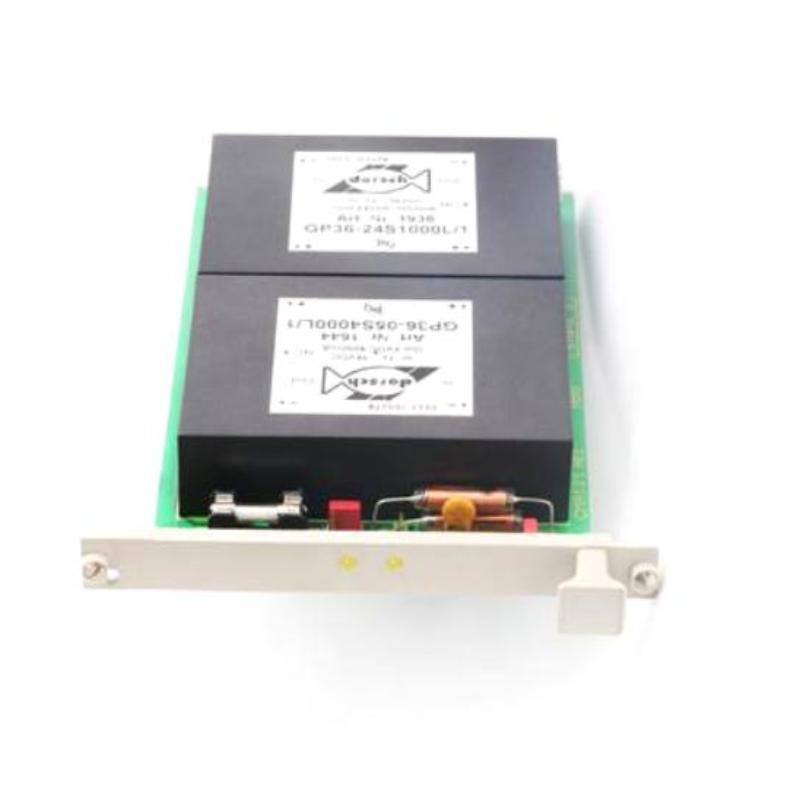
A10: It has LED indicators per channel for fuse status (normal / fault / missing); no‑load or blown‑fuse situations lead to visible indication; the module monitors residual voltage/current and provides channel status via the LEDs.
Related Products
Copyright @ 2026 Automations
XML|Links:
No:77501