❓ Frequently Asked Questions (FAQ)
Here are 10 Q&A style entries for IS200UPDCG1A:
Q1: What is the purpose of IS200UPDCG1A?
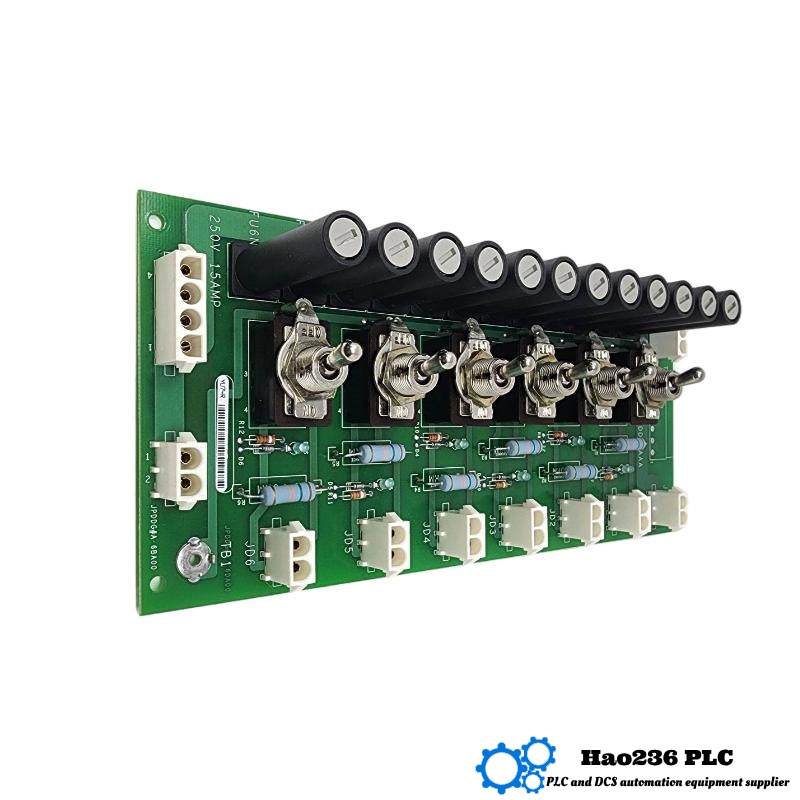
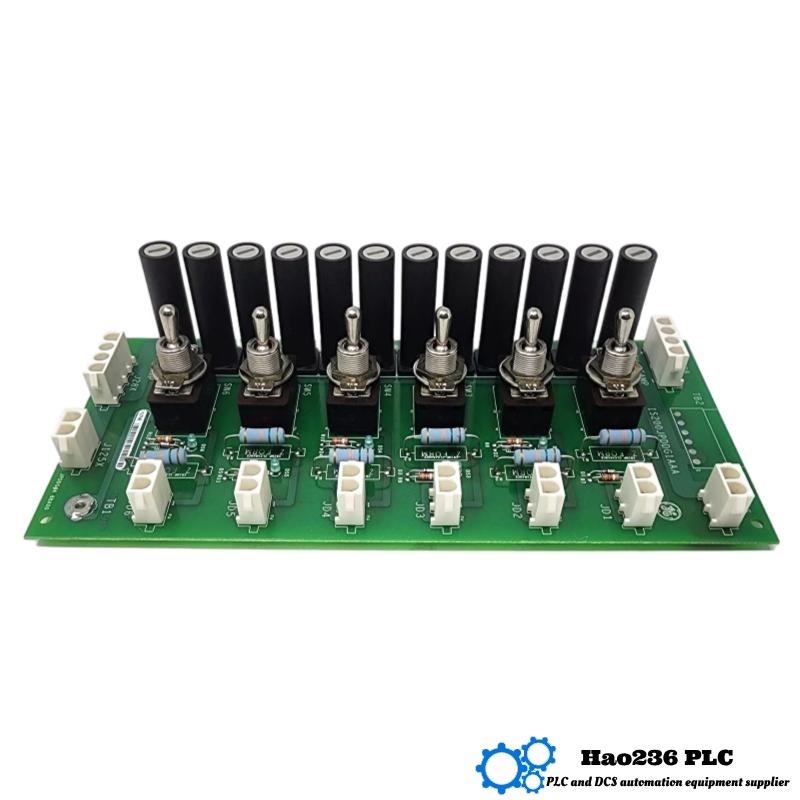
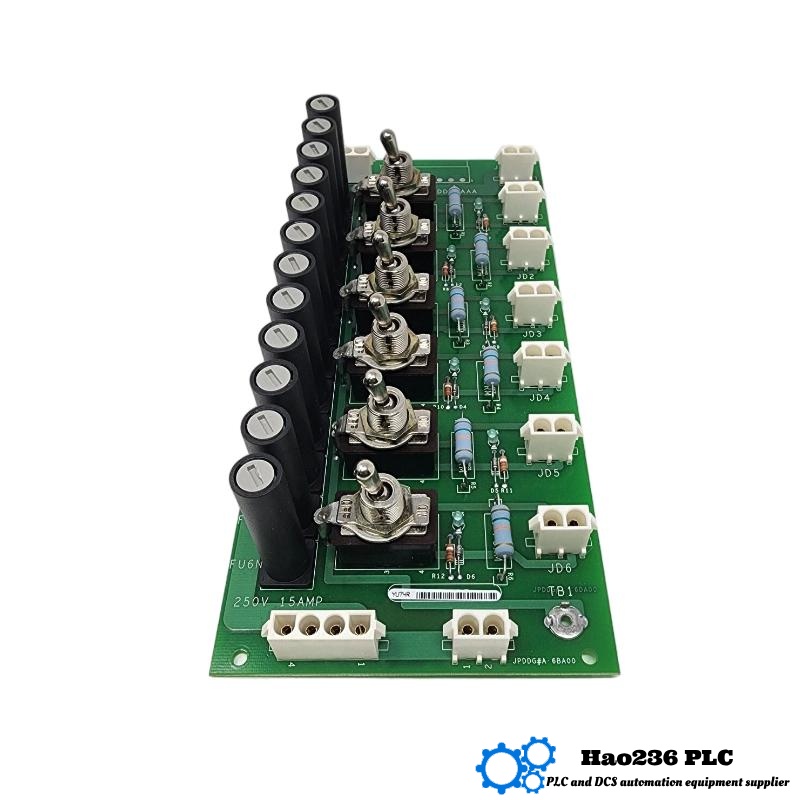
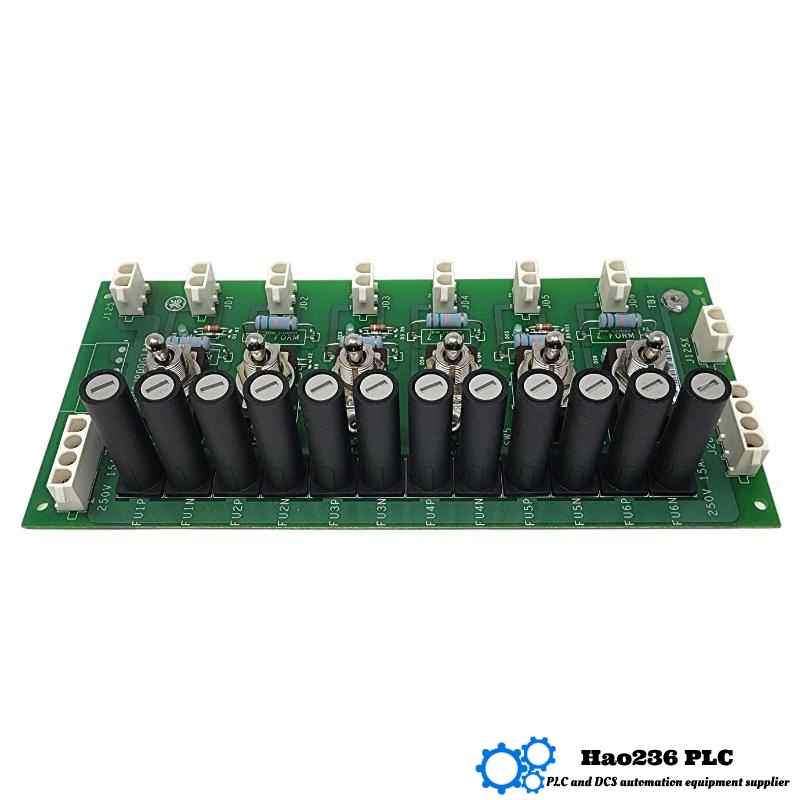
A1: It acts as a power distribution module, delivering regulated DC power (e.g. 24 V) to internal modules within a control rack.
Q2: What input voltage does it accept?
A2: Typically it accepts 24 V DC (or the internal DC bus standard used within the control rack).
Q3: How many output channels can it support?
A3: The exact number depends on board design; it usually powers multiple downstream modules or I/O packs.
Q4: What protection mechanisms are built in?
A4: It includes overcurrent protection, fuses, fault detection, and isolation to prevent downstream damage.
Q5: What are its dimensions and weight?
A5: Approximate dimensions: 210 mm × 202 mm × 26 mm, weight around 0.40 kg.
Q6: What temperature range can it operate in?
A6: Typically from about –20 °C to +70 °C, appropriate for industrial control environments.
Q7: Can it detect and report faults?
A7: Yes — it has diagnostic monitoring and LED fault indicators to alert operators to malfunctions.
Q8: Is it compatible with GE control racks?
A8: Yes, it’s designed to integrate with GE / Mark VI / IS200 systems and match rack connectors and bus standards.
Q9: Is it hot-swappable?
A9: Usually not. Because it’s part of the power backbone, removal or replacement typically requires system downtime.
Q10: Where is it commonly used?
A10: In turbine control systems, excitation control racks, power plants, and any industrial automation system where controlled DC power distribution is critical.
Related Products
Copyright @ 2026 Automations
XML|Links:
No:77501