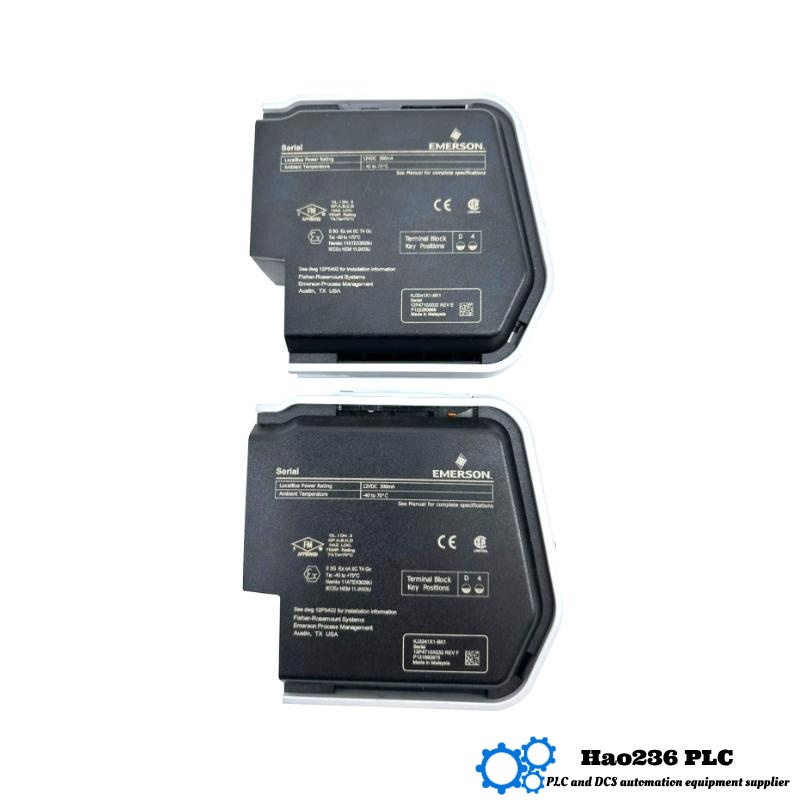
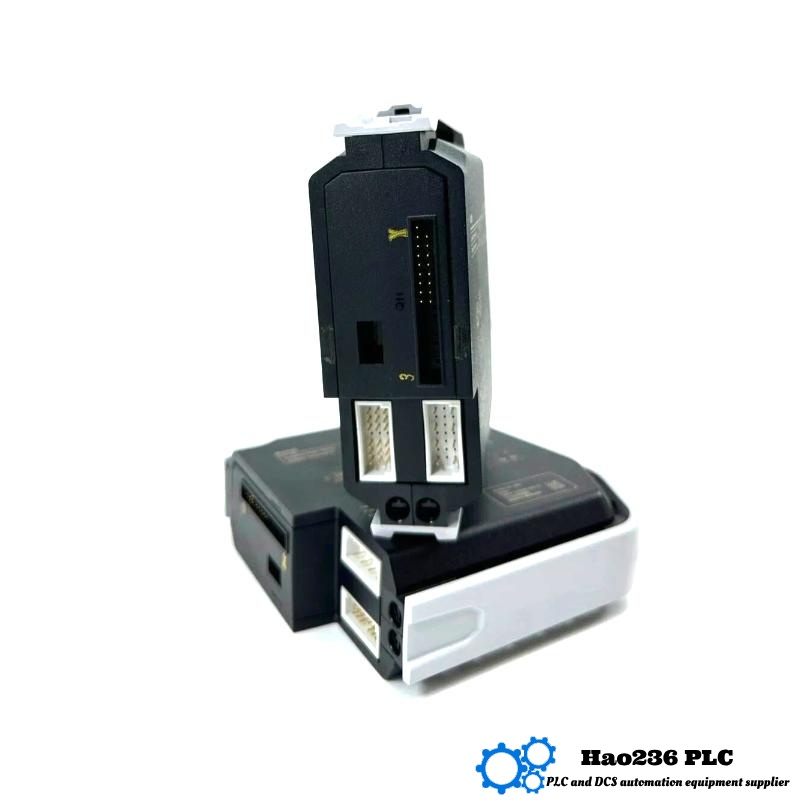
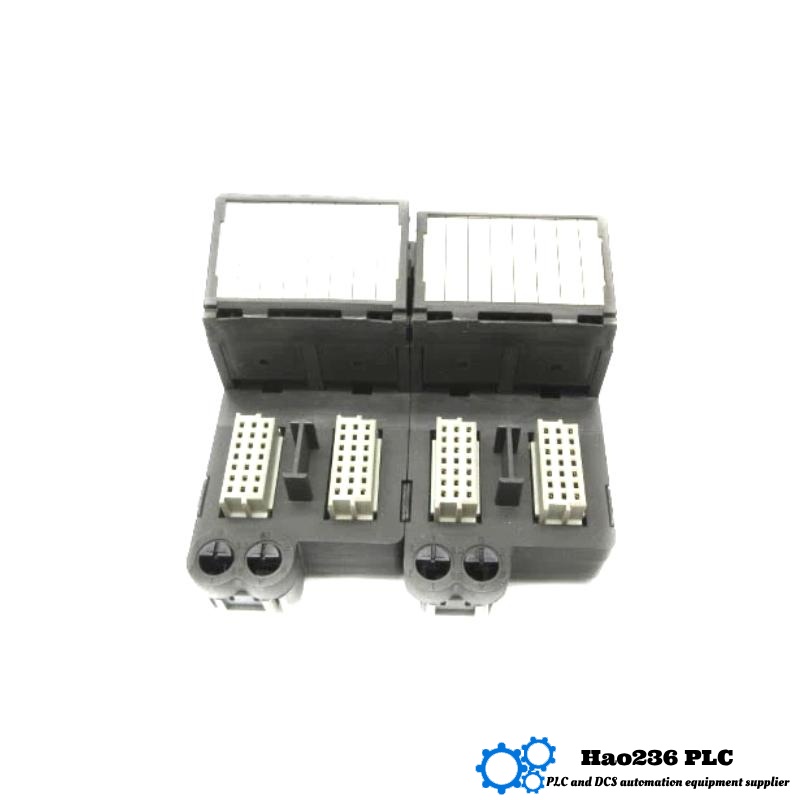
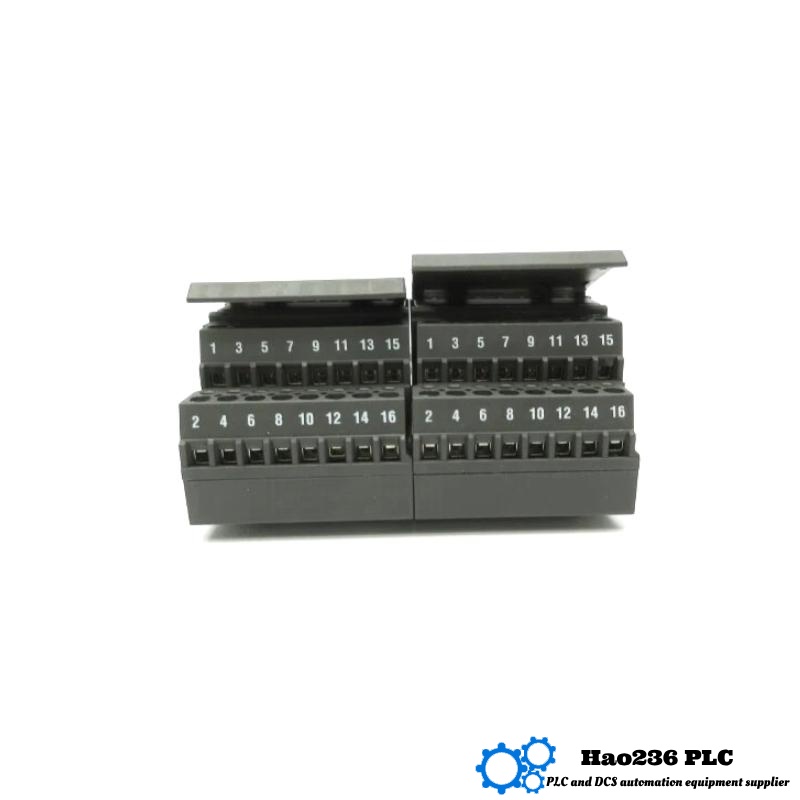
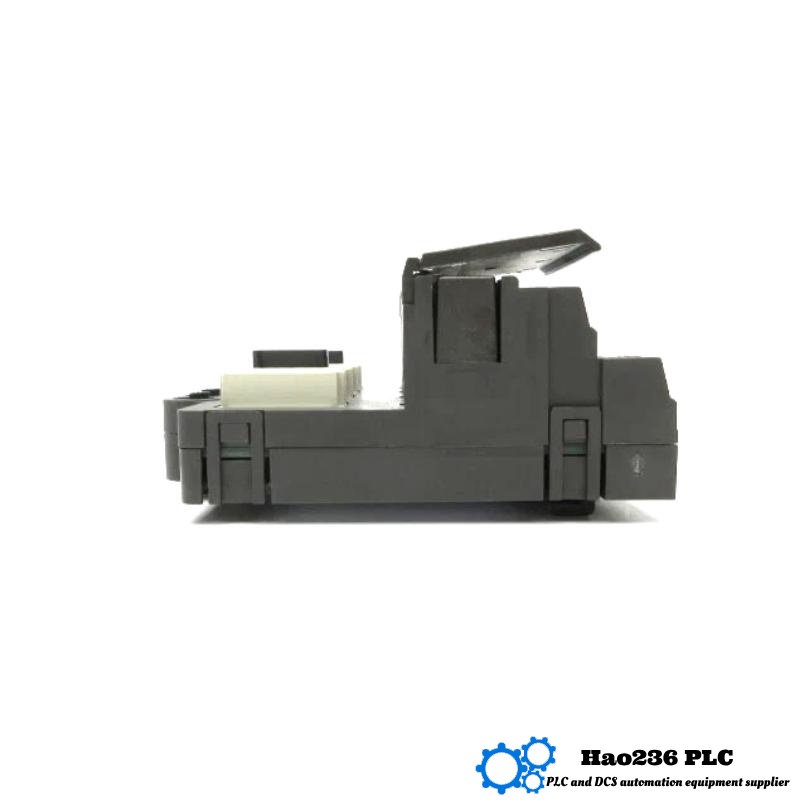
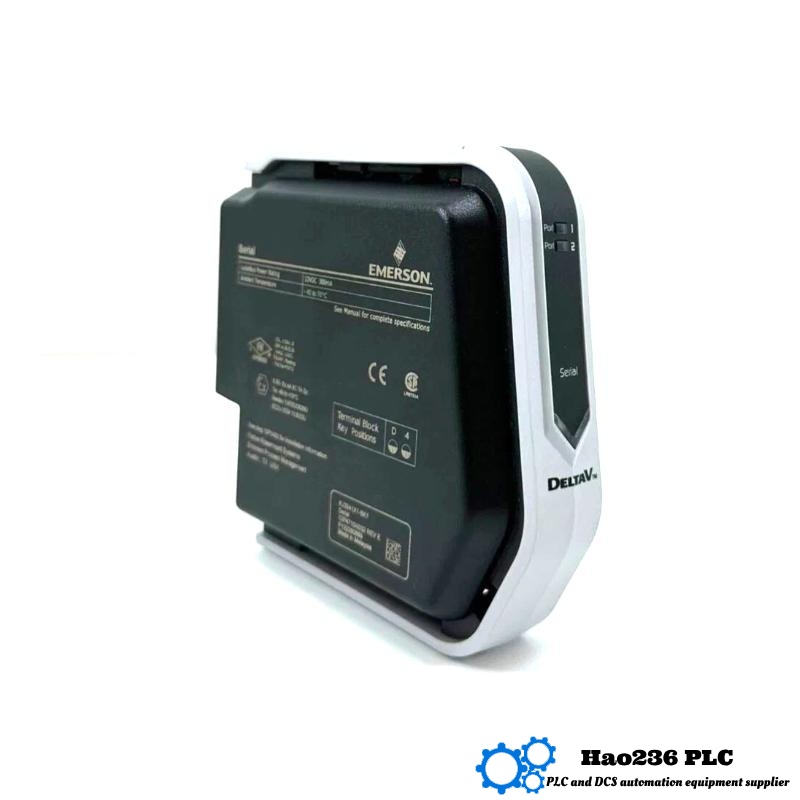
Frequently Asked Questions (10 QA) about VE4036P2
Q1: What serial protocols does VE4036P2 support?
A1: It supports RS‑232 and RS‑422/485 (half-duplex or full-duplex) for its serial ports, thus interoperating with many industrial devices.
Q2: How many serial ports are available?
A2: Each card has 2 serial ports, and as a redundant pair, the whole VE4036P2 provides two active ports (with standby) for high availability.
Q3: Does VE4036P2 support automatic switchover on failure?
A3: Yes. When the active card fails, the system automatically switches to the standby card without manual intervention, maintaining connectivity.
Q4: Are the serial ports electrically isolated?
A4: Yes — each port is individually isolated from the system bus and from other ports, protecting against noise or faults.
Q5: What is the supported baud rate range?
A5: It supports standard industrial baud rates from 300 up to 115,200 bps.
Q6: What is the operating temperature range?
A6: It operates reliably between –40 °C and +70 °C, suitable for harsh industrial environments.
Q7: What is the weight and size of this module?
A7: The module is approximately 0.45 kg and its dimensions are about 107 mm × 41 mm × 105 mm.
Q8: Can VE4036P2 be added while the system is running?
A8: Yes, similar to other DeltaV I/O, the VE4036P2 can be added online while the system is powered and in use.
Q9: What kind of devices can be connected through VE4036P2?
A9: It can interface with Modbus devices, legacy serial analyzers, serial PLCs, instrumentation with RS‑232 or RS‑422/485 ports.
Q10: What happens if communication fails on the primary card?
A10: The module detects faults and switches to the backup (standby) card, maintaining continuous operation and alerting operators to a switchover event.
Related Products
Copyright @ 2026 Automations
XML|Links:
No:77501